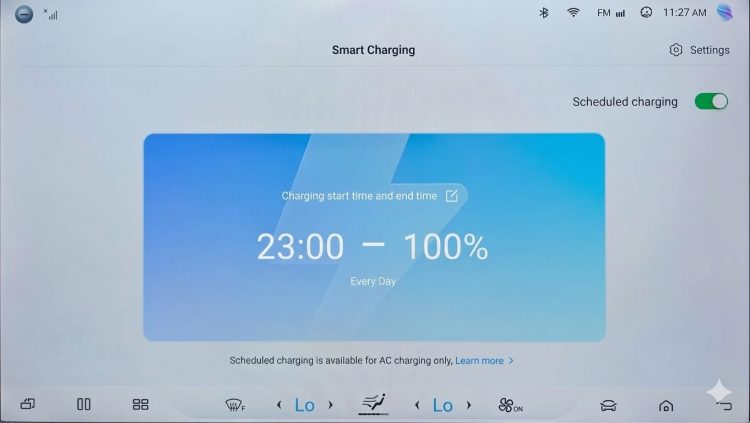

John Keells CG Auto (JKCG Auto), the exclusive authorized distributor for BYD and its luxury sub-brand DENZA in Sri Lanka, is advocating for the adoption of smart charging strategies among its customers, in line with the latest national recommendations on electricity consumption.
As uncertainties surrounding fuel supplies persist, there has been a notable increase in the demand for new energy vehicles (NEVs), prompting many Sri Lankans to seek alternative transportation options. The country’s historical challenges with power outages highlight the necessity of managing this transition with care. Recent hikes in electricity tariffs imposed by the Public Utilities Commission of Sri Lanka further underline the importance of responsible energy consumption. Therefore, ensuring that the rise in NEV adoption is accompanied by effective energy management and sufficient infrastructure is critical.
Charging an electric vehicle (EV) is significantly less expensive than traditional fuel costs, and given the lower maintenance demands, overall savings can be substantial. In light of the ongoing energy issues in Sri Lanka, JKCG Auto is urging its customers to take full advantage of the Smart Charging capabilities integrated into all BYD and DENZA models, which can help users optimize their savings while contributing to grid stability.
All customers of JKCG Auto are equipped with home EV chargers, available in 7kW and 2.5kW capacities. Coupled with smart scheduling systems, these chargers enable users to synchronize their charging habits with national energy demands, enhancing both efficiency and potential savings.
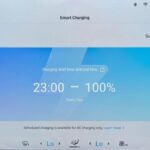
“We encourage our customers to fully utilize the smart features in their BYD and DENZA vehicles, such as scheduled charging, which allows users to program their vehicles to charge at specific times rather than immediately when plugged in,” stated Charith Panditharathne, CEO of JKCG Auto.
Panditharathne elaborated, “This way, even if a vehicle is plugged in overnight, it will only draw electricity during designated off-peak hours. This approach alleviates pressure on the grid while allowing customers to benefit from reduced energy costs. As the adoption of EVs increases, these minor yet significant measures, in conjunction with solutions like rooftop solar, can substantially enhance Sri Lanka’s energy resilience.”
Smart Charging practices align the timing of EV charging with periods of low demand or when renewable energy sources are more readily available, particularly for those equipped with solar installations.
Consequently, EV users are advised to refrain from charging during peak hours, defined as 6:30 PM to 10:30 PM, and instead charge their vehicles during off-peak hours from 10:30 PM to 5:30 AM. For those with solar power systems, charging can be optimally scheduled during the solar generation period, approximately from 8:00 AM to 4:00 PM.
| Period | Time Window | Recommendation | Reason |
|---|---|---|---|
| Peak | 6:30 PM – 10:30 PM | Strictly Avoid | Highest grid stress & highest cost. |
| Off-Peak | 10:30 PM – 5:30 AM | Encouraged | Lowest grid demand & lowest cost. |
| Solar Generation | 8:00 AM – 4:00 PM (approx.) | Ideal (if Solar) | Utilizes “free” or excess renewable energy. |
As the adoption of NEVs continues to rise and Sri Lanka’s energy requirements evolve, the expansion of the country’s charging infrastructure, including more workplace charging stations, becomes increasingly vital. Continued investment in renewable energy and energy storage solutions is equally important.
JKCG Auto has reiterated its dedication to facilitating this transition by expanding charging infrastructure and enhancing customer awareness initiatives, ensuring that the shift towards NEVs is practical, accessible, and in harmony with Sri Lanka’s changing energy landscape.
Financial Chronicle Biz English | Sri Lanka Business News.