
As the conflict that began with the abrupt assassination of Iran’s top leadership enters its second month, the recent downing of a U.S. fighter jet signifies a notable disadvantage for the United States. This week, the U.S. announced that it had successfully rescued the second crew member, just hours before the 48-hour deadline. Despite President Donald Trump’s aggressive rhetoric about unleashing “hell” on Iran, developments from the front lines indicate that Iran is countering with calculated responses.
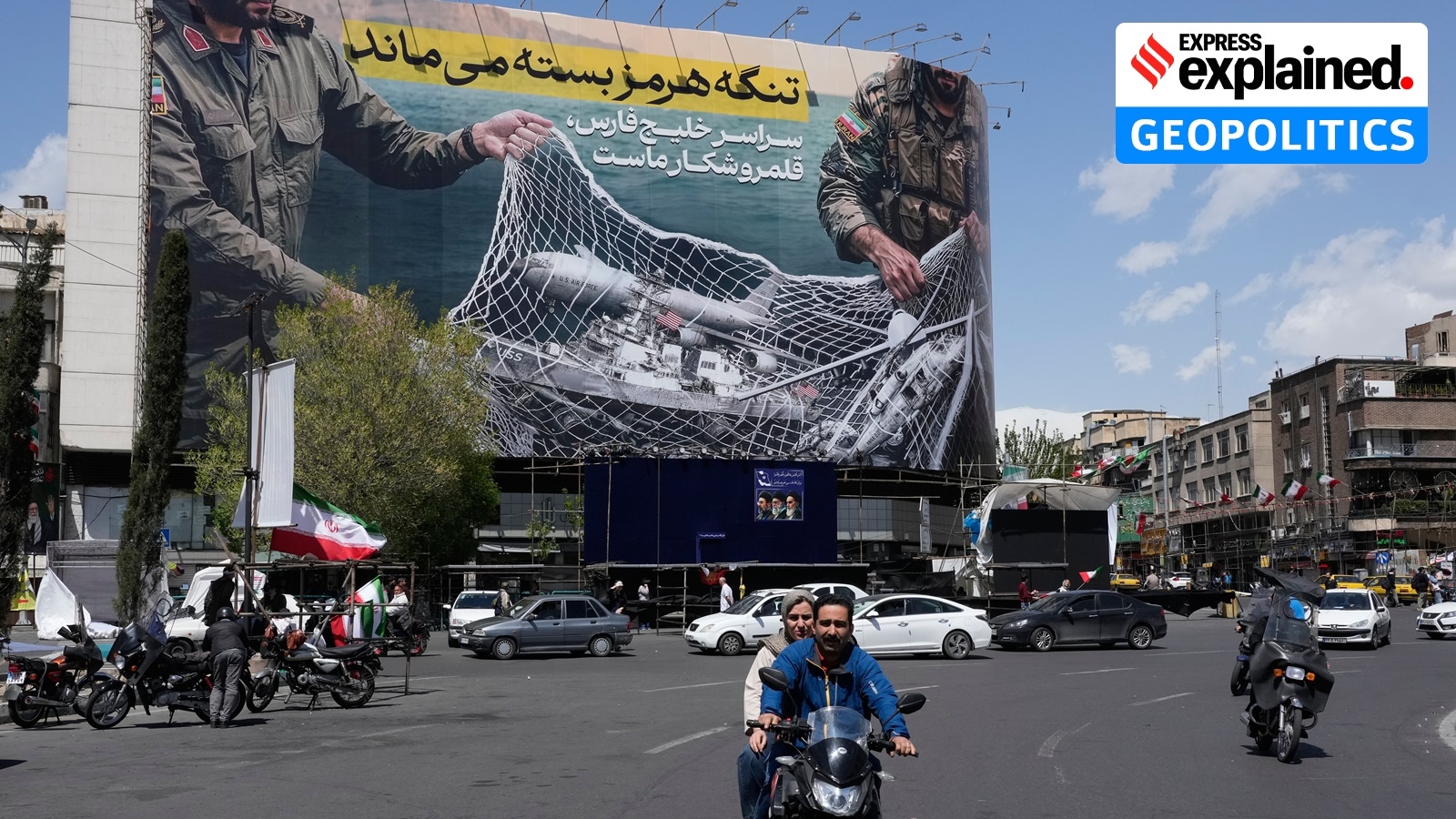
Iran appears to have gained leverage in the Strait of Hormuz, contradicting Trump’s assertions that the entirety of Iran’s military capabilities and air defenses have been neutralized. Additionally, Iran is reportedly generating double the revenue from oil compared to pre-war levels, attributed to soaring oil prices and a new toll imposed on vessels navigating the strait.
Interestingly, as the conflict progressed into its third week, the U.S. found itself compelled to temporarily lift long-standing sanctions on Iranian crude oil. This exemption was intended to facilitate the flow of Iranian oil into the international market, aiming to alleviate escalating crude prices. This decision followed another rollback, which granted a month-long waiver for sanctioned Russian crude already on tankers, showcasing a significant shift in U.S. policy.
With midterm elections approaching and gasoline prices surpassing $4 per gallon—a threshold causing concern in many U.S. states—President Trump faces growing political pressure. The current inflationary effects driven by high oil prices further complicate the administration’s situation.
As the conflict continues, Iran is resolutely maintaining its position, despite suffering significant losses among its leadership. The clerical-military regime remains intact, effectively holding regional Gulf states, all U.S. allies, in a state of uncertainty.
On the nuclear front, the U.S. finds itself entangled in a web of its own making. Following an aerial assault by U.S. forces and Israel last June, Trump had confidently declared the destruction of Iran’s nuclear capabilities. However, eight months later, his administration must concede that the Iranian nuclear program poses a pressing threat, necessitating action without Congressional approval.
The financial repercussions of the ongoing conflict are becoming increasingly evident, prompting the White House to seek an unprecedented increase in the U.S. defense budget to $1.5 trillion—potentially the largest expansion of military expenditures since World War II. This request is separate from the $200 billion earmarked by the Pentagon specifically for operations in Iran.
The diverging strategies of the U.S. and Israel are also becoming more apparent. While Israel’s military efforts are focused on dismantling the Islamic Republic, aligning its operations with that objective, the U.S. has altered its operational goals multiple times in recent weeks. American policy analyst Karim Sadjadpour described this shift as an “improvisational jazz session,” highlighting the lack of a consistent strategy.
Despite facing overwhelming odds, Iran’s military resistance appears to be strengthening, even as its urban centers and missile launch sites have been severely damaged. The nation’s oil revenues, which support its war effort, are also on the rise.
Currently, Iran is allowing some vessels to navigate through a narrow waterway near its coastline in exchange for a toll estimated at around $2 million, despite the U.S. seemingly ignoring the situation. This arrangement could persist even after hostilities cease. Given that approximately 50,000 tankers typically transit the Strait of Hormuz annually, this toll could yield Iran about $100 billion—over a quarter of its GDP from the previous year.
While the toll is considered illegal under international law, as the United Nations recognizes the Strait of Hormuz as an international passage, Iran may regard it as a necessary short-term revenue strategy amid the extensive rebuilding it will face post-conflict.
Moreover, Russia appears to be an unexpected beneficiary of the situation, as it experiences rising prices and demand for its energy products, with the U.S. inadvertently aiding the sale of Russian oil. Additionally, the diversion of U.S. and European attention from Ukraine has further benefited Russia.
China, too, may find itself in a favorable position as global dynamics shift amidst the ongoing conflict.