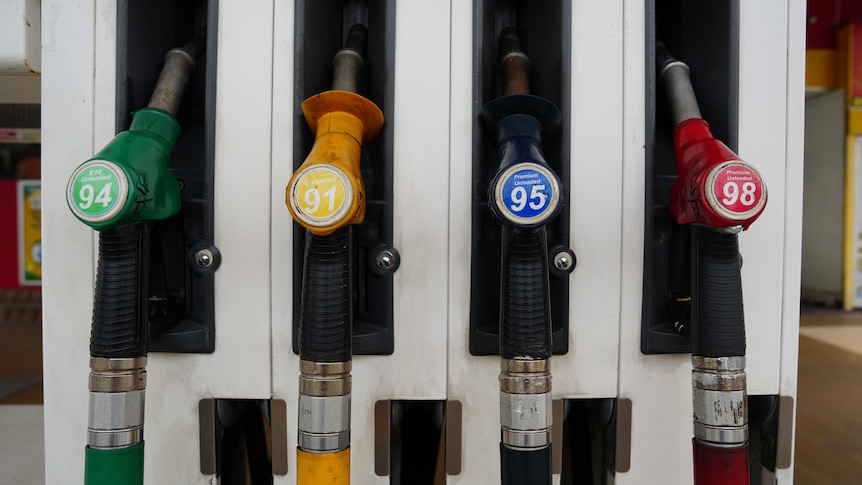

The government of Western Australia has announced an expansion of its FuelWatch program to encompass all regional fuel stations across the state. This initiative will require approximately 200 additional fuel retailers to disclose their fuel prices to the public, with substantial penalties imposed for non-compliance.
Set to take effect on May 1, the new regulations will extend the existing FuelWatch reporting requirements, which currently apply to all metropolitan retailers and 80% of regional outlets. Under the revised guidelines, all service stations will be obligated to report their fuel prices for the following day by 2 PM, maintaining these prices for a full 24-hour period.
The primary goal of the FuelWatch initiative is to shield consumers from daily fluctuations in fuel prices. By publishing the prices on the FuelWatch website, motorists can easily compare rates and make informed choices about where to refuel.
Retailers failing to adhere to these new regulations will face increased fines, with the penalty rising from $1,000 to $4,000. The government has indicated that further increases in penalties may be implemented if compliance remains an issue.
The ongoing geopolitical tensions in the Middle East and the resulting oil crisis have also underscored the importance of the FuelWatch program. Currently, retailers can voluntarily report if they are out of a specific type of fuel, but this will soon become mandatory.
In a statement, the government highlighted its commitment to enhancing the transparency of Western Australia’s fuel supply chain, with plans to implement compulsory reporting in line with the National Fuel Security Plan.
Premier Roger Cook emphasized that these reforms aim to improve the flow of information regarding fuel availability. He stated, “The changes we are announcing today will extend the FuelWatch system to all regional stations and ensure more effective communication through heightened penalties.” He added that future measures requiring retailers to indicate when they are running low on fuel will significantly benefit families, farmers, and businesses while aiding the government in identifying regions facing fuel shortages.