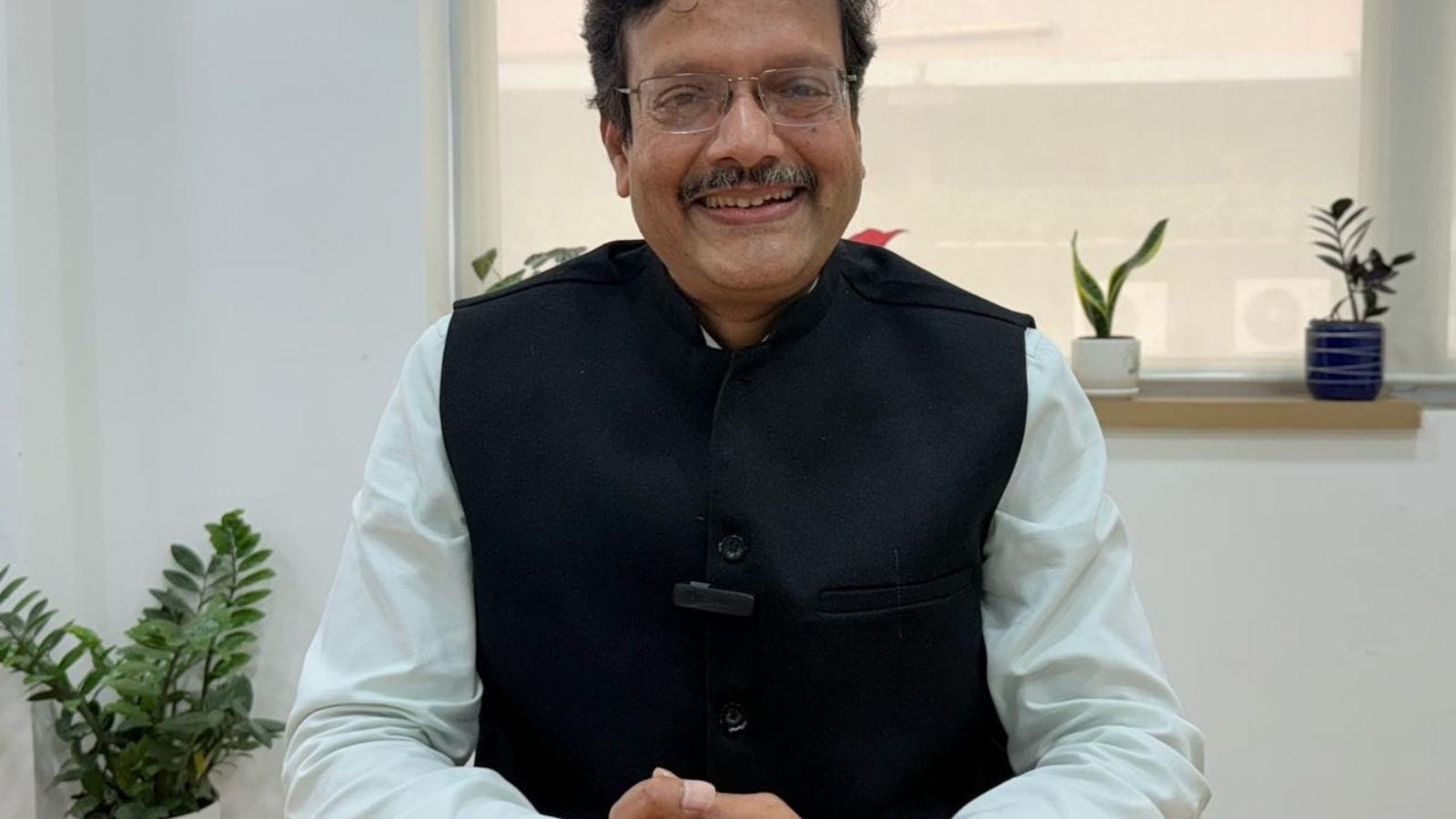

Maharashtra has recently been grappling with extreme weather conditions, ranging from intense heatwaves in March to heavy rainfall in the past week. In an exclusive discussion with The Indian Express, Abhijit Ghorpade, the director of the State Climate Action Cell within the Environment and Climate Change Department, delves into the unpredictable weather patterns, identifies 15 districts highly susceptible to heat, and outlines the state’s ambitious objective of achieving net-zero emissions ahead of the national deadline.
During March, Mumbai experienced four distinct heatwave incidents. The India Meteorological Department (IMD) has predicted a higher-than-usual number of heatwave days this summer across various regions in India. In response to the rising temperatures, Ghorpade shared insights on how the state’s climate cell plans to tackle these heatwaves.
According to Ghorpade, data indicates that the frequency of hot and extreme days has doubled over the past five decades, with both daytime and nighttime temperatures rising. To address these issues, the climate cell has integrated a cooling action strategy into its climate change framework, aiming to enhance thermal comfort for residents in major urban areas, particularly within affordable housing sectors managed by the Slum Rehabilitation Authority (SRA) and the Maharashtra Housing and Area Development Authority (MHADA).
The state is actively pursuing the implementation of sustainable construction practices by proposing guidelines to the Urban Development department. The goal is to amend the Unified Development Control and Promotion Regulations (UDCPR) and building codes to encourage the use of eco-friendly materials and promote greener buildings.
Ghorpade’s research has identified 15 districts in Maharashtra that are particularly vulnerable to heatwave impacts—11 located in Vidarbha, two in Marathwada, and two in Khandesh. Efforts are concentrated in these regions, where 12 districts already have established action plans, while plans for the remaining three are in development. In Amravati, Vidarbha, a cool roof policy has been successfully integrated into local municipal regulations.
Recently, the state endured severe thunderstorms and unprecedented rainfall, affecting nearly 29 districts and leading to significant agricultural losses. Ghorpade shared his observations regarding these extreme rain events.
Analysis from the State Climate Action Plan reveals that Maharashtra is highly susceptible to severe flooding, with over 30 percent of its districts vulnerable. The past decade has seen a four-fold increase in flood occurrences, with extreme rainfall now manifesting in intense short bursts, at times exceeding 100 mm within a single day.
Unseasonal rains, such as those experienced in Pune, have resulted in flash floods. Urban areas like Mumbai are particularly at risk due to the encroachment of natural water bodies. The city’s geographical positioning, situated on a narrow coastal plain between the Arabian Sea and the Western Ghats, exacerbates its vulnerability to climate change.
In light of the increased flood risks, the state has recommended basin-level flood mapping, the establishment of flood monitoring stations, and the implementation of multi-hazard early warning systems as adaptive measures across all talukas.
Last week, the central government approved an updated Nationally Determined Contribution (NDC), which aims to cut emissions by 47 percent from 2005 levels by 2035. Ghorpade provided his perspective on this initiative.
While the national target for net-zero emissions is set for 2070, Ghorpade emphasizes that Maharashtra, as a leading contributor to the national GDP, should aim higher. Consequently, the state has set an aspirational goal to achieve net-zero emissions by 2050.
All cities under the Atal Mission for Rejuvenation and Urban Transformation (AMRUT), encompassing both urban and rural areas, are committed to this objective. Ghorpade stresses the urgency of tackling climate change, underscoring the need for rapid progress toward sustainable goals.
The NDC also highlights the importance of creating carbon sinks through extensive afforestation. However, in urban centers like Mumbai, infrastructure development often threatens existing green spaces. Ghorpade addressed how the administration can strike a balance between development and environmental conservation.
He noted that green cover, open spaces, and water bodies serve as crucial carbon sinks. Yet, the pressure from urbanization and population density presents significant challenges. To combat these issues, the state is exploring innovative planting techniques, such as the Miyawaki method and the use of bamboo. The government has also introduced a bamboo policy to promote its use in construction.
Nayonika Bose, a Senior Correspondent with The Indian Express’ Mumbai bureau, has garnered recognition for her focused reporting on local governance and community welfare, reflecting a strong commitment to addressing critical civic issues affecting Mumbai’s residents.