
Easter serves as a poignant reminder of the execution of Jesus Christ, which was an effort to suppress a rebellion against Roman authority in Judea. This historical event parallels the recent execution of Iran’s supreme leader, Ayatollah Khamenei, on February 28, an act intended to dismantle Iran’s opposition to American influence. However, just as the execution of Jesus did not extinguish rebellion, Khamenei’s death has not quelled Iran’s defiance.
Jesus embodied a message of peace, advocating for non-violence. Nevertheless, following his death, the leadership in Judea shifted to more aggressive figures, escalating tensions with the Romans. Ultimately, this resulted in a massive military response, with 48,000 Roman soldiers dispatched to Judea in AD 70, culminating in the destruction of Jerusalem and the slaughter of its citizens.
In contemporary times, Iran has resisted American dominance for nearly five decades, and the targeted killing of Khamenei was explicitly aimed at crippling this resistance, a sentiment echoed by former President Trump. However, the emergence of Mojtaba Khamenei, Khamenei’s son, as the new supreme leader presents a significant change; he appears to be more confrontational and lacks the traditional clerical stature of an ayatollah. His reliance on the Revolutionary Guard for power indicates a shift towards greater military influence within Iran’s governance, suggesting that Trump’s actions may have inadvertently facilitated a stronger military-led regime.
The international community’s hopes for a swift resolution to the conflict were dashed following Trump’s recent address, where he declared intentions to escalate military actions over the coming weeks without outlining any diplomatic pathways to peace. Despite claiming ongoing discussions, evidence suggests that Iran is not in a hurry to negotiate and may be better equipped than anticipated to endure prolonged conflict.
Iran’s strategy appears to include leveraging its control over the Strait of Hormuz and engaging in a decentralized economic war effort, which has proven resilient. While the nation is undoubtedly facing hardships, it seems to possess the time and endurance to sustain its resistance.
Trump has asserted that Iran is no longer a significant threat, yet this assertion seems overly optimistic. He has also stated that the U.S. does not seek regime change in Iran; however, this raises questions about the rationale behind the attack. If the existing regime remains intact, the potential for a return to previous behaviors looms large.
The initial attack on February 28 was framed as an opportunity for the Iranian populace to seize control, but history suggests that achieving regime change requires more than remote military strikes; without a ground presence, such actions often unify populations against external threats.
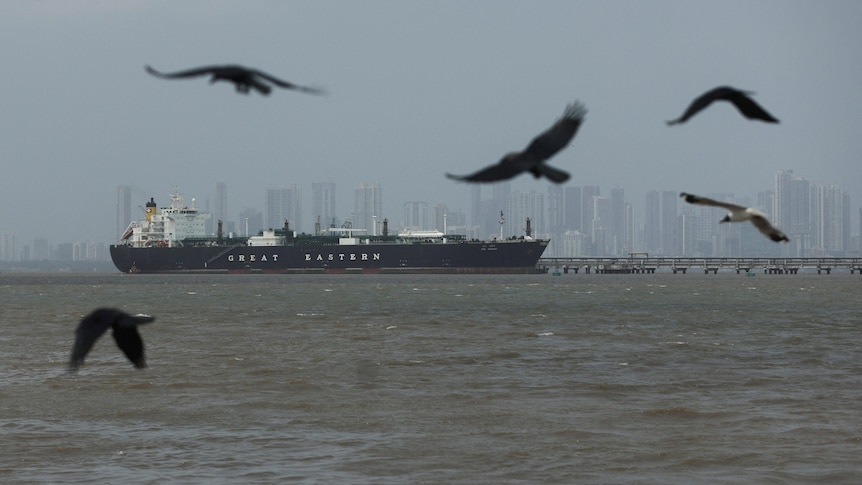
In terms of global trade, the crucial question remains when and how the Strait of Hormuz will reopen. Iran has not only solidified its control over this strategic route but is also implementing charges for passage, effectively establishing a maritime toll system. The Islamic Revolutionary Guard Corps is now demanding fees from vessels from “friendly nations,” marking a significant shift in maritime operations.
Shipping experts have noted that at least one vessel has paid $2 million for safe transit, although many others are opting to avoid the strait altogether. In late March, only 24 ships made the journey compared to over 600 in late February. Some shipping companies are willing to pay the toll, which includes container ships, bulk carriers, and oil tankers.
Trump has distanced the U.S. from the situation, asserting that the country imports little oil through the Hormuz Strait and that nations dependent on this passage should take responsibility for its security. This stance indicates a withdrawal from the U.S.’s traditional role as a protector of maritime commerce, leaving a void that no other countries appear ready to fill.
Should the $2 million fee become commonplace and be applied to all vessels entering and exiting the Gulf, it could lead to significant increases in oil prices, potentially adding $5 per barrel for Gulf oil transported through Hormuz. Analysts suggest that this could generate an additional $50 billion annually for the IRGC while doubling its oil revenue.
If Iran successfully disregards the United Nations Convention on the Law of the Sea by imposing these transit fees, it could set a troubling precedent for other nations and factions, possibly leading to similar tolls in other critical maritime routes worldwide.