
Numerous independent enterprises throughout the United Kingdom are preparing for a significant increase in their energy expenses, which are anticipated to more than double due to the surge in heating oil prices, primarily caused by the ongoing conflict in Iran. This situation has led to unprecedented highs in fuel market prices across Europe.
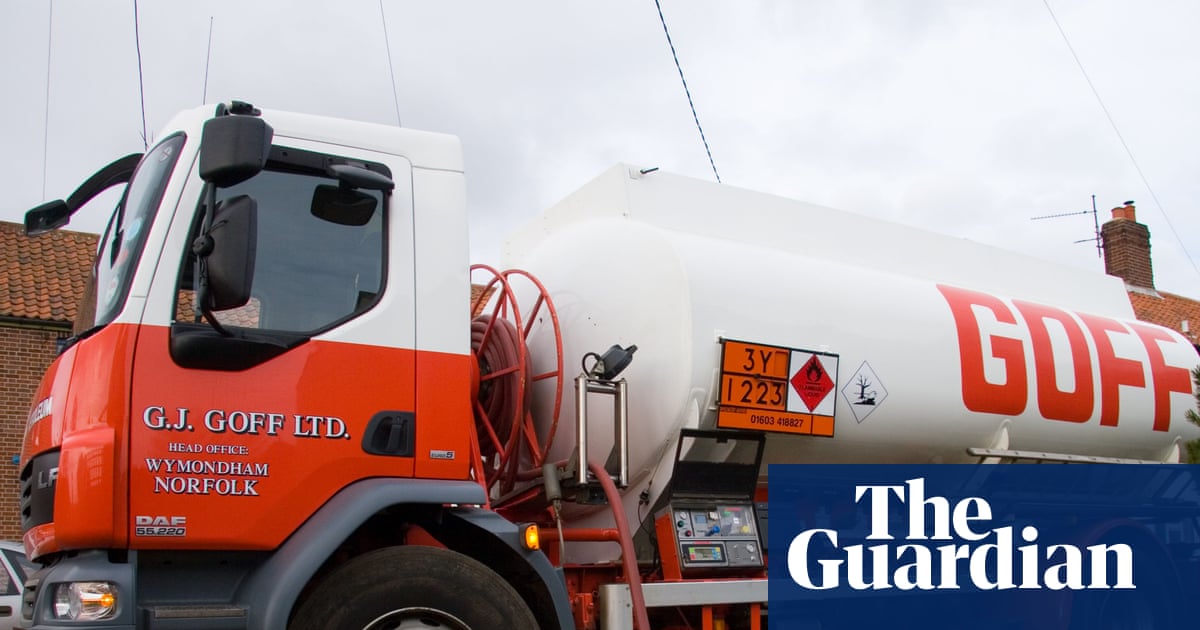
Approximately 7% of small and medium-sized enterprises (SMEs) utilize heating oil to maintain warmth in their facilities and to provide hot water, with prices escalating dramatically in recent weeks. Rural businesses, which often lack access to natural gas pipelines, are particularly affected, as about 17% of these enterprises depend on heating oil, a kerosene variant tied to jet fuel pricing, as reported by the Federation of Small Businesses (FSB).
The FSB has received feedback from its members, many of whom have started to ration their fuel consumption in response to the steep price hikes observed lately. Anthony Jenkins, who operates a hotel and restaurant in North Yorkshire, shared that his heating oil supplier charged 54.9p per litre in January, but requested 129p by late March.
“Numerous rural businesses, including ours, rely heavily on heating oil, and the price surges have been remarkable. Our supplier was unable to provide a firm quote for over a week after we placed an order, only to inform us the day before delivery that costs had risen by 116% compared to pre-crisis levels,” Jenkins explained.
Jenkins indicated that they only ordered half of their usual amount and encouraged guests to lower their radiators instead of opening windows to help manage expenses. He noted that guests were understanding, as they too were facing increased fuel costs for their vehicles.
Looking forward, Jenkins expressed hopes of transitioning to solar heating for hot water as the days lengthen, aiming to reduce his annual heating oil expenditure of £3,000. “Fortunately, we secured our electricity contract shortly after the conflict began, but even then, options were rapidly vanishing from the market,” he remarked.
The FSB, which advocates for around 200,000 businesses and self-employed individuals, has urged the UK’s competition authority to incorporate the SME sector in its investigation into the heating oil market, given the global energy supply disruptions that have led to soaring prices in Europe’s diesel and jet fuel wholesale markets.
As reported by market intelligence firm Argus, prices for jet fuel and diesel in north-west Europe exceeded $1,900 (£1,434) and $1,600 per tonne respectively on Thursday, reaching new record levels as market players braced for potential escalations in the Middle Eastern conflict during the long Easter weekend.
The FSB is also vigilant for any signs that unscrupulous energy brokers might exploit the current market turmoil to coerce small businesses into unfavorable long-term contracts.
Tina McKenzie, the FSB’s policy chair, stated, “Thousands of small businesses rely on brokers to secure energy contracts, but we believe stricter regulations are necessary in this sector.”
Small businesses do not benefit from the government-imposed energy price cap or the consumer protections available to residential energy customers, despite being more similar to households than larger corporations, McKenzie added.
“Business energy clients are anxious, and the rapidly changing situation creates an environment in which unscrupulous brokers can take advantage of their stress and lack of information,” she warned.
Although there are proposals to enhance protections for small businesses against rogue energy brokers, including increased oversight by the energy regulator Ofgem, these measures will only be implemented following the passage of new legislation.
An Ofgem spokesperson indicated that the regulator has communicated with non-domestic suppliers and brokers, reminding them to ensure fair treatment of their clients, prioritize transparent pricing, and deliver positive consumer outcomes.
“We recognize that the current market volatility, driven by the conflict in the Middle East, is concerning for businesses,” the spokesperson said. “We expect that businesses, particularly smaller ones, will receive adequate support as they navigate these challenging market conditions.”