
Retailers are witnessing a notable rise in e-bike sales as commuters seek more affordable transportation options due to escalating fuel prices.
One local bike shop has reported an increase in sales from just four e-bikes per week to nearly 30 in a span of ten days.
Industry experts predict that if fuel prices remain high, the surge in e-bike sales could mirror the unprecedented demand experienced during the COVID pandemic.
According to bike retailers, the rising fuel costs and supply chain issues stemming from the ongoing conflict in the Middle East are prompting commuters to explore more economical alternatives to driving.
Sam Hoskisson, a commuter based in Perth, shared that he had been contemplating the purchase of an e-bike for over a year. However, following a recent spike in diesel prices, he made the decision to switch modes of transportation.
“Each day, I noticed the price increase by 10 to 15 cents per liter,” he stated. “It left me anxious, uncertain about where the prices would settle.”
Hoskisson noted that his weekly fuel expenses for his four-wheel drive surged from $60 to $165, which solidified his decision to opt for an e-bike.
While there hasn’t been a significant change in traffic volumes on Perth’s busiest roads and bike paths, many retailers are reporting a rise in e-bike sales.
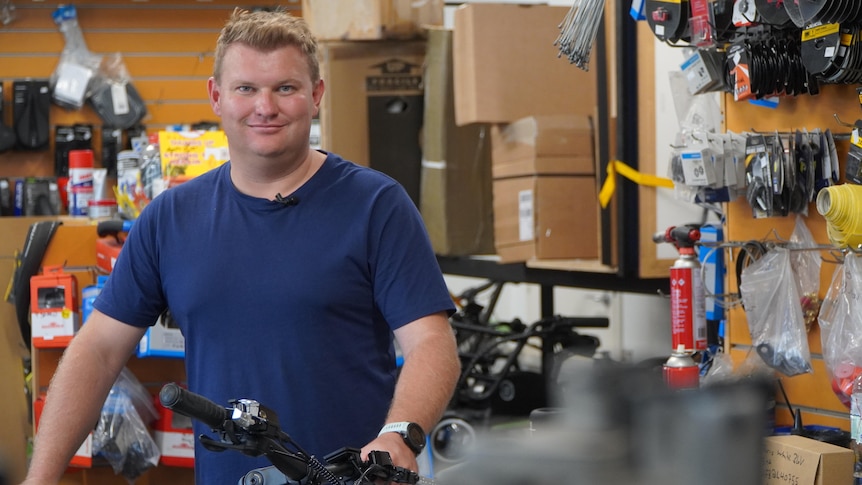
Dennis Lightfoot, owner of Glen Parker Cycles since 1991, noted that his store has seen a marked increase in activity following the rise in fuel prices. “We’ve transitioned from selling three or four e-bikes a week to nearly 30 in just the last ten days,” he remarked.
Lightfoot added that many customers cited fuel prices as a motivating factor in their decision to purchase an e-bike. “I believe the fuel costs have prompted some individuals who were already considering the switch, as well as those who hadn’t previously thought about it,” he explained.
If the current fuel challenges persist, Lightfoot anticipates a sales increase reminiscent of the COVID pandemic’s effect on the e-bike market. “Given the current situation, I expect we will see waves of interest as more people recognize this trend is likely to continue,” he stated.
Greg Stoyles, owner of Mercer Cycles in Fremantle, echoed this sentiment, stating, “I think those who were on the verge of purchasing an e-bike have now made the commitment due to rising fuel costs.” He also mentioned an uptick in customers seeking repairs and upgrades for their existing bikes, indicating a shift towards cycling as a means of transportation.
Nationally, Bicycle Industries Australia has reported a significant increase in interest towards e-bikes. General Manager Peter Bourke noted that entry-level e-bikes, which typically range from $2,000 to $3,000, are gaining popularity. “Some may find that price steep,” he acknowledged, “but when you compare it to the expenses of car ownership—insurance, registration, and fuel—the savings can add up quickly.”
Looking ahead, Bourke emphasized the need for government investment in supportive infrastructure to sustain this movement beyond fluctuations in fuel prices. “While people are buying these bikes, we also require government support to develop safe and connected infrastructure that encourages this transition,” he said.
A representative from Transport for NSW affirmed that public and active transport options, such as cycling and walking, remain the most economical means of getting around. “Various global events are influencing trends across our networks, but we are observing some changes in behavior as a result,” they stated.
In Western Australia, Katerina Widerington-Oliver, who lives over 270 kilometers south of Perth in Katanning, shared that her e-bike purchase has alleviated her concerns about the challenges of regional living. “I wanted to be proactive in addressing rising fuel costs,” she said. “Buying the bike has provided me with a way to manage the current crisis and price increases. Now, I feel confident that I can reach the shops or travel 20 to 25 kilometers out of town to tend to my livestock.”