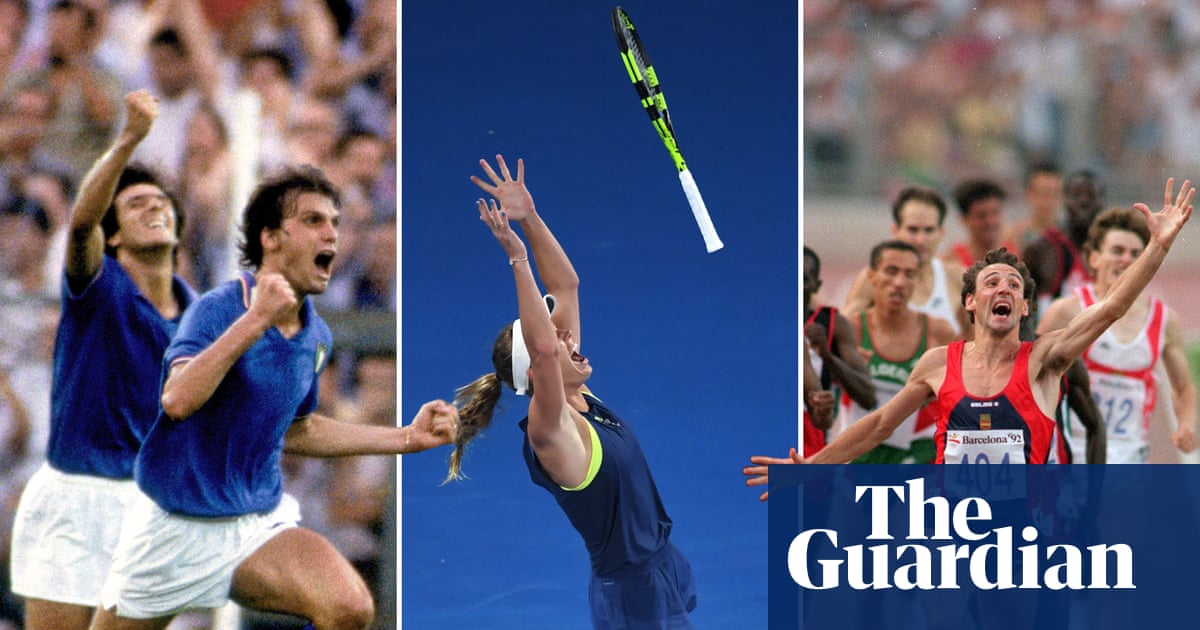

The experience of failure, whether in our careers or personal lives, is something we can all relate to. We often set high aspirations and develop strategic plans, supported by logical reasoning that suggests our paths should succeed, only to face disappointment.
There are frequently external factors that contribute to these setbacks, indicating that the absence of success is not solely our fault. Talent, hard work, and generosity do not solely separate the successful from those who struggle. Yet, in the solitude of night, it is common to internalize blame, reflecting on our flaws and the impact they have on our journeys.
In moments of introspection, we rationalize that self-approval is essential; we negotiate with ourselves about the sacrifices we would be willing to make for our desires; and we torment ourselves by reliving near-successes while begrudgingly observing the achievements of others who may seem less deserving, all while imagining the euphoria of success and the potential disappointment of failure.
This anguish can feel overwhelming, creating a sense of spiritual and physical distress that drains our self-esteem and motivation. It’s akin to being trapped on a bus, yearning for the moment of relief that feels almost unattainable, yet deeply desired.
Between October 2010 and January 2012, Caroline Wozniacki held the No. 1 spot in the world rankings for a total of 67 weeks, ending both 2010 and 2011 in that position. This achievement marks her as an exceptional tennis player; however, success in tennis is often judged by the number of Grand Slam titles, a category where Wozniacki struggled to make her mark.
While she may not have excelled on grass or clay courts, she was adept on hard courts, giving her two opportunities each year to compete for majors. In 2009, she reached the US Open final but was defeated in straight sets by Kim Clijsters. This loss was not seen as catastrophic; she was young and had ample chances ahead of her. However, in the subsequent two years, she fell short in the semifinals against Vera Zvonareva and Serena Williams, with Williams also defeating her in the 2014 final. Additionally, she lost to Li Na in the 2011 Australian Open semifinals.
The inability to clinch victories in these crucial matches seemed to overshadow Wozniacki’s career, exemplified by her 1-10 record against Williams, which highlighted her lack of power and decisive weapons. Her defeats to Zvonareva and Li underscored her struggle to elevate her performance when it mattered most, especially against opponents who were perceived as less talented. Meanwhile, various other players, such as Li and Victoria Azarenka, claimed titles, despite being viewed as less skilled than Wozniacki, thus intensifying the sense of injustice surrounding her career.
In 2014, Wozniacki faced the additional burden of a public breakup with Rory McIlroy, which compounded her struggles on the court. Following that, her ranking slipped to 74, and although she reached the semifinals at the 2016 US Open, her year-end ranking fell to 19, with injuries further complicating her situation. It seemed as though her prime had passed.
However, in 2017, after a disappointing exit in the second round of the US Open, Wozniacki achieved a significant turnaround by winning the WTA Finals, propelling her back to No. 3 in the world—her highest ranking since 2011. By the 2018 Australian Open, she was seeded second, having made her 43rd Grand Slam appearance. This time, conditions appeared favorable, as Williams was absent due to maternity leave.
Despite this, Wozniacki faced challenges early in the tournament, needing to save match points against Jana Fett and rallying from a 1-5 deficit in the third set. She advanced through several tough matches, including a challenging quarterfinal against Carla Suárez Navarro, eventually setting up a final against top seed Simona Halep, a player known for her formidable abilities but lacking a major title.
Wozniacki took the first set in a tiebreak but lost the second, prompting a necessary break due to the extreme heat. With the match tied in the final set, she called for a medical timeout and made a pivotal decision to abandon her defensive style, opting instead to play aggressively. This change in approach allowed her to gain momentum, winning three consecutive games to seal the match.
Overwhelmed with emotion, Wozniacki collapsed to the ground in tears, struggling to comprehend the significance of a moment she had envisioned for years. “I dreamed of this moment for so many years,” she expressed afterward, acknowledging the depth of her emotions. “I never cry, but today is an emotional moment.”
This monumental occasion marked a transformative shift in Wozniacki’s life, filling each moment with the unparalleled joy that comes from achieving a long-sought goal. While we may all experience moments of relief, the astonishment that accompanies unexpected success is often less familiar to those who have not yet tasted victory in their pursuits.
In athletics, the 1500m event was once considered the premier race, particularly in the 1980s. Though the 100m sprint eventually garnered more attention, the 1500m remained a prestigious event by the time of the 1992 Barcelona Olympics.
Algeria’s Noureddine Morceli, who had won the 1991 World Championships by an impressive two-second margin, entered the Olympic Games as a strong favorite. He successfully advanced through both the heat and semi-final rounds, setting the stage for an anticipated final.