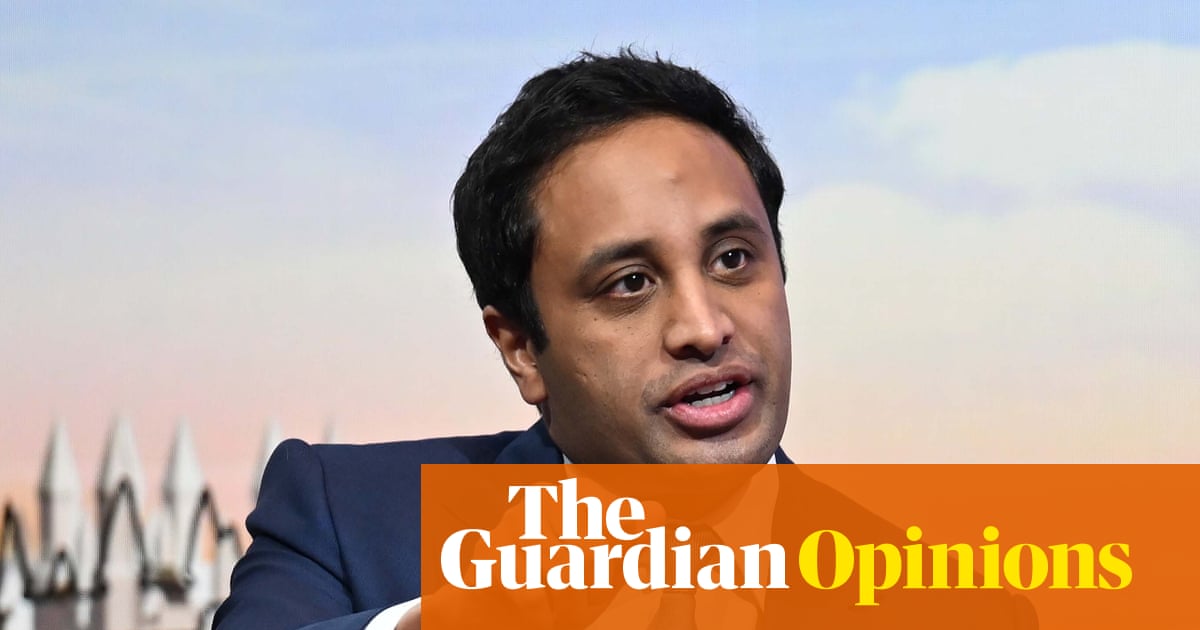

In a recent interview shortly after the start of Lent, Zia Yusuf, the Muslim home affairs spokesperson for Reform UK, introduced a controversial policy aimed at preventing the conversion of churches into mosques. He described this topic as a highly sensitive matter connected to Christian heritage, which he claimed is generating significant unease throughout the United Kingdom.
Analysis by the Times, the publication that conducted the interview, revealed that the conversion of churches into mosques is, in fact, extremely uncommon, accounting for less than 0.09% of the approximately 47,000 churches that were operational in the 1960s. Yusuf’s proposed resolution to this so-called crisis includes automatically granting listed status to churches and modifying planning regulations to limit their change of use. However, this approach has faced skepticism, particularly from congregations already struggling to finance repairs, as the bureaucratic burdens associated with listed status could exacerbate their financial challenges.
Yusuf’s motivations appear to extend beyond genuine concern for churches; the policy seems designed to create cultural rifts for political advantage, positioning Reform UK as the representative of a threatened Christian majority. This mirrors the objectives of the far-right-oriented Unite the Kingdom march held last September, which showcased wooden crosses and chants proclaiming “Christ is King.” Conservative MP Nick Timothy has also contributed to this narrative, labeling public Muslim prayers during Ramadan as an act of “domination.”
This troubling agenda taps into fears associated with the “great replacement” conspiracy theory, which posits that migration is altering the cultural “DNA” of Europe. It appropriates Christian traditions in a predominantly secular society to justify a harsh stance against the rights of refugees, especially those who are Muslim, and to foster animosity towards Britain’s multicultural landscape.
Expect to see more of this rhetoric in the future. The Christian nationalist right has played a significant role in the ascent of figures like Donald Trump and the MAGA movement in the United States. James Orr, a Cambridge theologian and head of policy at Reform UK, appears to be aiming for a similar effect for Nigel Farage. Last month, Orr was a prominent attendee at a gathering of far-right leaders in Hungary, where Prime Minister Viktor Orbán has solidified his authority by weaponizing cultural Christianity for political ends.
In reaction to these developments, churches across Britain have begun to assert their voices publicly. In February, Anglican bishops attempted to reclaim the meaning of the cross in the St. George’s flag, which has been co-opted by the Raise the Colours movement to intimidate immigrants. Their statement emphasized that the “true significance of the cross” embodies “values of respect, compassion, and care for all.” This message resonates with the gospel accounts highlighting Jesus’s interactions with marginalized individuals.
During Easter weekend, this theme of inclusivity will resonate in churches of all denominations as congregations celebrate Christ’s redemptive sacrifice. However, opportunists like Yusuf seem to overlook the ethical foundations of Christian teachings, repurposing its traditions to foster social exclusion and assert cultural dominance. As Britain’s rich religious heritage increasingly becomes a political battleground, committed Christians and church leaders will need to devise new strategies to counter those who exploit their faith for power.