
In the 1970s, I relocated from St. Louis, Missouri, to England to produce an album for a singer and ultimately decided to stay. I spent some time with Slim Chance, led by Ronnie Lane, and toured with Gallagher and Lyle. As the 1980s approached, I shifted my focus toward songwriting, collaborating with artists such as Shakin’ Stevens, Elkie Brooks, and Paul Young.
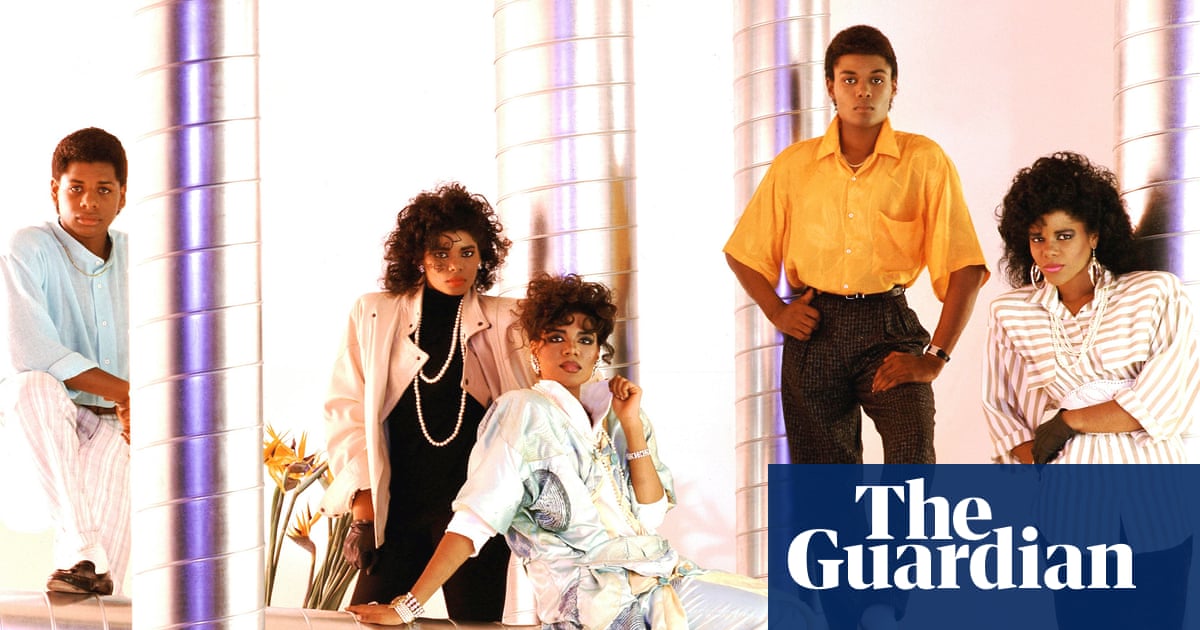
My publishers encouraged me to write for the pop group Five Star, leading me to co-write the track “System Addict” alongside Gary Bell. Although I was in my thirties at the time, the members of Five Star were teenagers, gaining invaluable studio experience while I honed my skills as a producer. After returning from a tour six months later, I was invited to contribute a song for their upcoming album. My publisher suggested, “You should collaborate with Peter Sinfield.” Since Pete had relocated to Spain, I sent him a rough melody. A week later, he requested that I write down some lyrics over the phone. The demo for “Rain Or Shine” was performed by Tessa Niles, a session singer and dear friend who had an extensive resume, including touring with The Police and contributing to Eric Clapton’s Unplugged album. She effortlessly delivered the vocals for “Rain Or Shine.”
My intention was not to create a typical 80s hit; rather, “Rain Or Shine” is a love ballad. During that era, everything was produced manually, with musicians layering their parts over a drum machine loop.
We recorded the song at Mayfair Studios in London, a venue renowned for hosting numerous legendary artists, including George Michael and Tina Turner. When A-ha was in the studio, the long line of fans waiting outside was a clear indication of their presence. One element I borrowed was from Donald Fagen’s “New Frontier,” which features a distinctive sequencer part that I wanted to emulate.
Listening to “Rain Or Shine” brings back fond memories, although I occasionally wish I had altered the second verse or adjusted the piano section. It’s only natural to have such reflections. Ultimately, the joy I experienced while creating this music is what truly matters.
Before recording, Buster Pearson, the father and manager of the Five Star siblings, would play me the demos. The first time I heard our breakout single, “All Fall Down,” sung by a male vocalist, I was puzzled by its dreary sound. I preferred the demos from Gary Bell and Billy Livsey, featuring a remarkable female singer whose voice captivated me, making it easier for me to follow her lead.
Buster advised me to pay attention to the female vocalist on the demo and articulate my words clearly. I had braces, which caused me to slur my speech, so I made a conscious effort to pronounce the lyrics distinctly to avoid discomfort.
For me, the energy in the recording booth is essential, especially when a producer is observing my performance. Making “Rain Or Shine” was the only time throughout my career that I struggled to find a comfortable recording studio. The one I selected frequently had electrical issues, leading Billy to jokingly refer to a “gremlin” causing problems. He would reassure me that studio difficulties often signal a hit record, which turned out to be true.
We performed “Rain Or Shine” at various events, including Top of the Pops, the Royal Variety Performance, and Miss World. During one performance, a fan unexpectedly pulled me into the audience, but my strong Italian security guard quickly lifted me back onto the stage. Nowadays, I reserve the song for my encore, where the audience sings along, often bringing a tear to my eye due to its beauty. The structure of 80s music, where melodies are introduced first through instruments and then echoed in the vocals, showcases the remarkable songwriting of Billy, who was a significant reason I admired him so much in my youth.
Deniece Pearson’s latest album, “Free-Queen-See,” is currently available.