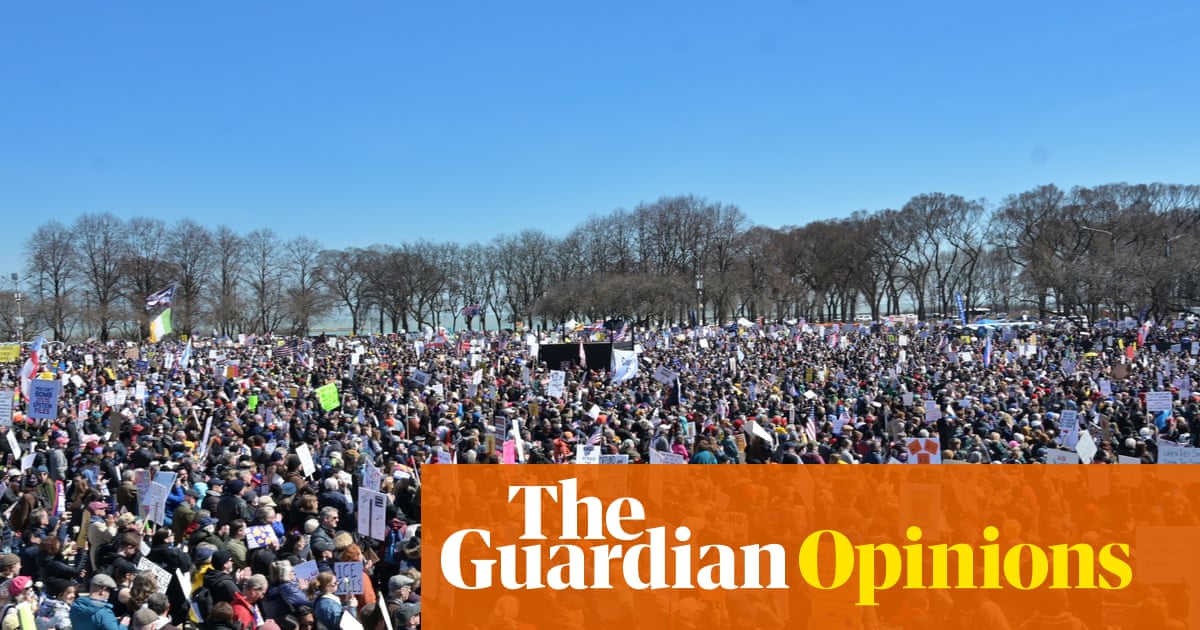

Last weekend, countless individuals across the United States united to reaffirm the principles that support the common good.
People nationwide expressed their collective disapproval of various issues, including former President Trump’s controversial military actions in Iran, the targeting of immigrants by ICE and border patrol, the prosecution of current and former officials by Trump, and the threats faced by students and educational institutions regarding their rights to learn and express themselves. Additionally, many voiced their commitment to environmental protection and the fight against climate change, standing firmly against any form of dictatorship.
The pressing question remains: how can we transform this unity into political strength?
Here are three actionable recommendations. Each relies on collaboration with fellow activists, including those we encountered during the No Kings protests, as well as members from our local Indivisible chapter and other engaged organizations.
First, focus on vulnerable Republican senators and House representatives. The goal should be to persuade them to either change their party affiliation or become independents who align with Democrats, or to successfully contest their seats.
The Republican majorities in both chambers are extremely narrow. Many Republicans in swing districts are facing challenges in maintaining support from their constituents, while also grappling with the moral implications of backing Trump’s authoritarian tendencies.
Second, it is crucial to start organizing efforts now to encourage voter turnout for the upcoming midterm elections in November. The aim should be to secure significant Democratic victories in both chambers of Congress, which would limit Trump’s actions post-January 2027.
Mobilizing voters will be essential. Create a strategy that includes using phone trees, writing postcards, and coordinating transportation for those in need.
Since January 2025, Democrats have demonstrated remarkable performance in special elections within congressional districts won by Trump in 2024, achieving an average lead of 17 points. Recently, Democrats also triumphed in two special state legislative elections in Florida, successfully flipping the district surrounding Trump’s Mar-a-Lago residence.
Simultaneously, Trump’s approval ratings continue to decline. According to a recent Reuters/Ipsos poll, only 36% of respondents approve of his presidency, while 62% disapprove, marking a new low for him during his second term. The latest Quinnipiac poll indicates that 38% approve and 56% disapprove, while even a Fox News poll shows his approval at 41% and disapproval at 59%, with 58% of Americans opposing military action in Iran.
These trends offer a positive outlook for the midterms, but effective planning for voter mobilization is vital. This includes identifying potential Democratic voters, ensuring their registration and motivation, and assisting them in reaching polling places—or, if permissible, ensuring timely mail-in ballot submissions.
It is also crucial to confront any attempts by Trump-aligned Republicans to intimidate potential Democratic voters or manipulate the electoral process.
We must ensure that neither Trump nor his supporters hinder the participation of likely Democratic voters leading up to the November elections through tactics such as deploying federal agents near polling locations, obstructing ballot counting or certification, or enacting regulations that complicate the voting process.
If you have concerns regarding these tactics, it is advisable to consult with your state and local party officials and election authorities to ensure they are adequately prepared. If they express worry and cannot guarantee a fair election, encourage them to seek legal recourse in federal courts.
You may also contact your local chapter of the American Civil Liberties Union. To find one of the 54 state-level offices, visit the ACLU’s affiliate map website, where you can search for nearby chapters that engage in local advocacy, events, and volunteer opportunities.
If you felt motivated by the No Kings Day protests, know that many others share that sentiment. Let’s harness that inspiration and translate it into tangible political action to reclaim authority from Trump and his administration.
With Trump’s approval ratings dwindling and the far-right facing disarray, a spirit of unity is emerging across America and beyond. Communities are coming together not just to protest but also to rebuild and envision a different future. This was evident last weekend during the historic turnout for the No Kings protests, which has galvanized many into activism for social justice. These challenging times are prompting a reevaluation of democratic capitalism and heralding a new phase of grassroots reform. From the remnants left by the Trump administration, we can aspire to create an economy centered on inclusive prosperity, a democracy grounded in political equality, and a system where power is equitably shared.
Robert Reich, former US Secretary of Labor, is an emeritus professor of public policy at the University of California, Berkeley. He is a columnist for The Guardian US, and his newsletter can be found at robertreich.substack.com. His latest book, “Coming Up Short: A Memoir of My America,” is currently available in the US and the UK.