
On Sunday, President Donald Trump indicated that if a peace agreement with Iran is not established within the next 48 hours, he would take drastic measures, stating, “we’re blowing up the entire country.” This remark was made during an interview with ABC News’ senior political correspondent Rachel Scott when she inquired about his previously mentioned timeline for negotiations, which he had estimated to be two to three weeks.
Trump’s comments have raised alarm over the potential targeting of civilian infrastructure in Iran and the repercussions that such actions could entail. He asserted, “It should be days, not weeks,” emphasizing that Iran has faced significant destruction, which he believes will only escalate if no agreement is reached. “Every day they’re going to have to build more bridges, and they’re going to have to build more power plants and more everything else,” he said, noting that no other nation has endured such extensive damage.
In his ultimatum, Trump demanded that Iran reach an agreement to open the Strait of Hormuz or achieve peace. He stated, “If it happens, it happens. And if it doesn’t, we’re blowing up the whole country.” This ultimatum was echoed in a post on his social media platform, where he reiterated that if the vital maritime route is not opened by Tuesday, “you’ll be living in Hell.” He characterized Tuesday as “Power Plant Day” and “Bridge Day” for Iran, emphasizing the severity of his stance.
Having already extended the deadline for Iran to comply with the demands twice, Trump reiterated his warning that if the strait is not fully accessible for international shipping by the new deadline, significant consequences would follow. He has previously stated that peace talks are progressing well and even paused the timeline for “Energy Plant destruction” upon an Iranian request.
In a phone interview, Trump expressed optimism about reaching a deal by Monday but later tempered that optimism in his conversation with Scott, indicating uncertainty about the outcome. He remarked that while a deal is possible, there is also the chance that negotiations could fail, stating, “I have no idea what these people, they’re getting the s— beat out of them.” He also suggested that “very little” would be off-limits if negotiations do not succeed.
In response to Trump’s threats, Mohammad-Bagher Ghalibaf, the speaker of the Iranian parliament, took to social media to criticize the U.S. president’s remarks. He warned that America’s aggressive actions could plunge the region into turmoil and emphasized that true resolution lies in respecting the Iranian people’s rights rather than resorting to violence.
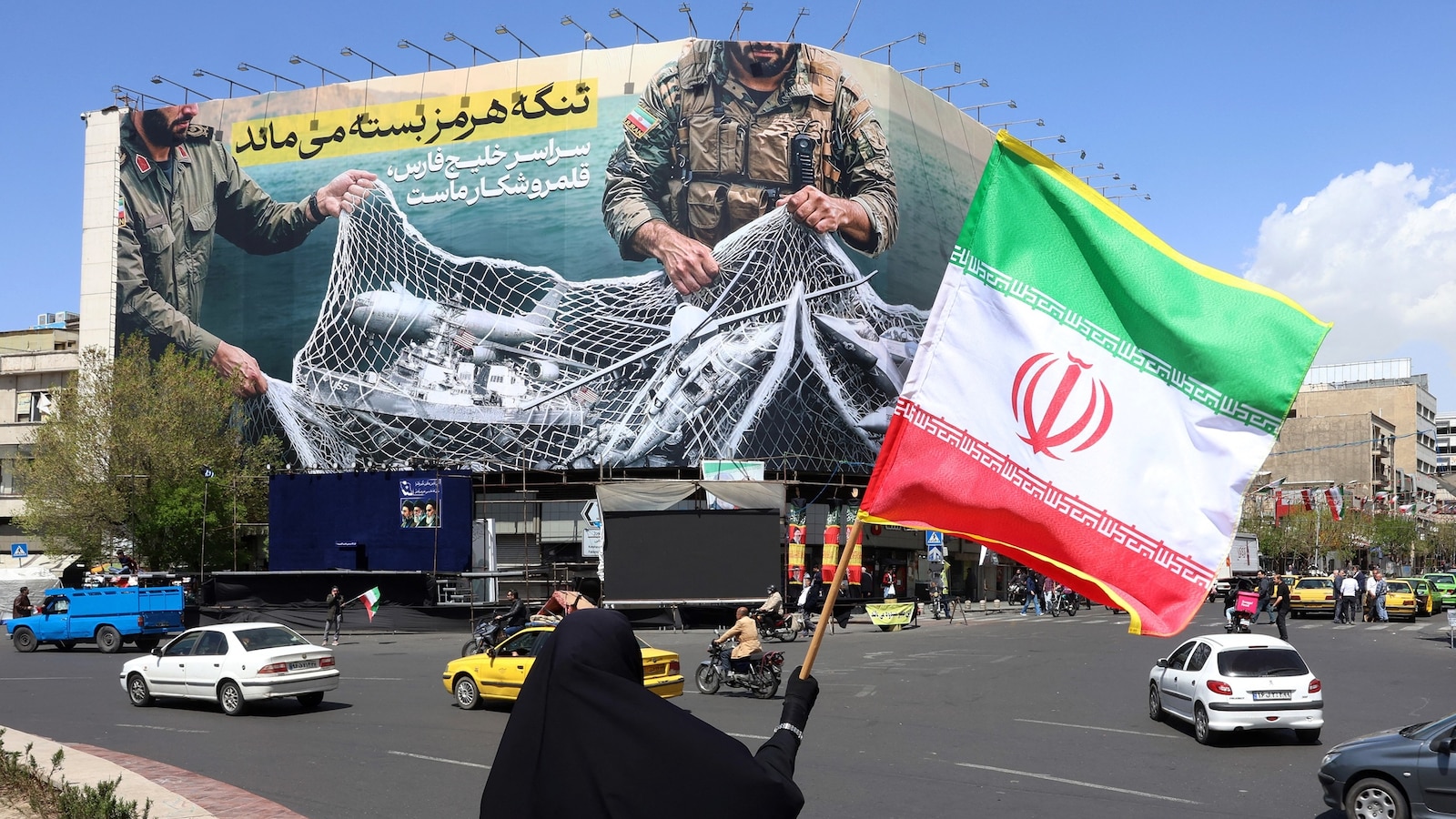
The United States has reportedly submitted a 15-point plan aimed at resolving the conflict, facilitated by the Pakistani government. However, Iranian officials have publicly dismissed the proposal, asserting that negotiations are non-existent. Iranian Foreign Minister Abbas Araghchi stated that Iran views the Strait of Hormuz as only closed to perceived enemies but open to “non-hostile” vessels.
During a recent cabinet meeting, Trump claimed that Iran is eager to negotiate, citing that they had allowed 10 oil tankers flying the Pakistani flag to pass through the strait as a sign of goodwill. While Iran has permitted vessels from friendly nations to navigate the strait, it has also targeted ships linked to countries it deems hostile.
Furthermore, the Islamic Revolutionary Guard Corps confirmed that it attacked an Israeli-associated container ship near the Strait of Hormuz, although neither Israel nor the U.S. has publicly acknowledged the incident. In a recent address, Trump declared that Iran no longer poses a threat to the U.S. and maintained that the conflict is approaching its conclusion, pledging to take strong action against Iran in the coming weeks.