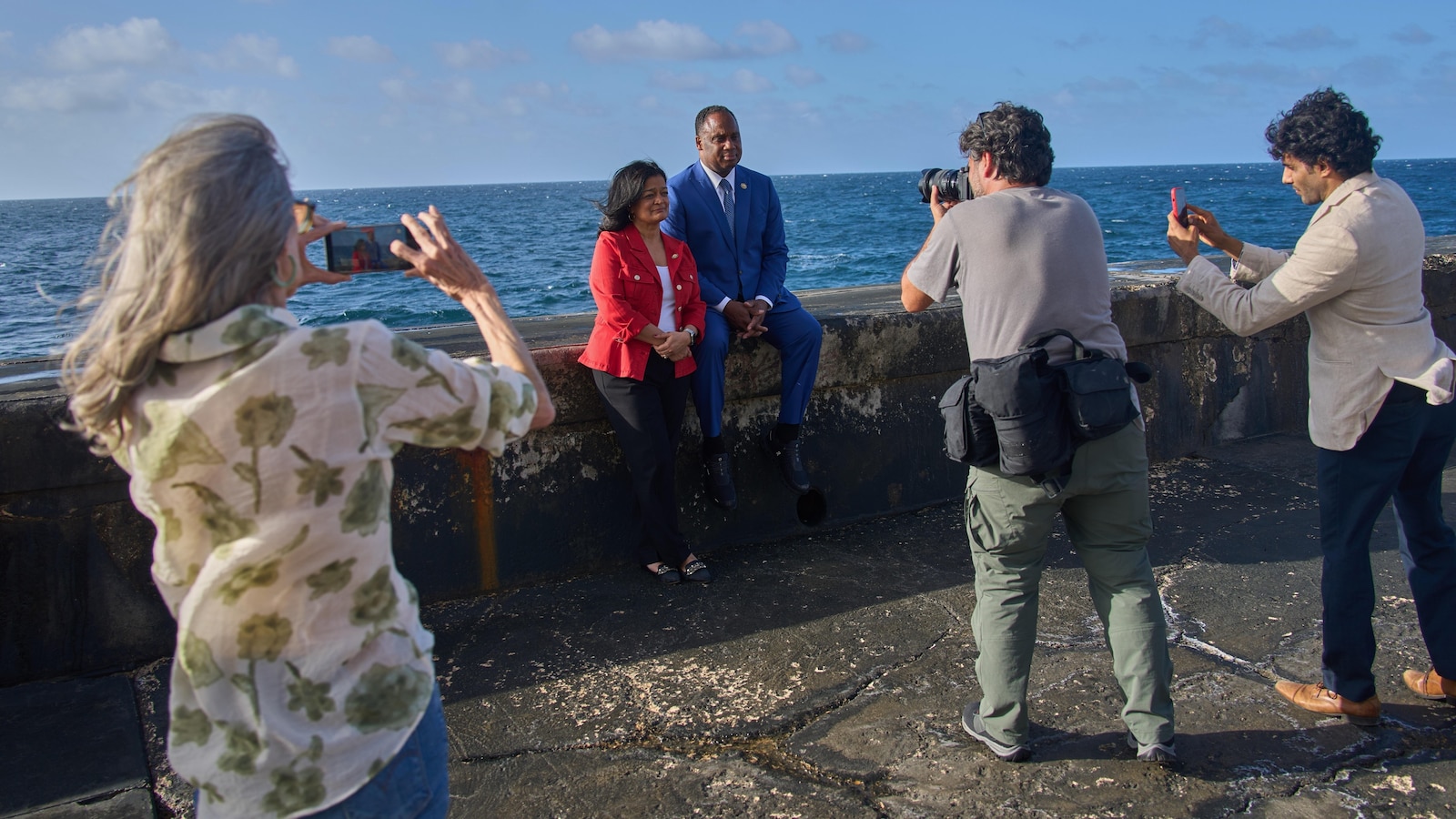

HAVANA — Following a recent official visit to Cuba, two U.S. lawmakers have emphasized the need for a lasting resolution to the ongoing crises on the island, particularly highlighting the detrimental effects of the U.S. energy blockade.
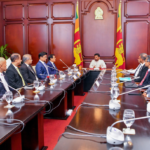
Democratic Representatives Pramila Jayapal from Washington and Jonathan Jackson from Illinois engaged in discussions with Cuban President Miguel Díaz-Canel, Foreign Minister Bruno Rodríguez, and members of the Cuban Parliament during their five-day trip, which concluded on Sunday.
On Monday, Díaz-Canel took to X to express his concerns after meeting with Jayapal and Jackson, condemning the “criminal damage” inflicted by the blockade, especially the repercussions of the energy embargo imposed by the current U.S. administration, which he described as increasingly aggressive.
He also reiterated Cuba’s readiness to participate in meaningful and responsible bilateral discussions aimed at addressing existing differences.
Both nations have recognized that high-level talks are currently underway, although specific details remain undisclosed.
In a statement to the press, Jayapal expressed optimism about recent developments in Cuba, including the opening of the economy to investments by Cuban Americans, the announcement of pardons for over 2,000 prisoners, and the arrival of an FBI team to assist in investigating a fatal incident involving a U.S.-flagged vessel. She believes these actions signal a timely opportunity for genuine negotiations between the two countries, urging a reversal of long-standing U.S. policies that are remnants of the Cold War and no longer beneficial for either Americans or Cubans.
The Cuban government has begun releasing the pardoned individuals, who were convicted of various crimes; however, it appears that none of them were political prisoners.
Earlier this year, in January, former U.S. President Donald Trump threatened to impose tariffs on any nation supplying oil to Cuba, although a Russian tanker that recently delivered 730,000 barrels of crude oil to the island was exempt from these threats. This shipment marked the first arrival of petroleum in three months for Cuba, which produces only 40% of its oil requirements.
Jayapal and Jackson criticized the blockade in a statement, calling it a form of “cruel collective punishment” that acts as an economic assault on the country’s infrastructure, causing significant and lasting harm that must cease immediately.
The cessation of crucial oil shipments from Venezuela followed U.S. actions against the South American nation, including the arrest of its leader, Nicolás Maduro, in early January.
The ongoing economic crisis, which has persisted for five years, has severely impacted Cubans, leading to widespread national blackouts, gasoline shortages, rationing, limited public transportation, reduced working hours, stalled hospital operations, and the suspension of flights, among other issues.
Russia has pledged a second shipment of oil, although the timeline for its arrival remains uncertain. Experts suggest that the initial shipment could provide approximately 180,000 barrels of diesel fuel, sufficient to meet Cuba’s daily requirements for about nine to ten days.
While acknowledging the importance of these shipments, Jayapal stressed that they represent only short-term fixes. “What we need is a longer, sustainable solution for both the Cuban and American people,” she stated.
Jackson further drew parallels between the blockade affecting Cuba and the situation in the Strait of Hormuz off the coast of Iran, asserting that Cuba is one of the most sanctioned places on the planet. He noted, “Our government is working to ensure the Strait of Hormuz remains open for the free movement of oil worldwide, and for humanitarian reasons, we also advocate for an unobstructed flow of oil, fuel, and energy within our own hemisphere.”
Both lawmakers announced plans to compile a report and continue advocating for initiatives introduced by their colleagues in the U.S. House of Representatives aimed at lifting sanctions against Cuba to help mitigate the ongoing humanitarian crisis.