
In my role as a celebrant, I initiate both weddings and funerals with the same phrase: “Ladies and gentlemen, we will be starting shortly, so kindly ensure your phones are turned off or set to silent.”
I introduce myself and express my deep appreciation for being part of such significant moments for the attendees. I always make sure to have tissues available, as wedding gowns often lack pockets, and many guests arrive at funerals unprepared for the emotions that may arise.
From this point, the ceremonies diverge. At weddings, I share the couple’s love story, which can be seen as the prologue to the new life they are embarking on together. In contrast, at funerals, I guide family and friends as they honor their loved one’s life through speeches, music, and visual tributes.
While weddings and funerals serve different functions, they share common elements; both are rituals that weave together music, storytelling, and physical movement. A wedding signifies the conclusion of one phase and the commencement of another, ideally filled with joy and excitement for the couple and their community. The couple transitions from engaged to married, and their roles within their families and communities also evolve.
Conversely, a funeral marks the end of a life chapter and the start of a new one. The deceased becomes a blend of past and present in the memories of those gathered, who begin to relate to them in a transformed way across time and space. Though the relationship with the deceased does not end, its nature shifts.
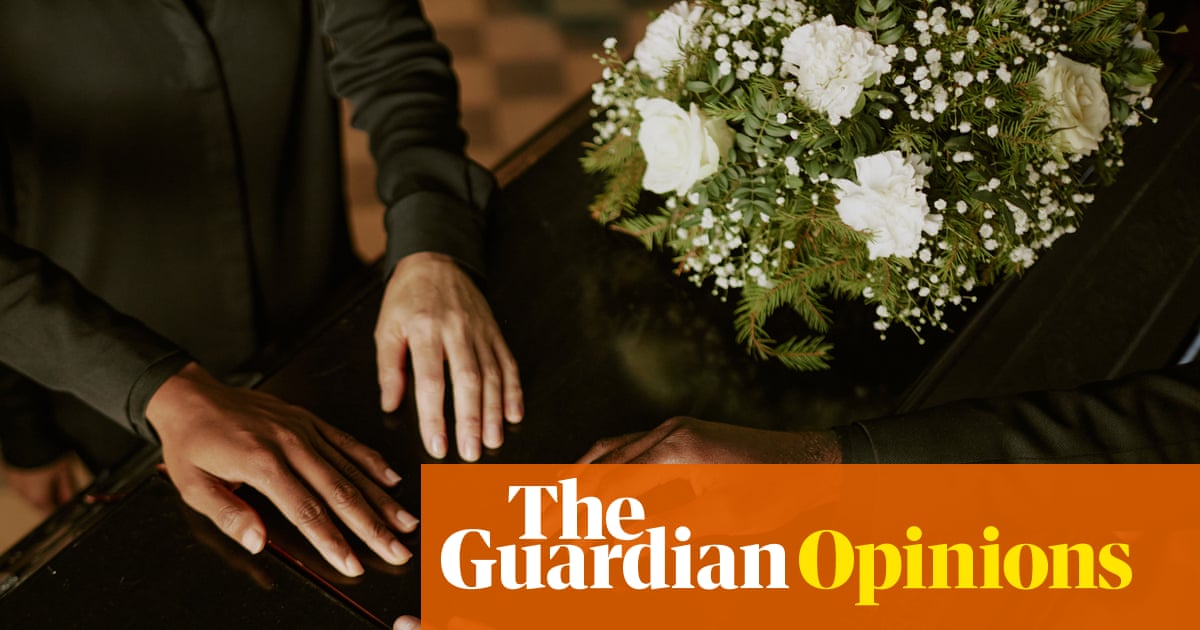
As rituals, both weddings and funerals involve physical actions; standing for the bride or the casket, approaching the couple or the deceased, tossing confetti or leaving flowers. Through these rituals, people discover new ways to connect with one another using their bodies.
Both weddings and funerals are sacred and meaningful occasions, and I feel privileged to witness these pivotal moments in people’s lives. However, I find myself drawn more to funerals, as they often reveal a deeper emotional transparency. Attendees are invited to engage with the delicate reality of life’s conclusion, a concept that remains elusive until one confronts it directly. Buddhists practice meditative visualizations to prepare for death, aiming to approach it as consciously as possible and navigate the bardo realm with intention.
During an interview with a local Wodi Wodi elder for my book on spirituality, I shared my journey of conducting funerals that began following my sister’s passing in 2015. My family and I had given her a meaningful farewell, and I felt compelled to assist others in honoring their loved ones similarly.
Interestingly, the elder had just the day before visited one of the funeral homes I collaborate with to arrange her own funeral. She showed me a box labeled “Departures” in her living room, containing her instructions and song choices. I admired her for her foresight and organization.
She then asked me, “Do you believe that conducting funerals aids in your healing?” This question had never been posed to me before.
“If it ceases to be healing for you,” she cautioned, clasping her hands, “please, stop.”
At my sister’s funeral, I experienced a profound sense of connection, and I wanted to offer that same experience to others, guiding them as they engage with the mysteries of life and death. If I ever find that I have nothing left to share, I will recognize that I can no longer provide what I once gave myself during my sister’s passing.
Consequently, I have decided to cease officiating weddings and concentrate exclusively on funerals. While I cherish the joy and vulnerability displayed by couples as they publicly declare their love and promises, I now see that my work may also be a part of my own healing journey. I initially believed I was serving others through funerals, but perhaps it is also a means of self-reflection, allowing me to remember—each time—the sacred nature of fragility, the transient essence of life, and the inevitability of an end.
In essence, funerals may enhance my approach to living more fully.
Jackie Bailey, author of “The Eulogy,” which received the 2023 NSW Premier’s Literary Multicultural Award, works as a funeral celebrant and pastoral care practitioner, assisting families in navigating the complexities surrounding death and dying.