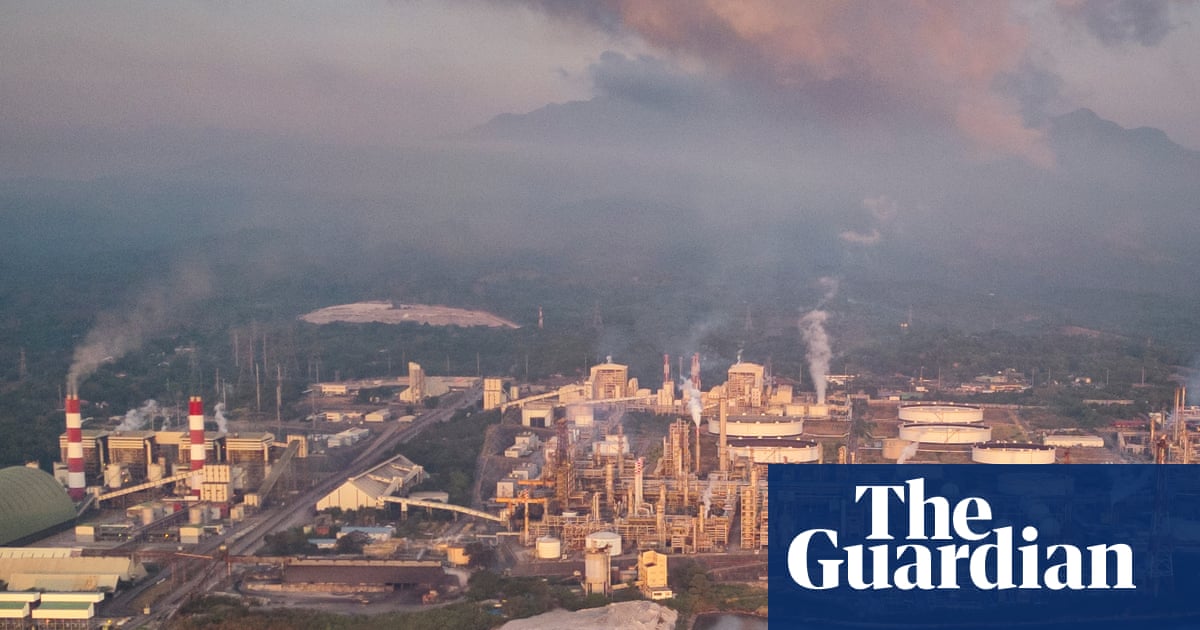

Currently, oil prices hover around $110 per barrel, with some analysts predicting a potential rise to $150. This increase, coupled with a shortage of fertilizers, is driving food prices higher, prompting the World Food Programme USA to issue a warning that global food insecurity could hit unprecedented levels, affecting an additional 45 million people who may face acute hunger. Various industries, from steel to chemicals, are sounding alarms about shortages and escalating expenses, while households worldwide are advised to lower thermostats, utilize public transport or bicycles, and reduce vehicle speeds on highways.
The ongoing conflict between the US and Israel has highlighted the vulnerability of economies reliant on fossil fuels, marking the third significant global shock in the last six years, following Russia’s invasion of Ukraine and the COVID-19 pandemic. Simon Stiell, the UN’s climate chief, remarked in March that “dependence on fossil fuels undermines national security and sovereignty, replacing them with subservience and increasing costs.”
In the past year, the Guardian analyzed the ten nations contributing the most to greenhouse gas emissions, categorizing them into two groups: those entrenched in fossil fuels, intent on extracting every last drop, and those striving for a low-carbon future to liberate themselves from oil dependence and avert climate disaster. This division represents a shift on a global scale: the emerging electrostates of the future versus the declining petrostates of the past.
John Kerry, former US Secretary of State, emphasized in an interview with the Guardian that we are witnessing the rise of electrostates in contrast to petrostates, stating, “Electricity is crucial for everyone; the ability to harness electrons for use wherever and whenever needed is the future.”
The Iran conflict has accentuated this divergence, revealing which of the top ten emitters may emerge stronger from the turmoil. Global trends have shifted in favor of renewable energy; last year marked the first time that electricity generated from low-carbon sources surpassed that from coal. Investment in clean energy is now double that of fossil fuels, and coal generation in China and India has declined for the first time since the 1970s.
However, the wars in Iran and Ukraine have also revealed a stark truth: many of the world’s most influential nations and largest emitters are benefiting from elevated fossil fuel prices. The US oil and gas industry is projected to gain a $60 billion windfall from the Iranian conflict; high commodity prices have been a boon for Russia, which has seen some sanctions lifted amid its ongoing war efforts in Ukraine; and although Saudi Arabia has faced missile attacks from Iran, resulting in the shutdown of its largest refinery, the share price of its national oil company, Aramco, has surged due to its abundant reserves. Iran, too, has seen an increase in oil revenues despite its infrastructure being under attack.
High oil prices are advantageous for petrostates, enabling them to invest further in hydrocarbon production.
China, the world’s leading emitter and second-largest economy, is at the forefront of the transition toward electrification. Its emissions have remained stable or decreased over the past two years. While past patterns have shown emissions spike after periods of decline, analysts believe the current trend is different. Renewable energy is expanding rapidly, not just for domestic consumption but also for export. Green technology, including electric vehicles, batteries, and components for wind and solar energy, now constitutes over 10% of China’s export market and a similar portion of its overall economy.
“We hope this emissions trend reflects a sustained decline,” commented Li Shuo, director of the China Climate Hub at the Asia Society Policy Institute. “There is no lobbying group in China pushing for a return to coal, which gives us confidence that this trend is structural.”
China added 360GW of new solar and wind capacity in 2024 and 430GW in 2025, with clean energy contributing to a third of the country’s GDP growth last year, according to Carbon Brief. Investments in clean energy surpassed $1 trillion, nearly four times the $260 billion allocated to fossil fuel extraction and coal power.
The critical question will be whether China can phase out its “hand-in-hand” approach of using coal alongside renewable energy as battery production continues to ramp up. Li noted, “Batteries could significantly replace coal in China’s energy system. I anticipate we will see an increase in battery usage and a decline in coal.”
India, the world’s most populous nation and fourth-largest economy, still has a way to go but is making strides in the race toward a low-carbon future. In a surprising move, India released a new national greenhouse gas emissions plan at the end of March, known as a nationally determined contribution (NDC) under the Paris Agreement. The plan aims to generate 60% of its electricity from low-carbon sources by 2035 and reduce emissions per GDP unit by 47%.
These targets are feasible; India’s renewable energy sector is expanding rapidly, with a record addition of 45GW of capacity last year, nearly double the previous year’s total. The Climate Action Tracker predicts that the 60% target will be achieved five years ahead of schedule, by 2030. However, the NDC signifies a significant advancement for a country that celebrated its billionth tonne of coal production last year and has occasionally been a disruptive force in international climate discussions.
Arunabha Ghosh, CEO of the Council on Energy, Environment and Water think tank, stated, “In a time when conflicts and energy security issues are causing nations to deviate from climate commitments, India’s new NDC sends a crucial message.”