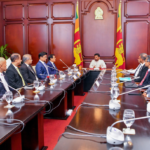

On Monday, two Democratic representatives from the United States urged for an end to what they termed the “cruel collective punishment” of Cuba, following their recent visit to the island to assess the impact of the U.S. energy blockade. Congress members Pramila Jayapal from Washington and Jonathan Jackson from Illinois engaged in discussions with Cuban President Miguel Díaz-Canel, Foreign Minister Bruno Rodríguez, and various lawmakers during their five-day trip, which concluded on Sunday.
In a statement released on Sunday, Jayapal and Jackson condemned the blockade, likening it to “an economic bombing of the infrastructure of the country” that has inflicted irreversible damage. They insisted that these punitive measures should cease immediately.
In response, President Díaz-Canel addressed the situation on social media platform X, denouncing the severe harm inflicted by the blockade, particularly regarding the energy restrictions imposed by the current U.S. administration, which has hinted at even more aggressive actions. He highlighted his government’s openness to engaging in serious and responsible dialogue to resolve existing differences.
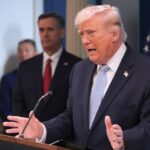
Amid these developments, former President Donald Trump has hinted at a potential “friendly takeover” of Cuba, while Díaz-Canel remains focused on seeking economic collaboration without compromising national sovereignty.
High-level discussions between the United States and Cuba are reportedly ongoing, led by U.S. Secretary of State Marco Rubio. These talks follow a blockade on oil initiated by the U.S. president, who issued executive orders in January imposing tariffs on countries that provide fuel to Cuba. The blockade was exacerbated by a U.S. attack on Venezuela earlier this year, which disrupted oil shipments from this key regional partner and resulted in critical fuel shortages in Cuba.
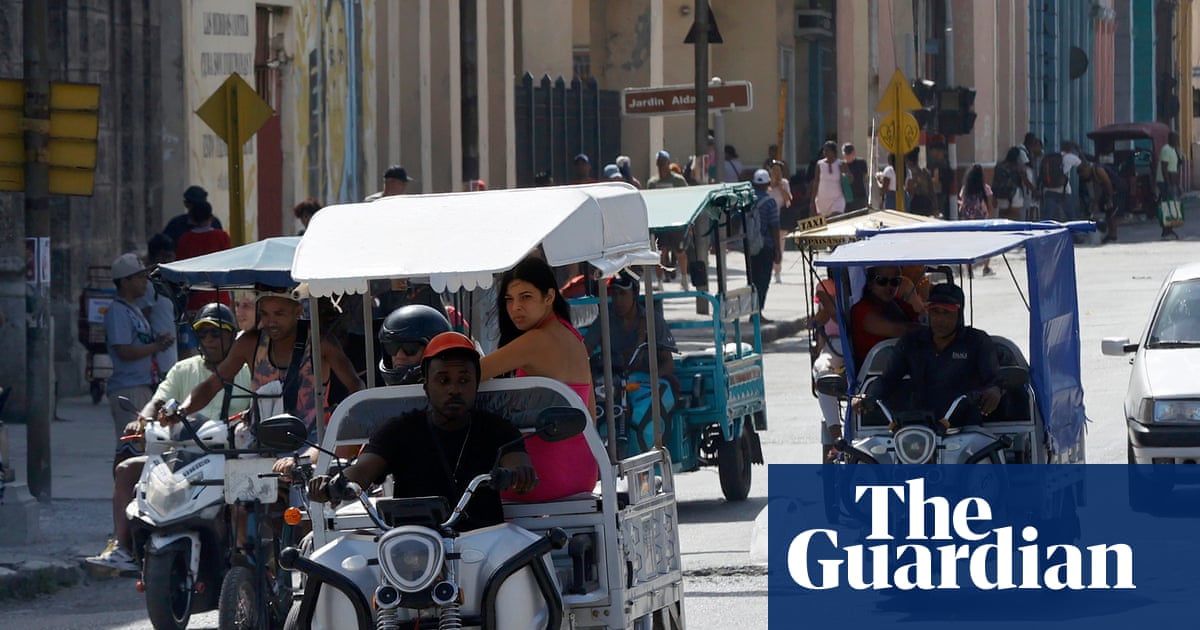
These shortages have led to widespread blackouts, gasoline rationing, disruptions in public transportation, and significant challenges in healthcare services, including the suspension of surgeries and flights.
On March 30, a sanctioned Russian oil tanker, the Anatoly Kolodkin, was allowed to dock at Cuba’s Matanzas oil terminal, unloading 700,000 barrels of crude oil, signaling a possible easing of U.S. policy. According to experts, this shipment could generate approximately 180,000 barrels of diesel, sufficient to meet Cuba’s daily demand for nine to ten days.
At the conclusion of their visit, Jayapal expressed optimism regarding Cuba’s recent initiatives, such as opening the economy to certain investments from Cuban Americans abroad and the announcement of pardons for over 2,000 prisoners. She argued that these actions signify an opportune moment for genuine negotiations between the two nations, advocating for a reversal of decades-long U.S. policies.
Jayapal described the current U.S. stance as a “cold war remnant” that no longer benefits either the American or Cuban people, emphasizing the need for a long-term solution rather than temporary fixes like the recent oil shipment.
Jackson drew parallels between the oil blockade affecting Cuba and restrictions on oil passage through the Strait of Hormuz. He labeled Cuba as “the most sanctioned region on Earth,” advocating for a humanitarian approach to ensure the free flow of oil and energy within the hemisphere.
In a post on X in March, Jackson criticized Trump’s blockade for its detrimental effects on the Cuban population, calling for an end to the embargo and greater economic cooperation. He remarked that for over 60 years, U.S. policies have proven counterproductive, causing suffering for generations of Cubans and undermining their quest for freedom. He asserted that Cubans should determine their own future, rather than being subject to the whims of figures like Trump.
The Associated Press contributed to this report.