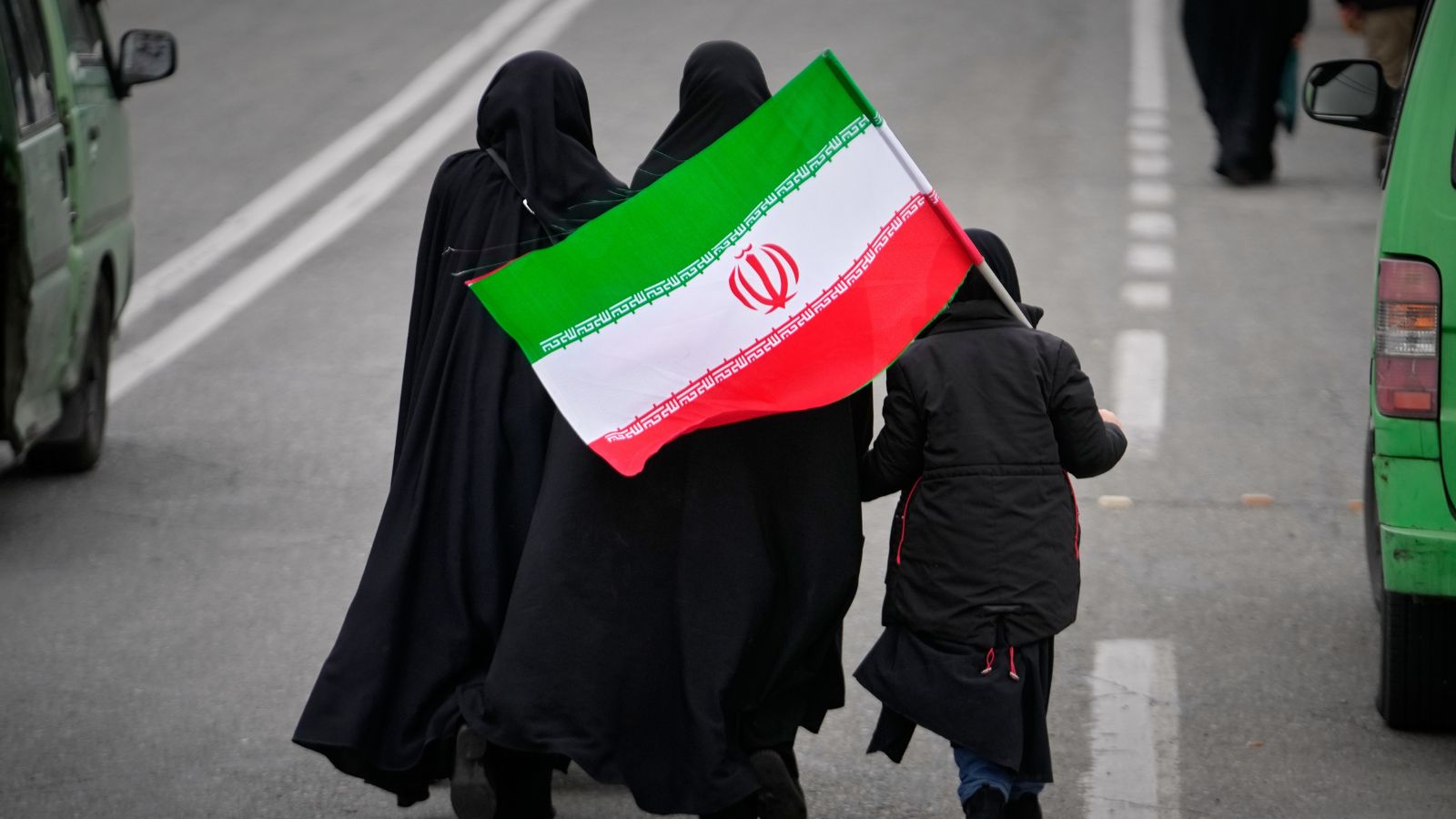

In light of escalating tensions, U.S. President Donald Trump issued a grave warning, stating that a “whole civilization will die tonight” as he approached a deadline for Iran to accept a proposal that includes the reopening of the Strait of Hormuz. In response, the Indian embassy in Tehran has advised Indian citizens to remain indoors for the next two days.
The embassy’s advisory emphasized that Indian nationals currently in Iran should stay in place for 48 hours, avoiding areas near military installations and upper floors of tall buildings. They were urged to coordinate any travel on highways strictly through the embassy.
Those staying in hotels arranged by the embassy were instructed to remain indoors while keeping regular communication with embassy personnel. The embassy also provided essential emergency contact numbers and encouraged citizens to stay informed through official updates.
There are approximately 8,000 Indian nationals in Iran, and the Indian embassy has successfully facilitated the transit of 1,862 individuals, including 935 students and 472 fishermen, from Iran to Armenia and Azerbaijan for their return to India. Since the onset of U.S. and Israeli military actions against Iran on February 28, around 760,000 passengers have traveled from the region to India.
Indian officials have reported that all Indian seafarers in the area are safe, with no incidents involving Indian-flagged vessels in the last 24 hours. Currently, 16 Indian-flagged ships with 433 Indian crew members remain in the western Persian Gulf. The Indian authorities have successfully repatriated over 1,691 Indian seafarers thus far, including 92 in the past day from various regional airports and locations.
This advisory from the Indian embassy came in the wake of President Trump’s dire warning, yet he indicated that Iran still has time to comply before the deadline set for 8 PM Washington time. The U.S. leader issued this stark threat just twelve hours before the deadline for Iran to agree to the proposed deal.
The Indian government has been actively engaging with regional stakeholders, with External Affairs Minister S. Jaishankar having multiple discussions with Iranian Foreign Minister Seyed Abbas Araghchi as well as counterparts from Gulf nations like Saudi Arabia, the UAE, Qatar, and Oman. Prime Minister Narendra Modi has also communicated with leaders from Iran, the UAE, Saudi Arabia, Qatar, and Oman, speaking at least twice with each since the conflict escalated on February 28.
Shubhajit Roy, the Diplomatic Editor for The Indian Express, has over 25 years of journalism experience. He has been with The Indian Express since October 2003 and has focused on foreign affairs for more than 17 years. Based in Delhi, he has led the national government and political reporting team for the publication. Roy has received the Ramnath Goenka Journalism Award for Excellence in Journalism in 2016 for his reporting on the Holey Bakery attack in Dhaka. Additionally, he received a special mention at the IIMCAA Journalist of the Year Award in 2022 for his coverage of the fall of Kabul in August 2021, where he was among the few Indian journalists present during the Taliban takeover.
Stay informed with the latest updates – Follow us on Instagram.