
Following the terror attack in Bondi, the federal government has introduced a nationwide buyback initiative aimed at implementing gun reforms that have been agreed upon by various states and territories.
The proposed reforms involve limiting the quantity of firearms an individual can possess and increasing the difficulty of obtaining a firearm license. However, despite a deadline set for April 1, only three states along with the Australian Capital Territory have participated in the buyback program. The government has stated that it is the responsibility of the states to clarify their positions, though it remains dedicated to the initiative.
According to a government spokesperson, the current number of firearms in Australia exceeds those present during the Port Arthur massacre, which is deemed an untenable situation. This was conveyed during an interview on ABC’s Radio National Breakfast, emphasizing that it is up to the states and territories to justify their actions to their constituents.
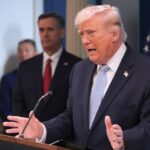
In related international news, the U.S. President has criticized Australia and other Pacific allies for their lack of support in the ongoing conflict with Iran. He specifically mentioned Australia for not contributing to the war effort. While Australia has dispatched a surveillance aircraft and air-to-air missiles to the United Arab Emirates to bolster its defense, government officials maintain that Australia’s stance remains unchanged.
During an interview, a government representative reiterated Australia’s call for immediate de-escalation of the conflict, stressing that the ongoing turmoil is adversely affecting innocent people and disrupting global supply chains, which in turn creates anxiety among Australians.
On the subject of fuel supply, the Shadow Minister for Energy addressed concerns regarding fuel availability. He noted that while supplies are confirmed through May, uncertainties linger beyond that timeframe. Currently, the government monitors fuel deliveries only 30 days in advance, leaving the situation fluid due to the ongoing Middle Eastern crisis.
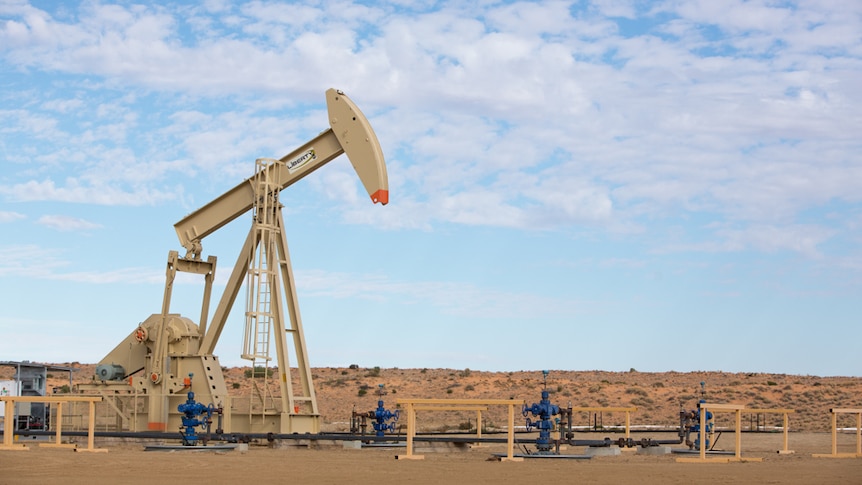
The MP for Hunter and an envoy for men’s health indicated that contingency plans are being developed as the situation evolves. He confirmed that fuel supplies are stable until mid-May but emphasized the need for the government to resume domestic drilling to address the fuel crisis effectively.
While the government has secured fuel shipments into May, there are concerns about transparency regarding potential risks. A call has been made for the government to explore all energy options, including domestic oil drilling and converting coal to liquid fuel, in light of the current energy dependencies.
Another perspective voiced is that while encouraging domestic exploration is valid, it is a long-term endeavor. Current production capabilities are mostly centered on the North-West Shelf, with a significant amount being exported rather than utilized domestically due to cost and suitability issues.
Experts are advocating for the government to enhance fuel reserves to a minimum of 50 days and to consider electrifying long-distance freight transport to ease the pressure on diesel supplies. However, the feasibility of electric truck fleets remains a challenge, particularly regarding charging infrastructure, making them viable primarily for metropolitan operations where trucks can return to base for recharging.
Lastly, the ABC’s Parliament House team is prepared to provide updates throughout the day, anticipating significant discussions surrounding fuel and the ongoing conflict in the Middle East.