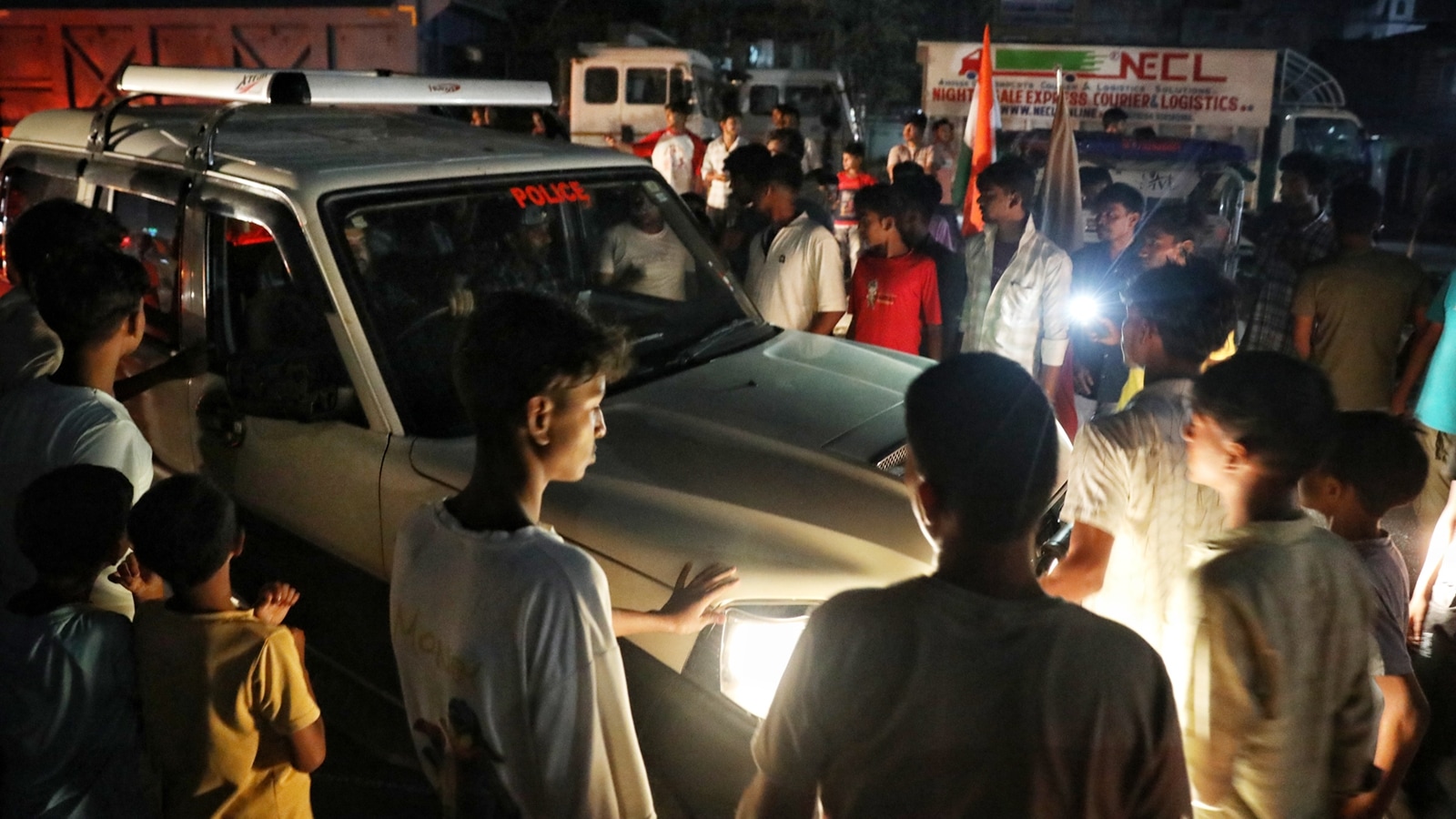

In a critical response to the West Bengal government’s inability to avert the gherao incident involving judicial officers in Malda on April 1, the Supreme Court has mandated that all first information reports (FIRs) filed by local authorities be transferred to the National Investigation Agency (NIA) for a comprehensive investigation.
The bench, consisting of Chief Justice Surya Kant along with Justices Joymalya Bagchi and Vipul M. Pancholi, invoked Article 142 of the Constitution, asserting that the NIA would oversee the inquiry even if the offenses did not typically fall under its jurisdiction.
Additionally, the court reprimanded the Chief Secretary of West Bengal, Dushyant Nariala, and Director General of Police Siddh Nath Gupta for the significant breakdown of law and order in Malda, where judicial officers were held captive for several hours and their vehicles were subjected to attacks during their rescue efforts. The court instructed Nariala to formally apologize to the Chief Justice of the Calcutta High Court over the incident.
After examining a status report submitted by the NIA, the bench highlighted serious accusations against members of the local police. The court permitted the NIA to file additional FIRs if deemed necessary as the investigation progressed.
The Supreme Court specified that the NIA must present its findings to the NIA court located in Kolkata. Furthermore, prior to submitting a chargesheet, the NIA is required to provide ongoing status updates to the Supreme Court detailing the investigation’s developments. The court also directed the state police to promptly transfer all relevant investigation records to the NIA.
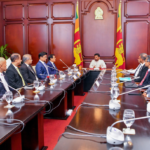
During the virtual appearance of the Chief Secretary, the Chief Justice inquired about the apparent lack of communication, asking, “Mr. Chief Secretary, what seems to be the issue, why was there no response to the Chief Justice’s call?”
The Chief Secretary explained, “There were no calls received from any Kolkata officer on my phone. On April 1, I was in transit to Delhi for a meeting from 2 PM to 4:30 PM, and I did not receive any calls until the evening.”
Justice Bagchi interjected, indicating that phone calls likely came after the Chief Secretary had landed back in Delhi, suggesting that it would have been beneficial for the Chief Justice and the High Court administration if the Chief Secretary had provided his mobile number in advance.
When the Chief Secretary asserted that his mobile number had already been shared, Justice Bagchi quipped that it was often switched off. In response, Nariala contended that it was secure and that connectivity was reliable. However, Justice Bagchi remarked on the irony of the Chief Justice being unable to reach him, urging the Chief Secretary to make himself more accessible.
The Chief Secretary then expressed his sincere apologies for the miscommunication, prompting the bench to instruct him to apologize to the Chief Justice of the High Court directly.
The Chief Justice also scrutinized the DGP’s role during the incident, emphasizing the dual failure of both officials and their administration in maintaining order. He noted, “It is a complete failure on your part that we had to delegate authority to the judicial officers.”
Justice Bagchi criticized the lack of communication not only with the High Court administration but also with the Election Commission of India, which is responsible for issuing directions during emergencies, stating that this communication gap leads to considerable challenges within the state.
The Chief Justice remarked on the tarnished credibility of the West Bengal administration, questioning why the state is perceived as embroiled in political maneuvering. He urged senior officials to work towards improving this public image, stating, “This is not something that should necessitate lectures from us.”
Finally, the Chief Justice made it clear that there would be no reduction in security forces, asserting that their presence was crucial given the past events and indicating that should the state require assistance, they would be prepared to intervene as necessary.