
According to a recent investigation, incidents of fires involving e-bikes and e-scooters in the UK surged to unprecedented levels last year, raising alarm over the safety of lithium batteries and the lack of regulation in online marketplaces.
Data obtained by the Press Association from fire brigade reports indicates that there were at least 432 fires related to e-bikes in the UK in 2025, marking a 38% increase from 313 incidents in 2024 and more than five times the 84 incidents recorded in 2021.
In addition, there were at least 147 e-scooter fires in 2025, a 20% increase from the 123 fires reported in the previous year. These figures were compiled from freedom of information requests sent to the UK’s 49 fire brigades, with 37 providing responses.
The London Fire Brigade (LFB) reported the highest number of both e-bike and e-scooter fires, with totals of 171 and 35, respectively. Nottinghamshire followed with 30 e-bike fires, while Greater Manchester and Avon recorded 13 and 10 incidents, respectively. Outside of London, Greater Manchester also noted the highest number of e-scooter fires, totaling 13, followed closely by Avon with 10.
Battery failures, along with issues related to conversion kits and chargers, are frequently cited as the primary causes of these fires. Products purchased from online platforms pose a greater risk of malfunction compared to those sold by reputable retailers, as they often lack stringent regulatory oversight.
Nick Bailey from BatteryIQ, which specializes in monitoring e-bike battery safety, emphasized that the fires are typically linked to low-cost products marketed through online channels with inadequate quality control. He stated, “There’s also a growing black market for DIY and counterfeit batteries, especially among delivery personnel, often made from battery cells taken from discarded disposable vapes.” He advised against keeping batteries in homes without ongoing monitoring, regardless of the manufacturer’s assurances.
Fires involving lithium batteries can escalate quickly and emit hazardous fumes. A tragic incident last year involved the death of 30-year-old Eden Abera Siem, who succumbed to injuries from a fire in her north London home, believed to have been triggered by a charging e-bike battery.
Lesley Rudd, CEO of the charity Electrical Safety First, expressed deep concern over the proliferation of poorly manufactured batteries and accessories, often sold through under-regulated online platforms. She warned that these products pose significant risks to consumers and lead to dangerous devices entering homes. “Without robust and enforceable regulations, lives remain at risk, and further tragedies may occur,” she cautioned.
Spencer Sutcliff, a deputy commissioner with the LFB, conveyed the brigade’s serious concerns regarding e-bike and e-scooter fires, noting their devastating effects on individuals and communities. He highlighted that firefighters are frequently responding to a concerning number of such incidents.
In response to these risks, privately owned e-scooters have been prohibited from operating within the Transport for London (TfL) network since December 2021. This restriction was extended in March of the previous year to include non-foldable e-bikes after a fire incident occurred on a tube platform at Rayners Lane station.
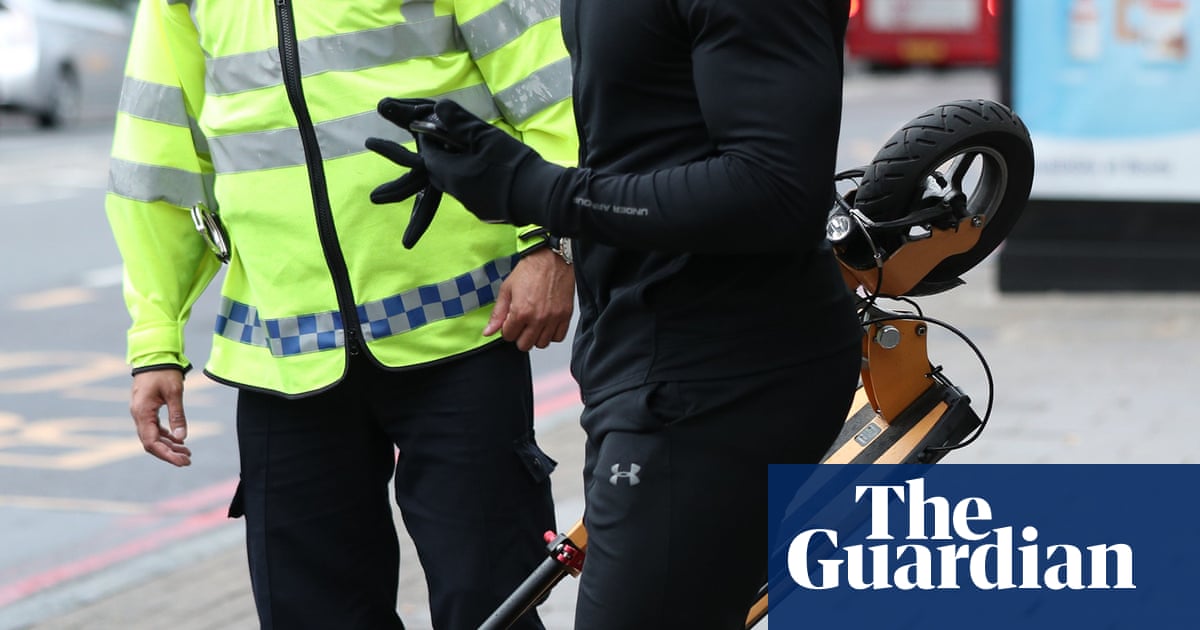
While private e-scooters are banned in public areas across the UK, many are still seen being used illegally in urban environments. Legal trials for rental e-scooter programs have been ongoing in various towns and cities since July 2020.
UK regulations stipulate that e-bike motors must deactivate upon reaching a speed of 15.5 mph. However, law enforcement has observed numerous instances where e-bikes have been modified to exceed this limit.
Sue Davies, head of consumer rights policy at Which?, commented on the increasing prevalence of unsafe products in online marketplaces. “E-bikes and e-scooters are just a few examples of items that pose serious risks to consumers, undermining responsible businesses that adhere to legal standards,” she noted. She welcomed the government’s recent consultation aimed at updating the product safety framework, which includes imposing responsibilities on online marketplaces to prevent the sale of hazardous products by third-party vendors. “These regulations must be robust and enforceable, with clear measures in place to safeguard consumers and mitigate the risk of fires and other dangers,” she concluded.