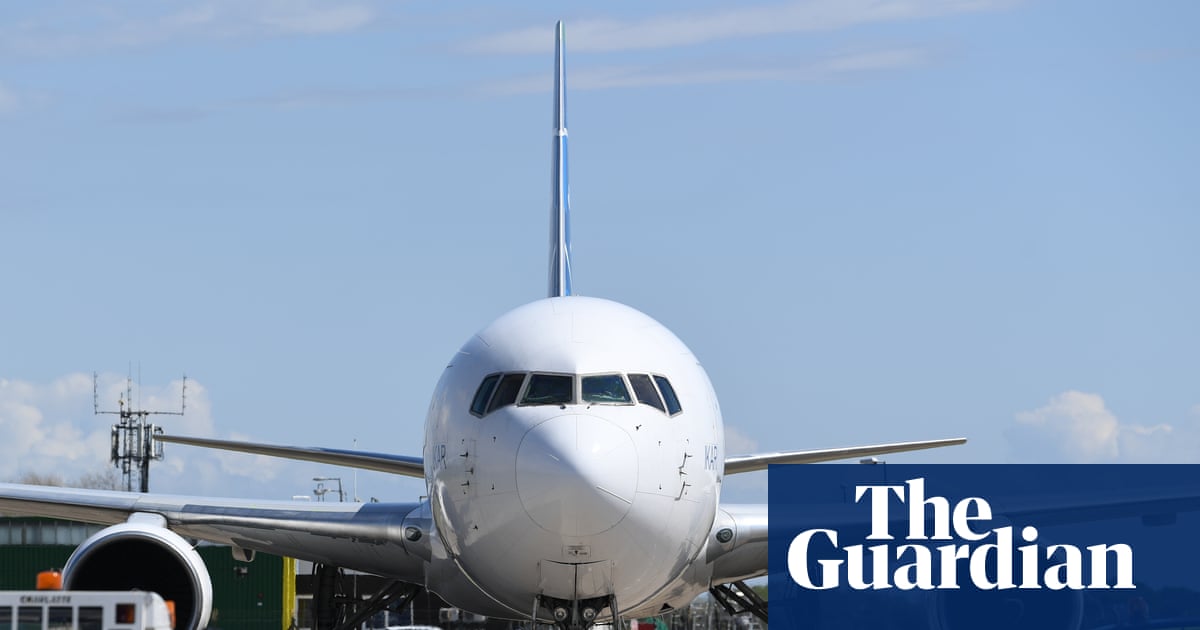

Cardiff Airport has successfully defended itself against a legal challenge initiated by its competitor, Bristol Airport, regarding the legitimacy of a £205 million subsidy package from the Welsh government.
On Tuesday, the Competition Appeal Tribunal issued a unanimous ruling rejecting Bristol Airport’s claims that the government funding created market distortions and violated the Subsidy Control Act.
The Welsh government, which has already allocated £20 million to Cardiff Airport as part of a ten-year support strategy, expressed satisfaction with the tribunal’s ruling. A representative stated, “We sincerely hope both Cardiff and Bristol airports can continue to prosper and expand.”
In response, a spokesperson for Bristol Airport conveyed disappointment, stating, “We regret that the tribunal has determined that, despite the financial implications for taxpayers, the flexibility afforded by the new Subsidy Control Act post-Brexit allows this subsidy to move forward. We will take time to thoroughly review the decision before determining our next steps.”
The rivalry between the two airports dates back to 2013, when the Welsh government intervened to purchase Cardiff Airport for £52 million, a price significantly above its market valuation, following a decline in passenger numbers after the withdrawal of the budget airline Bmibaby.
This intervention was notable in the UK, where most airports operate under private ownership. Despite receiving £200 million in financial support since nationalization, Cardiff Airport has yet to achieve profitability, with passenger traffic still below pre-pandemic levels; in 2025, 963,000 travelers used the airport, a sharp decline from the 2 million recorded in 2007.
In April of the previous year, the Welsh government unveiled a new subsidy plan totaling £205 million, to be distributed over a decade. Approximately half of this funding is allocated for the development of new flight routes, with the remainder designated for maintenance services, hangars, and cargo capacity enhancements.
Bristol Airport filed an appeal with the tribunal three months later, contending that the magnitude of the subsidy was unprecedented in the UK aviation sector and constituted a violation of competition regulations.
Last month, Bristol Airport submitted proposals to increase its capacity by an additional 3 million passengers annually, which includes runway expansion to facilitate long-haul flights. In 2022, the airport received approval to expand its capacity from 10 million to 12 million passengers per year, a decision that faced opposition from local residents’ groups.
A UK government white paper from 2003 suggested the closure of both airports in favor of constructing an artificial island facility in the Severn Estuary to better serve the surrounding areas. Recently, a ranking of larger UK airports revealed that both Bristol and Cardiff ranked poorly due to their lack of rail connections, with Bristol placed 27th and Cardiff at the bottom in 30th position.