
Politicians from the Commonwealth are standing firm in their pursuit of reparations, despite warnings from notable figures in the UK, including a former member of Reform UK, that the party’s promise to “punish” nations seeking justice for slavery could isolate Britain on the global stage.
This week, Reform UK announced its intention to revoke visas for citizens of countries that officially request reparations from the UK if they gain power.
Arley Gill, who leads the Grenada Reparations Commission, criticized the party’s stance, stating, “It is concerning that they perceive a British visa as a privilege after years of colonialism and invasion against our people.”
Last month, a resolution led by Ghana, which condemned the historical transatlantic slave trade as “the gravest crime against humanity” and called for reparations, was adopted by the United Nations General Assembly.
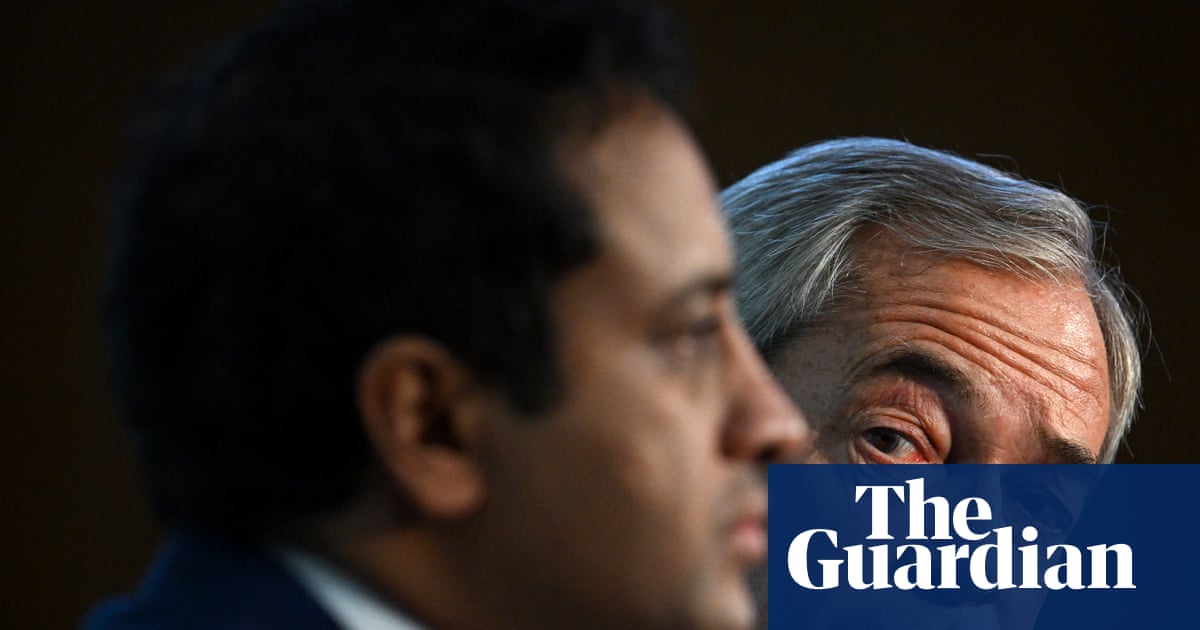
Zia Yusuf, the home affairs spokesperson for Reform UK, expressed on Monday that the UK is being “mocked internationally,” asserting, “While countries such as Jamaica, Nigeria, and Ghana increase their reparations demands, the establishment in Westminster has rewarded them. This has gone too far.”
Sri Lanka, the country from which Yusuf’s parents emigrated, is also among those seeking compensation for colonial injustices from the UK.
On Tuesday, Ralph Gonsalves, the opposition leader and former prime minister of St. Vincent and the Grenadines, accused Nigel Farage of imitating Donald Trump by using divisive cultural issues that could further isolate Britain. “Those of us in the Caribbean advocating for reparations will not be intimidated by such rhetoric,” he remarked. “The legacies of genocide and the enslavement of Africans continue to impact us today.”
The UK has yet to issue a formal apology for its role in slavery.
Hilary Beckles, chair of the Caricom Reparations Commission, emphasized the importance of “international dialogue,” stating, “It is tragic to suggest that victims of such a significant crime seeking justice should be punished additionally.” He pointed out that many nations have received apologies or reparations for similar injustices, highlighting the ongoing issue of systemic racism that affects perceptions of Black people’s entitlements. Beckles expressed confidence that the British public and government would ultimately recognize the need for constructive dialogue.
In response to criticisms, Farage claimed on Tuesday that the UK had spent “four decades at sea working to eradicate slavery globally.”
Gill responded to Farage’s comments by noting a “disturbing ignorance” regarding the historical context, recalling that British taxpayers once compensated enslavers.
Recently, the UK and Nigeria forged a £746 million agreement, under which the UK will finance the refurbishment of two significant ports in Lagos. This deal includes a £70 million contract with British Steel, a company in Lincolnshire that has a Reform UK mayor.
Neville Watson, who was the only Black branch chair for Reform UK until his departure last year after advocating for reparations, criticized the party’s position for potentially punishing nations that raise legitimate historical grievances and exacerbating skill shortages in the UK. He remarked that the UK-Nigeria trade agreement illustrates that “our prosperity is rooted in collaboration,” warning that the proposed visa policy could undermine trade and diplomatic relations.
Antoinette Fernandez, reparations officer for the Global Majority Greens, noted that Britain abolished slavery due to persistent uprisings by enslaved individuals, which made the practice unprofitable. She emphasized that reparative justice aims to address not only historical wrongs but also the ongoing exploitation of African nations, which continue to supply vital resources to Europe while receiving inadequate compensation.
Bell Ribeiro-Addy, a Labour MP and chair of the All-Party Parliamentary Group on African Reparations, termed Reform’s policy a “provocative absurdity,” asserting that reparatory justice encompasses more than just financial compensation. “The demand is for acknowledgment, truth, and systemic restoration,” she stated, adding that Reform’s approach appears to dismiss these fundamental aspects. Ribeiro-Addy warned that the party’s stance threatens the descendants of enslaved individuals for demanding recognition of the transatlantic slave trade as a crime against humanity, reflecting a worldview that is increasingly outdated.
Clive Lewis, Labour MP for Norwich South, stated, “The total death toll from slavery may exceed twenty million. We must confront this history honestly, not as an act of self-punishment, but because failing to hold power accountable perpetuates atrocities across generations.”
Since Brexit, the UK has sought to fill skill shortages in various sectors, including education, healthcare, and social services, by looking to its former colonies in Africa, the Caribbean, and Asia.
During a press conference on Tuesday, when Farage was asked if the party had assessed the financial implications and effects on UK employers regarding the proposed visa restrictions, he stated that the policy would not be retroactive.
While Keir Starmer has previously declared that the UK would not provide reparations, Downing Street has indicated a willingness to support certain forms of reparative justice, such as restructuring financial institutions and offering debt relief.