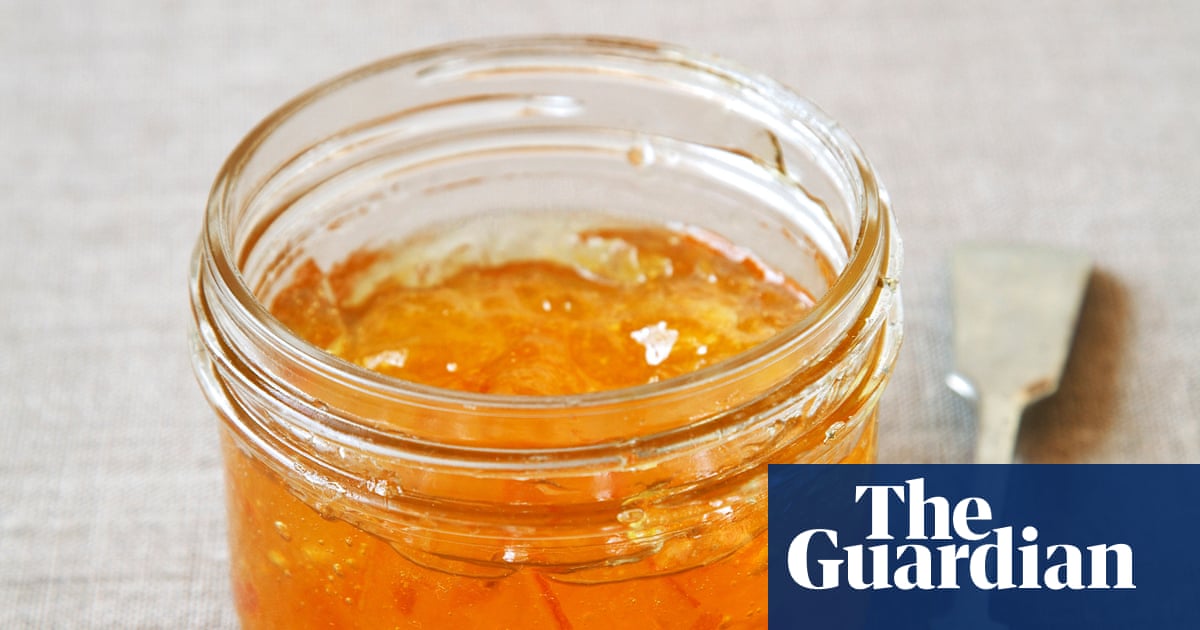

As a citizen of both Portugal and Britain, I feel compelled to contribute to your article discussing the potential rebranding of marmalade (Keir Starmalade, anyone? Will marmalade really have to be rebranded in UK?, 4 April) by clarifying the term’s origins. The word “marmalade” is derived from the Portuguese word “marmelo,” which means quince. Traditionally, marmalade referred to quince jam in Portugal, which began being exported to England at the close of the 15th century. It wasn’t until the 17th century that the English began using the term to describe orange jam. This reflects a broader trend where many British staples, such as tea, were adopted and adapted by the English. I appreciate this story as it beautifully intertwines my two national identities.
Your piece regarding the supposed rebranding of marmalade brought a smile to my face, as the name has always been somewhat misleading. Since it originates from Citrus x aurantium rather than Citrus x sinensis, it would be more accurate to refer to it as bitter orange marmalade. Perhaps the EU and the UK could reserve the contentious discussions for more pressing issues?
The most positive aspect of Brexit might be described as a promise of future benefits, though even that appears to be misleading—except in the most literal and detrimental way.
If you have thoughts on any articles featured in the Guardian today, please consider sharing your perspective via email for potential inclusion in our letters section.