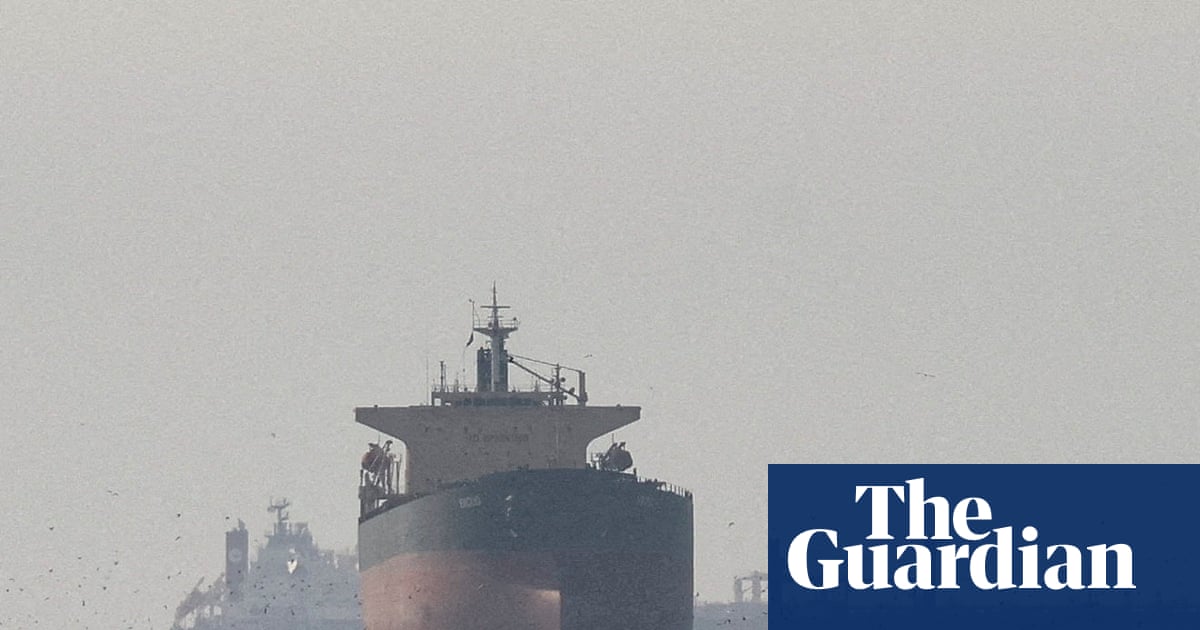

Shipping experts assert that a significant influx of vessels through the Strait of Hormuz is unlikely to occur, despite a recent two-week conditional ceasefire agreement between the United States and Iran, which includes provisions for the temporary reopening of this vital maritime passage.
According to Richard Meade, editor-in-chief at Lloyd’s List Intelligence, the ceasefire does not alter the existing dynamics, as Iran continues to maintain control over the waters. He emphasized that vessels must still seek permission to transit, which means that without such authorization, ships cannot pass. “Nothing has changed—no permission means no transit,” Meade stated.
The United Nations reports that approximately 2,000 ships and 20,000 seafarers have been stranded in the Gulf since the onset of conflict in late February, unable to navigate through the strait to resume their routes. The stranded vessels include oil and gas tankers, bulk carriers, cargo ships, as well as six tourist cruise liners.
Meade noted that some shipowners have instructed their captains to conduct safety assessments in preparation for potential departures. However, he expressed skepticism regarding a large-scale movement of vessels from the Gulf anytime soon, stating, “Expectations for a mass exodus should be tempered. Until shipowners receive specific guidelines on what is required for exiting the strait, they will likely remain on standby.” He indicated that current conditions do not suggest any significant changes from the previous status quo.
Under Iran’s 10-point ceasefire initiative, Foreign Minister Abbas Araghchi confirmed that safe passage through the strait would be managed by Iranian military forces. This arrangement would continue Iran’s earlier system of traffic control, wherein passage was permitted for “non-hostile vessels,” which Iran defines as those not associated with the U.S. or Israel.
In recent weeks, only a small number of ships—around two dozen daily—have been able to transit the strait, a stark contrast to the pre-war daily average of approximately 140 crossings. Reports also indicate that Iran and Oman may impose a fee of up to $2 million (£1.5 million) on vessels passing through the strait.
Since the conflict began, most vessels have chosen to remain anchored in the Gulf to safeguard their crews and ships, following multiple attacks on vessels in the region and the fatalities of several crew members.
Arsenio Dominguez, the head of the International Maritime Organization (IMO), expressed support for the ceasefire and called for a safe evacuation plan for seafarers in the Gulf. “I am actively collaborating with the relevant parties to establish a mechanism ensuring the safe transit of ships through the Strait of Hormuz. Our primary focus is on facilitating an evacuation that guarantees navigational safety,” Dominguez stated.
Before the ceasefire, there was a slight uptick in the number of vessels transiting the strait, attributed in part to an increase in shipments associated with Iran. Ships that have been navigating the waters have opted for a newly developed maritime route, which deviates from the traditional commercial lanes used prior to the conflict.
Iran has rerouted vessels through a northern corridor within its territorial waters, between Larak Island and the mainland, which enables Iranian authorities to oversee and authorize ship movements. Analysts have cautioned that if this route continues to be utilized, it could further limit the number of vessels able to navigate through the narrow and congested strait. Many doubt that traffic will revert to its normal levels during the two-week ceasefire.