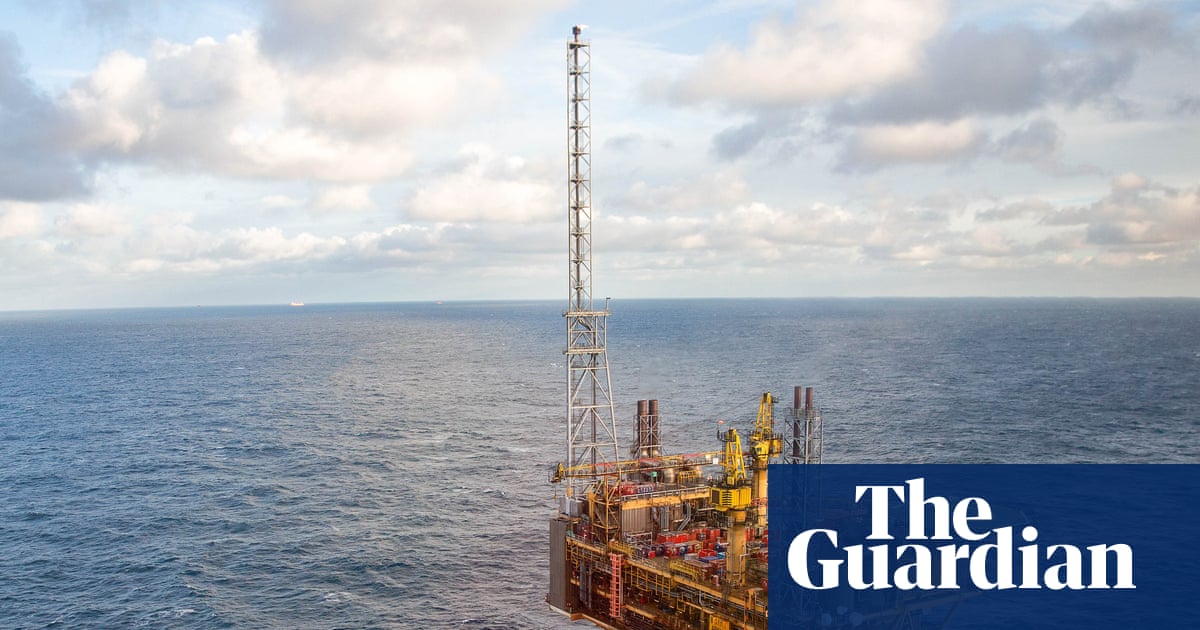

Experts have raised alarms that the opening of new oil and gas fields in the North Sea could have profound global repercussions, jeopardizing international climate objectives, diminishing the UK’s role as a climate leader, and potentially encouraging developing nations to exploit their fossil fuel resources.
The UK government is facing significant pressure from the oil sector, the Conservative Party, Nigel Farage’s Reform UK party, select trade unions, and some Treasury members to approve new oil and gas projects. However, substantial evidence indicates that such actions would not lower prices and would have minimal impact on import levels.
The North Sea still contains two of its largest oil fields, which are part of the licensing system despite the region being over 90% depleted. Research suggests that the Rosebank and Jackdaw fields would only replace about 1% and 2% of the UK’s gas imports, respectively, if developed.
Prominent figures in global climate diplomacy have cautioned that drilling in new fields poses a significant threat to worldwide initiatives aimed at reducing greenhouse gas emissions and phasing out fossil fuel reliance.
Nicolas Stern, a professor at the London School of Economics, stated, “Initiating new drilling while slowing down climate action would be detrimental to both the UK’s economic growth and energy security, and it would send a harmful message to the international community.”
Lord Stern emphasized the importance of the UK’s leading role in climate initiatives, noting that it was the first G7 country to commit to achieving net-zero emissions by 2050 through its robust climate legislation and international collaboration. “The UK’s actions are closely observed by the world because it has set a precedent as a climate leader,” he added.
An anonymous senior negotiator from Africa expressed outrage at the notion of the UK expanding its oil drilling activities. They argued that such a decision would contradict the principles of the Paris Agreement and erode trust with nations most affected by climate change. “At a time when scientific consensus emphasizes the urgent need to shift away from fossil fuels, new oil exploration by a historically significant emitter is both contradictory and regressive,” they remarked.
Christiana Figueres, former executive secretary of the UN Framework Convention on Climate Change and co-founder of the Global Optimism think tank, noted that both economic considerations and the risks of climate change argue against pursuing new oil and gas projects. “While nations must seek greater energy security in the current geopolitical climate, reverting to past solutions like expanding fossil fuel extraction threatens to entrench outdated infrastructure that misaligns with the future of the global energy landscape. True energy independence lies in advancing clean, domestic energy sources, not in prolonging declining industries,” she stated.
The UK has been a vocal supporter of an upcoming global conference in Colombia focused on transitioning away from fossil fuels, a commitment agreed upon three years ago but not yet acted upon. However, sources indicate that Ed Miliband, the UK’s Secretary of State for Energy Security and Net Zero, will not be attending the conference, which will host representatives from around 50 nations. Instead, Rachel Kyte, the government’s climate envoy, is expected to participate.
Advocates had urged Miliband to attend, given his instrumental role in securing a last-minute agreement at the COP30 climate summit in Brazil last November. Experts warn that if the UK were to grant licenses for new oil fields prior to the conference, it could hinder efforts to persuade developing countries to abandon fossil fuel dependency in favor of cleaner energy alternatives.
Mohamed Adow, director of the Power Shift Africa think tank based in Nairobi, expressed concern that the UK’s approval of new oil and gas initiatives would signal to the world that immediate interests are being prioritized over long-term responsibilities. “I fear the implications this would have for other nations,” he said.
Many developing countries are contemplating the development of their oil and gas reserves rather than investing in renewable energy. Such actions could exacerbate carbon emissions, moving far beyond necessary limits to prevent severe climate consequences.
Adow emphasized the challenge faced by African nations, which are encouraged to transition to clean energy systems amid limited financial resources. “We are often told by wealthier nations that the future lies in renewables, and we are showing that it is indeed possible. However, when developed countries continue to invest in fossil fuels, it undermines this message and weakens their credibility,” he asserted.
A senior development official from an international organization highlighted the urgency of the situation. “Developing countries are already questioning why they shouldn’t exploit their fossil fuel resources if the UK is doing so. This is a valid point, and it underscores the need for strong leadership,” they remarked.
An ally of Miliband emphasized that the decision against new exploration licenses represents a significant global leadership stance, demonstrating that a major, developed oil and gas producer can align its actions with climate science to avert catastrophic global warming. “Miliband has faced political backlash to uphold this position, and the calls for him to take even bolder steps indicate how far he has expanded the dialogue on this issue,” they concluded.
The government has been approached for comments regarding this matter.