
The complexities of operating a kitchen amid the rising costs of limited and expensive fuel are becoming increasingly evident throughout the city. The financial implications of this situation, which had been absorbed quietly for several weeks, are now showing up on restaurant bills.
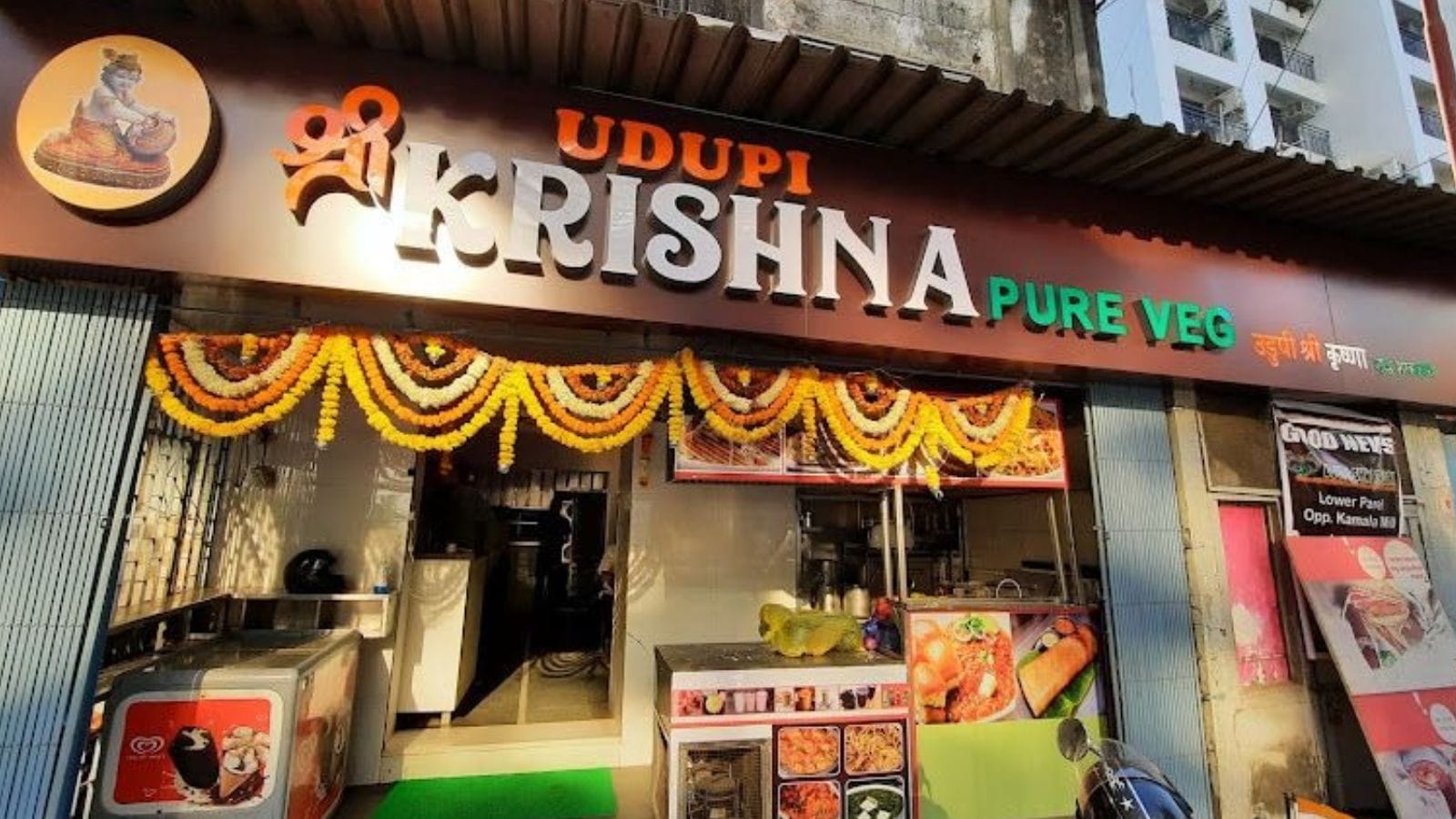
Vijay Shetty, the proprietor of Udupi Shri Krishna in Lower Parel and president of the Indian Hotel & Restaurant Association (AHAR), noted that many dining establishments in Mumbai have already raised their prices by 10 to 20 percent.
“Expenses for vegetables, cooking oil, plastic delivery containers, and the induction stoves that many were forced to buy overnight have all contributed to this increase,” he explained, mentioning that a wide range of their members, including quick-service restaurants, vegetarian eateries, and fine dining places, have adjusted their pricing accordingly.
The crisis began subtly when a government directive on March 5 instructed oil marketing companies to prioritize LPG supplies for domestic usage. This led to hoarding, black market activity, and a significant reduction in supply.
Restaurants of all types, from upscale venues to small local diners and bakeries that had to abandon their wood-fired ovens due to legal requirements, suddenly found themselves facing a fuel shortage. The cost of a gas cylinder on the black market skyrocketed to Rs 4,000 or more. Many restaurants initially chose to absorb these costs, but that option is quickly dwindling.
At Udupi Shri Krishna, a popular lunch destination for office workers in Kamla Mills, prices have surged by 20 percent. For instance, the Veg Sandwich has increased from Rs 70 to Rs 90, while Pav Bhaji has risen by Rs 15, Cheese Pav Bhaji by Rs 20, and Uttapam by Rs 15.
Shetty indicated that while the situation has improved somewhat, it remains inadequate. Currently, he is receiving one or two cylinders each week, far less than the daily need of one cylinder. “Even 20 percent of our requirement is insufficient; we need that just to prepare meals for our staff,” he commented. Additionally, his menu has been reduced by 30 percent, with Dosa no longer available at Udupi Shri Krishna and many other establishments throughout the city.
The frustration extends beyond logistical challenges. “During the pandemic, restaurants were deemed essential services. This time, that acknowledgment has not been extended, even though countless individuals depend on us for their daily meals,” Shetty lamented.
In response to the ongoing crisis, the government is urgently promoting the use of Piped Natural Gas (PNG) in urban areas instead of Liquefied Petroleum Gas (LPG). In light of this, AHAR has established a camp at its Wadala office to assist restaurant owners in applying for PNG connections.
“We have been informed that those who apply for the connection will receive cylinders on a priority basis in the meantime,” he stated.
At Aram Vada Pav in CSMT, prices have yet to be adjusted, but a decision has been made to increase them by 7 to 10 percent starting April 13. Kaustubh Tambe, 55, a third-generation operator of the business, commented, “The price of oil has increased by Rs 100 to Rs 125 within a month. The cost of coal, which we have had to switch to out of necessity, has risen from Rs 38 to Rs 60.” Last week, they received four cylinders, although they require two cylinders daily.
The menu has been curtailed in ways that resonate with the loyal customers. “We no longer offer mirchi with the vada pav, upma, or upvas missal,” Tambe noted.
At the 118-year-old American Express Bakery, the baking process continues with electric and diesel ovens, but the fillings for puffs and sandwiches still depend on gas. They are currently receiving one cylinder every 20 to 25 days. “We have halted bulk walk-in orders and reduced production by about 30 percent,” said Yohann Carvalho, representing the fourth generation of the family business. While they will maintain prices for bread and core items, “we will have to raise prices for puffs and sandwiches by 10 to 15 percent, likely by mid to late May.”
Vienna Bakery, a 67-year-old institution in Vakola, will maintain current prices until April 15. “Everything has increased—gas, fats, oils, packaging,” stated Tara Raj, whose grandfather founded the bakery. When they do raise prices, it will be by 10 to 15 percent across the board. The bakery has been operating on a single cylinder since the crisis began.
Shree Thaker Bhojanalay, which temporarily closed during the peak of the crisis, has resumed operations using a combination of gas cylinders, coal, and induction stoves. “The costs of everything—coal, milk, vegetables, and all raw materials—have escalated. We have not increased prices yet, but we are considering it,” said owner Gautam Purohit.
At Jhama Sweets in Kalbadevi, Vicky Lulla paused production entirely for several days before securing diesel-fueled bhattis and induction ovens. Jalebis, which require consistent high-heat cooking, have now transitioned to induction. “We haven’t raised prices yet, but if this persists, we may have to,” he warned.
Omaish Siddique at New Edward Bakery in Fort recently received three cylinders and is operating at full capacity, aided by an electric stove. “Wholesale prices cannot change unless the entire association acts together,” he explained. However, prices at his retail counter have already risen, with ladi pav increasing from Rs 12 to Rs 15, along with hikes for khari toast and butter.
Pradeep Shetty, a spokesperson for the hospitality industry association HRAWI, indicated last week that since the conflict began on February 28, operational costs in the hospitality sector have surged by approximately 20 percent. “Hospitality businesses may have no choice but to consider raising their prices to partially offset the growing cost burden,” he noted.
Nevertheless, those who have managed to find some stability are doing so through creative solutions. Abhishek Shetty at Hotel Sadanand received three cylinders last week and anticipates two more this week; they have submitted an application for PNG. “Currently, we are obtaining 20 to 30 percent of our LPG needs, which is helping us to continue operations.” The thali menu has subtly expanded, now offering two additional vegetables, and sambhar has returned to being cooked on gas instead of induction, marking small signs of a return to normalcy.