
According to the prisons inspector for England and Wales, jailed individuals involved in drug trafficking should be treated similarly to radical extremists and managed more strictly. Charlie Taylor, who holds the position of HM inspector of prisons, expressed concerns that significant drug dealers are able to operate within prisons without facing consequences. He advocates for their separation from the general inmate population, regular searches for contraband such as mobile phones, and a system of rewards and punishments based on their behavior.
These calls for a comprehensive reevaluation come in response to concerns raised by Members of Parliament regarding the ongoing cycle of violence and disorder stemming from the rampant drug trade within high-security facilities that house some of the most dangerous offenders in England and Wales.
In a recent interview with the Guardian, Taylor emphasized that members of organized crime syndicates often enter prisons and quickly resume their operations, generating significant profits almost immediately. He noted that the current environment appears to lack accountability for these individuals. “We need to consider a more assertive management approach within prisons,” he stated, highlighting the importance of clearly communicating to these offenders that participation in the prison’s standard activities necessitates an end to their drug trafficking.
Taylor also referred to the successful implementation of separation units for Islamist extremists as a model that could effectively enhance prison operations. “We’ve seen a positive impact from isolating radicalizers, which has brought relief to prison governors,” he remarked.
A report from the justice select committee revealed that drug use in prisons is widespread, contributing to violence and financial difficulties among inmates. The findings indicated that over 10% of male inmates and nearly 40% of female inmates develop drug dependencies while incarcerated, with a large proportion of prisoners reporting easy access to drugs.
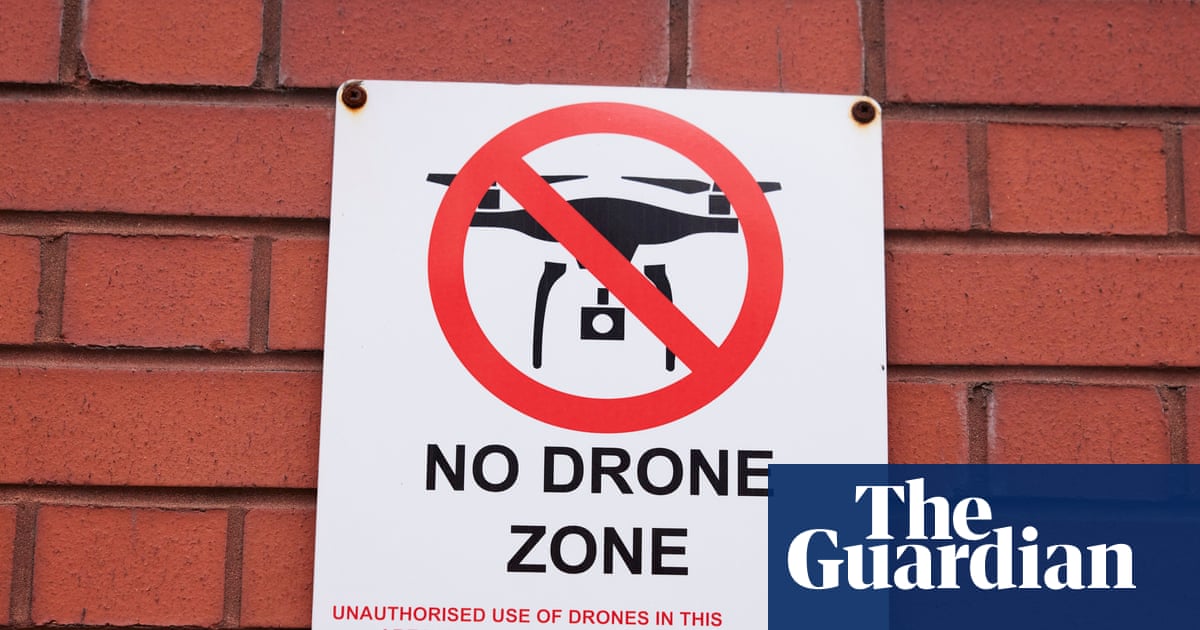
Recent inspections of three out of eight long-term high-security prisons—HMP Manchester, HMP Swaleside, and HMP Woodhill—identified escalating violence linked to drug use. Taylor pointed out that the use of drones to circumvent prison security has emerged as a significant national security issue, particularly given their capability to transport weapons into facilities like HMP Long Lartin, which houses terrorist offenders.
He criticized the slow response of the Prison Service and other government entities to this drone threat, stating, “If weapons can be smuggled into HMP Long Lartin, which holds long-term sentences for terrorist offenders and organized crime members, it poses a national security risk.”
Furthermore, Taylor noted that drones are now being utilized to deliver substantial quantities of contraband directly to prisons. He recounted an incident where an 11-kilogram package containing mobile phones, chargers, prescription drugs for weight loss and hair restoration, anabolic steroids, and large amounts of cannabis was intercepted.
As Taylor’s six-year term as chief inspector approaches its end, he expressed concerns that the Prison Service has not adequately prepared for the current influx of prisoners being recalled. Following a recent policy change effective March 31, individuals returning to custody for violating license conditions will now serve a minimum of 56 days, rather than the previous short-term recalls of 14 or 28 days.
“I don’t think the Prison Service has adequately planned for these 56-day recalls,” Taylor remarked. “What should be expected of these prisoners during this time? Will it simply become a revolving door? This poses a significant risk to public safety.”
He warned that there could be heightened risks to survivors of domestic abuse, as released ex-offenders may lack proper reintegration support. Taylor explained that the current judicial process has shifted, leading to individuals being arrested and held on remand until trial, often resulting in their release without sufficient support systems in place.
In response to Taylor’s recommendations regarding the isolation of drug dealers, the Ministry of Justice did not provide a direct answer. A spokesperson acknowledged the challenges faced by the prison system and reiterated the government’s commitment to addressing these issues, highlighting an investment of over £40 million in enhanced prison security measures, including a $10 million allocation for anti-drone initiatives.
The Ministry of Justice emphasized that the new 56-day recall framework allows for more thorough risk assessments to safeguard the public.