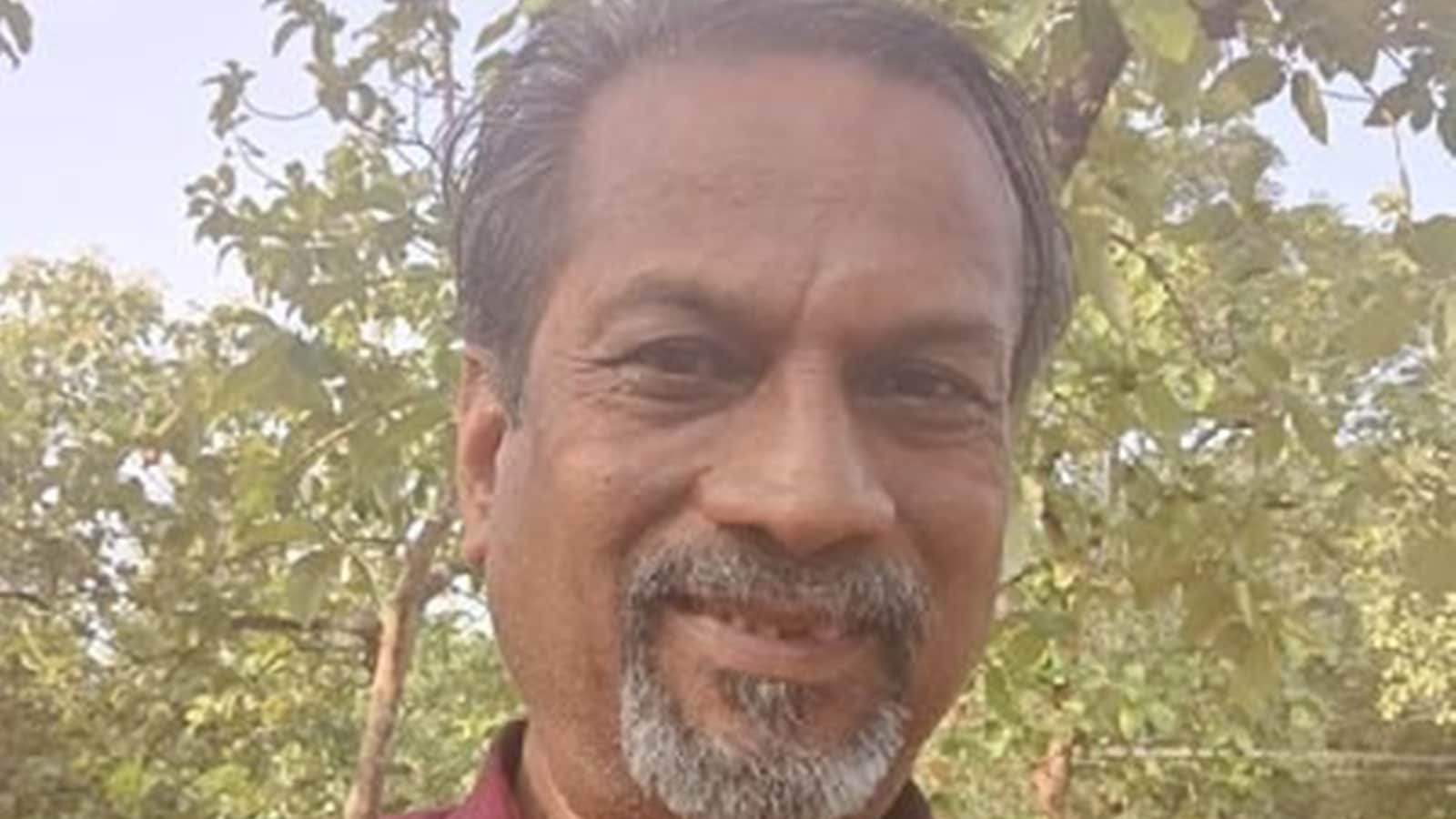

Sridhar Vembu, the co-founder of Zoho, has sparked significant online discussion with his recent post advocating for individuals to reconsider relocating to their ancestral villages in Tamil Nadu. He highlighted the immense, yet often overlooked, talent and potential within rural communities, stating that with adequate infrastructure and opportunities, these villages could evolve into hubs of innovation and economic development.
Vembu’s comments were prompted by a conversation regarding smaller towns like Papanasam, Neduntheru, and Ayyampettai, where dwindling populations have resulted in historic temples lacking caretakers. This trend has followed decades of migration toward larger cities such as Mumbai, Delhi, and Bengaluru.
He pointed out that the Thanjavur district has seen a considerable loss of talent over the last four decades, leading to numerous homes and temples being abandoned throughout the area.
“It’s time to return,” he stated. Vembu also mentioned ongoing initiatives aimed at fostering rural development, revealing that Zoho has set up offices in rural Tamil Nadu, including a facility near Kumbakonam.
“We are contributing to this cause – we have established an office and are constructing a campus near Kumbakonam. Additionally, we are financing Yali Aerospace, a drone startup located in Tanjavur town. There is still much work to be done,” he elaborated.
The post has gained traction, eliciting a variety of responses. One user suggested, “Individuals approaching retirement should consider going back to their villages. Our native villages could serve as retirement communities, where we can positively impact education, healthcare, sanitation, and temple upkeep. This could become a movement for all communities.”
Conversely, another user remarked, “The trend of moving from rural areas to urban centers is on the rise. Definitions and expectations surrounding quality of life have evolved. Unfortunately, unless there are substantial changes, reversing this migration trend or even halting it seems extremely challenging, if not impossible.”
A third commenter expressed support for Vembu’s initiative but cautioned, “While I respect this effort, migration has often been driven by survival rather than choice. Will the local ecosystem accommodate everyone, or only those with specific skills? We cannot simply urge people to come back without addressing their distinct economic situations. It’s about more than just establishing offices.”