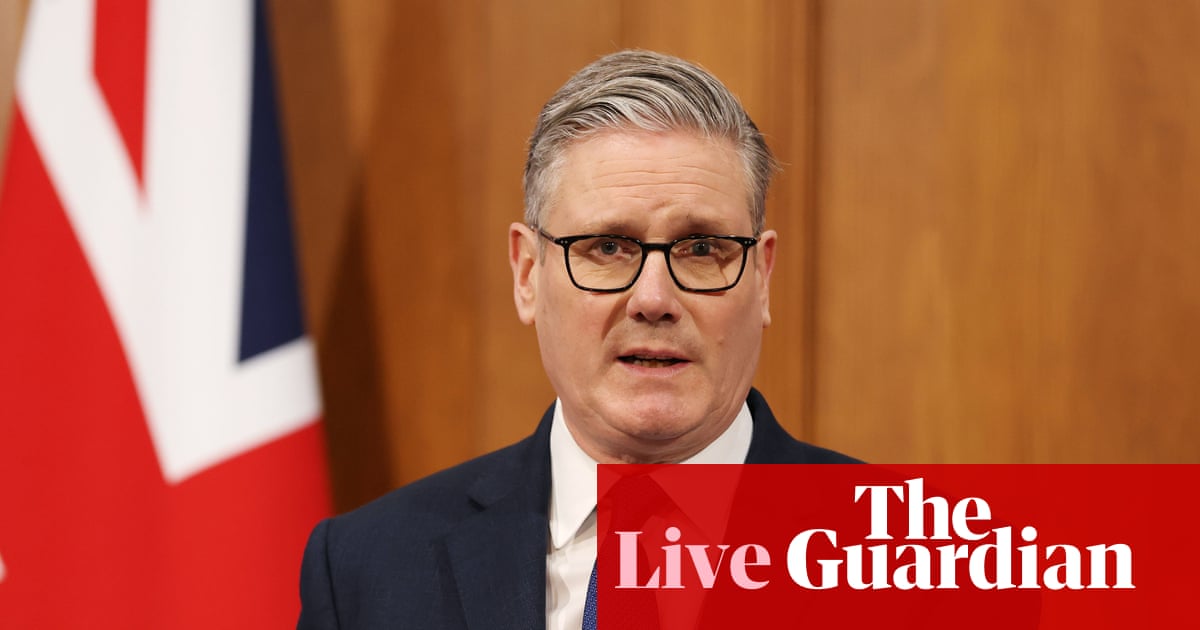

Keir Starmer has landed in Saudi Arabia as part of his visit to Gulf nations aimed at advocating for a sustainable resolution to the ongoing conflict with Iran, according to reports from the Press Association. The Prime Minister is anticipated to engage in discussions with Gulf leaders regarding effective strategies to support the cessation of hostilities and to ensure the uninterrupted flow of oil and gas through critical shipping lanes.
Additionally, he is likely to express gratitude to the armed forces from the UK and its allies stationed in the region.
Meanwhile, experts and activists have criticized Reform UK’s commitment to issue new licenses for oil and gas exploration in the North Sea. Laura Anderson from the Energy and Climate Intelligence Unit, an organization dedicated to promoting thoughtful dialogue on energy policies, remarked, “The North Sea is a mature oil and gas region that is in a long-term decline, a geological fact that no political rhetoric can alter. Even with new licenses, overall production will continue to diminish, meaning that any strategy focused on expanding oil and gas operations risks pursuing a dwindling resource rather than planning for a sustainable future.”
Sandra Bell, a climate activist with Friends of the Earth, added, “Any political party genuinely representing the interests of ordinary citizens should be proposing measures that effectively lower energy bills and protect vulnerable households from price fluctuations, rather than endorsing new oil and gas projects in the North Sea that won’t alleviate rising costs. Approving projects like Rosebank and Jackdaw would only marginally reduce the UK’s dependence on foreign oil and gas, keeping the nation reliant on costly and unstable fossil fuels that are leading us towards another energy crisis. Advocating for these as a solution to our energy challenges is entirely disconnected from reality.”
Libby Brooks, the Guardian’s correspondent in Scotland, reported on a recent press conference held by Reform UK in the northeast, where the atmosphere was notably positive. Scottish leader Malcolm Offord employed a lighthearted approach when addressing the media. When questioned about whether he was a part-time leader due to his Easter weekend participation in a yachting event, he laughed off the inquiry, stating, “Heaven forbid a man has a holiday.”
He also dismissed inquiries regarding past offensive or Islamophobic tweets made by Holyrood candidates, labeling it a “slippery slope” to scrutinize social media accounts from a decade ago and indicated his choice not to delve into such matters.
Notably, in January, Nigel Farage mentioned to the Guardian that the party’s candidate vetting process had been “poor in the past” but assured that it would improve moving forward, emphasizing their commitment to ensuring that candidates for the Scottish Parliament are suitable for public consideration. The question of whether past offensive remarks are relevant to the “fit and proper” criteria remains uncertain, particularly in light of Offord’s own controversial joke made during a Burns Supper in 2018.
Many inquiries during the press conference centered around the latest Ipsos poll for STV, which painted a dismal picture for Scottish Labour, showing a decline of five points to 15% in constituency voting intention, putting them in close competition with Reform UK. The SNP continues to lead with 39%, an increase of three points since March, while SNP leader John Swinney has seen a four-point rise in his approval ratings.
In contrast, Offord’s ratings have declined by 4.5 points since March, suggesting that his increased visibility on the campaign trail may not be benefiting him. With the potential for tactical voting and a climate of voter uncertainty, it’s noteworthy that 42% of voters indicate they might still change their choices before election day. Moreover, supporters of Reform UK and the SNP appear to be more resolute in their voting intentions compared to those of other parties.
As the possibility of a minority or coalition government remains plausible after the May elections, it is significant to mention that 32% of the electorate would welcome the Scottish Liberal Democrats having a role in the Scottish government. With the Scottish Lib Dems actively campaigning to gain additional seats beyond their strongholds, their influence could prove crucial in the upcoming election.
During the same Reform UK press conference in Aberdeen, Libby Brooks inquired about the party’s stance on Scottish independence and its sustainability, particularly if the May elections yield results favoring parties advocating for the breakup of the UK in Edinburgh, Cardiff, and Belfast.
Offord responded, asserting, “In Scotland, we are advocating for an end to discussions about referendums. There is no public interest in this topic, and we should focus on making Scotland the most prosperous part of the UK instead.”
This position makes Offord somewhat vulnerable, as he has previously hinted at being open to a second independence referendum. The Scottish Conservatives have seized on this in their campaign, positioning themselves as the sole party committed to safeguarding the union.
When asked about how many Reform candidates have previously supported independence, Offord noted that three out of 73 candidates had shown such tendencies in the past.