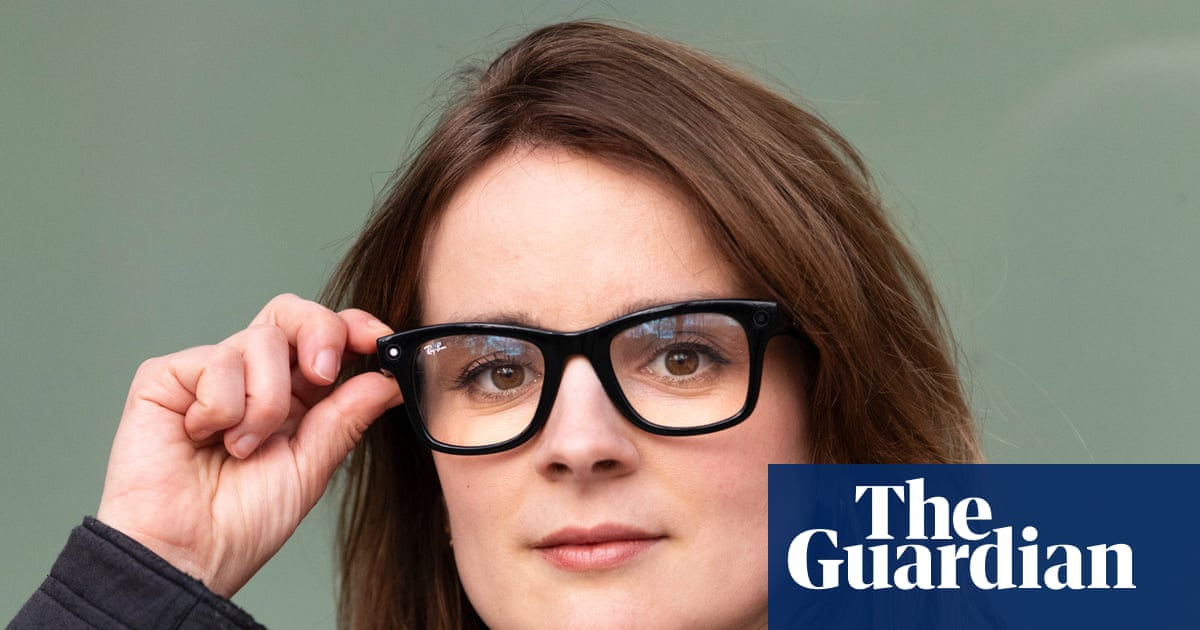

In response to Elle Hunt’s reflections on privacy concerns surrounding Meta’s smartglasses, I empathize with her apprehensions. The ongoing advancement of technology and the establishment of protocols to safeguard public privacy are indeed essential. As the CEO of a charity dedicated to assisting individuals with visual impairments, I want to highlight a crucial aspect mentioned in the article: the remarkable impact this technology is already having on blind individuals.
We are witnessing a notable increase in the use of Meta glasses by our visually impaired staff and clients, who are utilizing them alongside their smartphones to enhance their ability to carry out everyday tasks that many take for granted. Visual impairments can lead to feelings of disempowerment and isolation. However, tools that can read bills, provide bus arrival times, make calls when hands are occupied, and read cooking instructions are restoring a sense of independence that many visually impaired individuals have lost.
It is important to note that the visually impaired community, which comprises over two million people in the UK, may not represent a sufficiently large market for Meta and other companies currently developing these wearable technologies. Thus, it is crucial that privacy issues are addressed promptly to ensure the continued progression of this groundbreaking technology.
Elle Hunt suggests that smartglasses are currently “not reliable or functional enough to offer consistent support” as an assistive tool; however, for some users, these devices are already making a significant positive difference in their lives.
Having experienced progressive hearing loss since childhood, which severely impacted my career and social interactions, I recently discovered AirCaps, a mobile application paired with Rokid smartglasses. This app effectively converts live speech into captions displayed on the glasses, providing real-time subtitles for everyday conversations. Unlike the experience described by Hunt, my experience has been completely reliable.
The era of smartglasses that provide live subtitling for individuals with disabilities is indeed here, and recognition of this advancement could mitigate the stigma we sometimes face when labeled as “creepy” for using these devices.
As someone with juvenile macular dystrophy and no central vision, I have found my Meta glasses to be incredibly beneficial. They have allowed me to read newspapers for the first time in over three decades. I can now enjoy our monthly Welsh language magazine, simply requesting, “Hey Meta, look and translate into English.” During a visit to Worcester Cathedral, I was able to read wall plaques that I hadn’t seen in years, with successful translations even for what seemed like Latin.
Recently, at the National Maritime Museum, I was able to explore the exhibits independently, reading all the informational plaques with ease. While strolling through Kensington, I encountered a luxury sports car and asked my glasses for details, learning it was a Ferrari, with all the specifications I desired provided effortlessly. This device is undoubtedly a life-enhancing tool.
If you have any thoughts on the articles published in the Guardian today, we welcome you to share your opinions via email for consideration in our letters section.