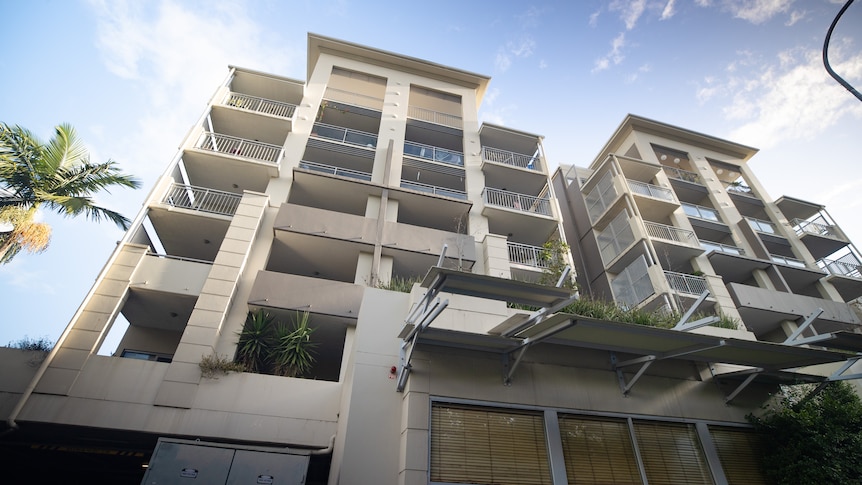

The Brisbane City Council has unveiled a proposal to rezone certain suburbs, facilitating the construction of apartment buildings reaching heights of up to 30 stories. This initiative, termed the ‘tall over sprawl’ strategy, aims to address an anticipated influx of 1.5 million residents over the next 15 years.
Public feedback on this suburban renewal initiative is set to close on May 25. The updated strategy seeks to establish mini central business districts in various neighborhoods, with the construction of high-rise apartments designed to alleviate the pressing housing shortage.
According to city officials, the projected increase in Brisbane’s population necessitates a bold approach. The draft plan includes provisions for 30-story buildings in Carindale, 25-story structures in Indooroopilly, and 15-story developments in Nundah, each strategically located near shopping and transport facilities.
Adam Allan, chair of the council’s planning committee, noted that the city is currently experiencing a significant influx of approximately 600 new residents each week, while rental availability is at an all-time low. He emphasized the need for density in appropriate locations to ensure that housing demands are met both now and in the future.
Allan expressed the importance of diverse housing options, including one-bedroom apartments, studios, and townhouses, indicating that the council’s planning efforts aim to cater to a wide range of housing needs.
Brisbane has been identified as the second least affordable city in Australia for housing, as reported by Cotality, and it ranks among the most expensive locales for construction. Many developers have shifted their focus towards high-end properties to remain viable.
Addressing the affordability issue, Allan remarked that the council has limited tools at its disposal, as it does not directly construct housing but rather establishes a regulatory framework for the industry to navigate.
He explained that the cost of building a decent two-bedroom apartment can reach between $750,000 to $800,000, which typically results in sale prices exceeding $1 million. This highlights the challenge of delivering affordable housing in a market characterized by high construction costs. He suggested that state intervention is often necessary to provide social housing options.
The council stated that while it cannot dictate what developers should construct, it can articulate the city’s housing needs and hope that the market will address them. However, Greens MP Michael Berkman criticized the “end to urban sprawl” initiative, arguing it would not adequately support low-income residents due to a lack of state-mandated social housing policies.
Berkman contended that the current planning system favors developers, and the removal of affordable housing mandates by the state government exacerbates the housing crisis. He warned that without significant action, the upcoming Olympics could lead to a housing disaster rather than an opportunity for meaningful improvements in housing for Brisbane residents.
Additionally, he raised concerns about the existing infrastructure, such as schools, which may not be sufficient to accommodate the growing population. Although new classrooms are being constructed, Berkman believes these efforts fall short of meeting long-term requirements.
Last month, Deputy Premier Jarrod Bleijie expressed skepticism regarding the effectiveness of housing mandates, asserting that they hinder construction efforts.
Dr. Mark Limb, an urban planning expert from Queensland University of Technology, anticipates resistance from residents living near the new high-rise zones. He acknowledged their legitimate concerns, which include prolonged construction periods and potential changes to their living environments.
Dr. Limb voiced worries about the possibility of unattractive developments that do not harmonize with the surrounding area, emphasizing the importance of cohesive urban planning that integrates low-rise and high-rise structures effectively.
While he acknowledged the necessity of vertical growth in a city with limited suburban expansion, he also cautioned that the proposed plans do not guarantee affordability. He pointed out that the assumption that increased supply would automatically lead to lower prices is not well-supported by evidence.
Elizabeth Handley, spokesperson for Brisbane Residents United, criticized the trend towards a “cookie cutter city” that lacks unique character. She expressed concerns regarding the absence of necessary infrastructure, such as transportation, schools, and green spaces, in the newly designated high-density areas, citing past experiences in neighborhoods like West End and South Brisbane as cautionary examples.