
Food assistance organizations in Perth are experiencing a significant increase in demand as rising fuel prices exacerbate the ongoing cost-of-living crisis.
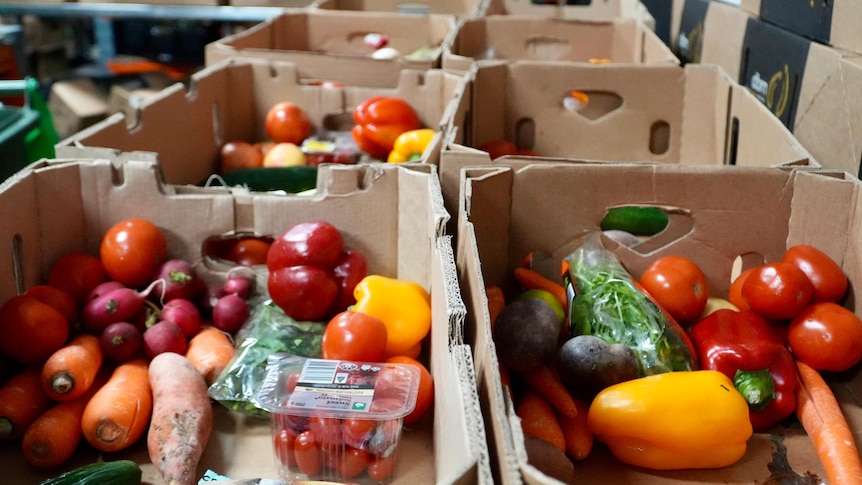
To cope with the growing need and escalating costs, these charities have begun to reduce the number of items in their food hampers, which now feature less fresh produce.
The state government has committed to implementing additional support measures aimed at aiding vulnerable populations.
Local charity The Pantry WA, which operates on food donations and grants, currently supports between 1,200 and 1,500 individuals each week. According to CEO Bev Woolhouse, the organization recently made the difficult decision to close its waitlist, which has reached approximately 240 people, due to a dramatic rise in demand, particularly over the past two months.
“The demand has increased more than I have ever witnessed, tripling since January,” Woolhouse stated.
She mentioned that the charity is now including less fresh food in its hampers and is actively seeking more non-perishable donations to extend their supplies.
“We are having to make choices about how full we can pack each box, which is unfortunate,” she added. “We may need to fill the boxes only three-quarters full to ensure there is enough to distribute to more people who may come in unexpectedly. This is a departure from our previous practice of fully packing our boxes.”
No Limits Perth, another food assistance organization, is also facing similar challenges. CEO Janine Wood reported that the charity assists around 800 households weekly and is struggling to keep pace with demand, which has doubled since January.
Like The Pantry WA, No Limits relies on donations from organizations such as OzHarvest, but Wood noted that the charity is spending approximately $1,500 weekly from its own funds to purchase pantry items.
“We are going to have to adapt our services due to the circumstances,” she said. “By the end of the month, we will need to decrease the amount of pantry items distributed to each family. However, I try to stay optimistic about each new day, as it helps me move forward instead of feeling overwhelmed.”
Despite the government’s recent decision to halve the fuel excise, many clients of these charities have reported being unable to collect food due to the high cost of fuel.
Increased fuel prices have intensified the cost-of-living issues faced by many Australians, leading more individuals to seek assistance. FoodBank WA, a major hunger relief organization that receives state government support, recorded its highest daily number of clients ever this month, with CEO Kate O’Hara stating that 1,245 households received aid on Easter Thursday alone. Overall client numbers have risen 5 percent in March compared to the previous year.
Furthermore, rising prices for fresh food are causing additional hardships, with the National Farmers Federation warning that costs could increase by as much as 20 percent.
John Cummings, president of the Independent Grocers Association WA, indicated that food prices are unlikely to decrease in the current economic climate. “Every product that is purchased from a supermarket has incurred transport costs, and both packaging and fuel expenses are contributing to these higher prices, which retailers unfortunately have to pass on to consumers,” he explained.
WA Treasurer Rita Saffioti acknowledged that transportation and food costs remain significant burdens for households, particularly in light of the ongoing conflict. She noted that the state government has indicated plans for additional cost-of-living relief in the upcoming May budget.
“A primary focus of this budget will be to support households in WA, especially those in need with targeted assistance,” she stated.
Opposition Leader Basil Zempilas emphasized that providing relief should be a top priority for the state government. “It is the responsibility of the government, which has been in power for a decade, to utilize the full extent of their budget to assist the residents of Western Australia,” he remarked.