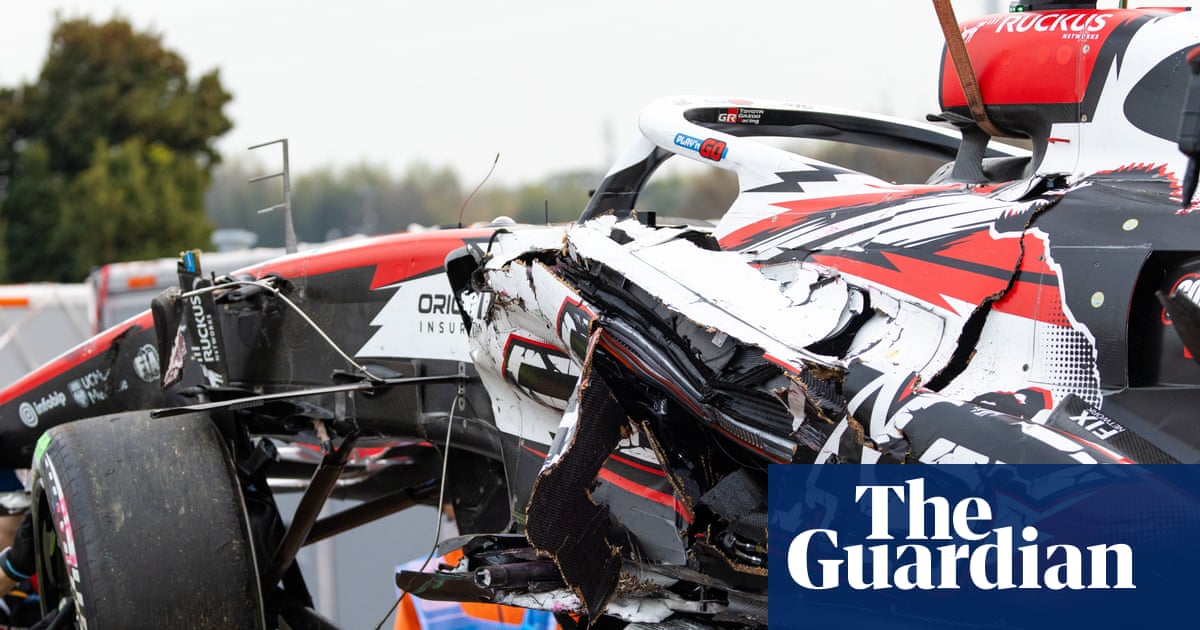

Formula One has experienced a somewhat rocky start to the current season due to the introduction of new regulations. The initial races have been marked by some driver dissatisfaction and heightened safety concerns, particularly following a significant incident at the Japanese Grand Prix. With three races completed, there is now a chance to discuss potential adjustments, and Nikolas Tombazis, the FIA’s single-seater director, remains optimistic about F1’s ability to adapt effectively.
Tombazis has been part of the FIA since 2018 and played a pivotal role since the early discussions regarding the 2026 regulations began in January 2021. He believes that while there are issues to be addressed, the situation is not as dire as some may suggest. “We’re not looking at a complete overhaul,” he explained. “It’s more about making some minor adjustments rather than major surgeries.”
He acknowledged that improvements are necessary from both a driving and safety standpoint. “I don’t want to claim everything is perfect, but it’s also not a complete disaster. We have a mix of fan satisfaction, specific safety concerns due to recent accidents, and drivers who feel certain aspects could be enhanced,” he stated.
While it was expected that the new rules would not please everyone, the strong reactions from drivers have surprised some. Leading drivers, such as George Russell from Mercedes and Lewis Hamilton from Ferrari, have generally accepted the new formula, which emphasizes the management of electrical energy usage. However, some drivers, including Lando Norris, have expressed their dissatisfaction, and Max Verstappen has voiced such strong discontent that he is contemplating leaving the sport.
Tombazis understands that criticism is part of his role. “As a leader or official, it’s rare to receive constant praise,” he observed. “Criticism is something we’re prepared for.”
Addressing the concerns raised by Oliver Bearman’s high-speed crash at Suzuka, attributed to significant differences in vehicle closing speeds, is a priority. Tombazis noted the seriousness of the situation but emphasized the need for careful consideration before implementing any changes. “Every high-speed incident is alarming. While we anticipated risks related to closing speeds, we needed time to analyze the circumstances before taking action,” he explained. “Rushed changes could potentially exacerbate issues, so we must proceed thoughtfully, with safety as our top priority.”
Tombazis, a 57-year-old engineer with extensive experience in F1 since 1992, has worked with teams such as Ferrari, McLaren, and Benetton before joining the FIA. His passion for the sport, combined with a methodical approach, is crucial as the governing body seeks to navigate these challenges.
Discussions are ongoing this month among the FIA, teams, power-unit manufacturers, and F1’s commercial rights holder, FOM. A preliminary meeting is set for Thursday to evaluate technical and sporting aspects from the first three races and discuss potential adjustments. Another meeting will follow the next Thursday, including discussions with drivers.
On April 20, a further meeting will convene senior representatives, including team principals, CEOs, power-unit manufacturers, and F1 CEO Stefano Domenicali, to finalize any regulatory changes, pending approval from the world motorsport council. The aim is to implement these changes ahead of the next championship race in Miami on May 3.
The FIA has acknowledged that the new regulations are part of an evolutionary process and has been vigilant in monitoring their impact, with an ongoing review planned. Tombazis emphasized that with numerous engineers at each team striving for performance improvements, there will be a significant learning curve. “You can study how to play the violin, but true understanding only comes from practice,” he remarked.
Despite the challenges, it is rare for new regulations to elicit such strong reactions. The complexity of hybrid engines, their effect on drivers’ experiences, and fans’ perceptions present significant hurdles for F1. The governing body maintains that fan engagement has been largely positive.
Thus, the task ahead is a balancing act. While no changes to engine construction will be made, adjustments to energy recovery and deployment parameters are possible. “These energy management rules may not require hardware changes but will likely need adjustments to settings and software,” Tombazis noted. “This allows for rapid changes that can directly address closing speeds and driver satisfaction.”