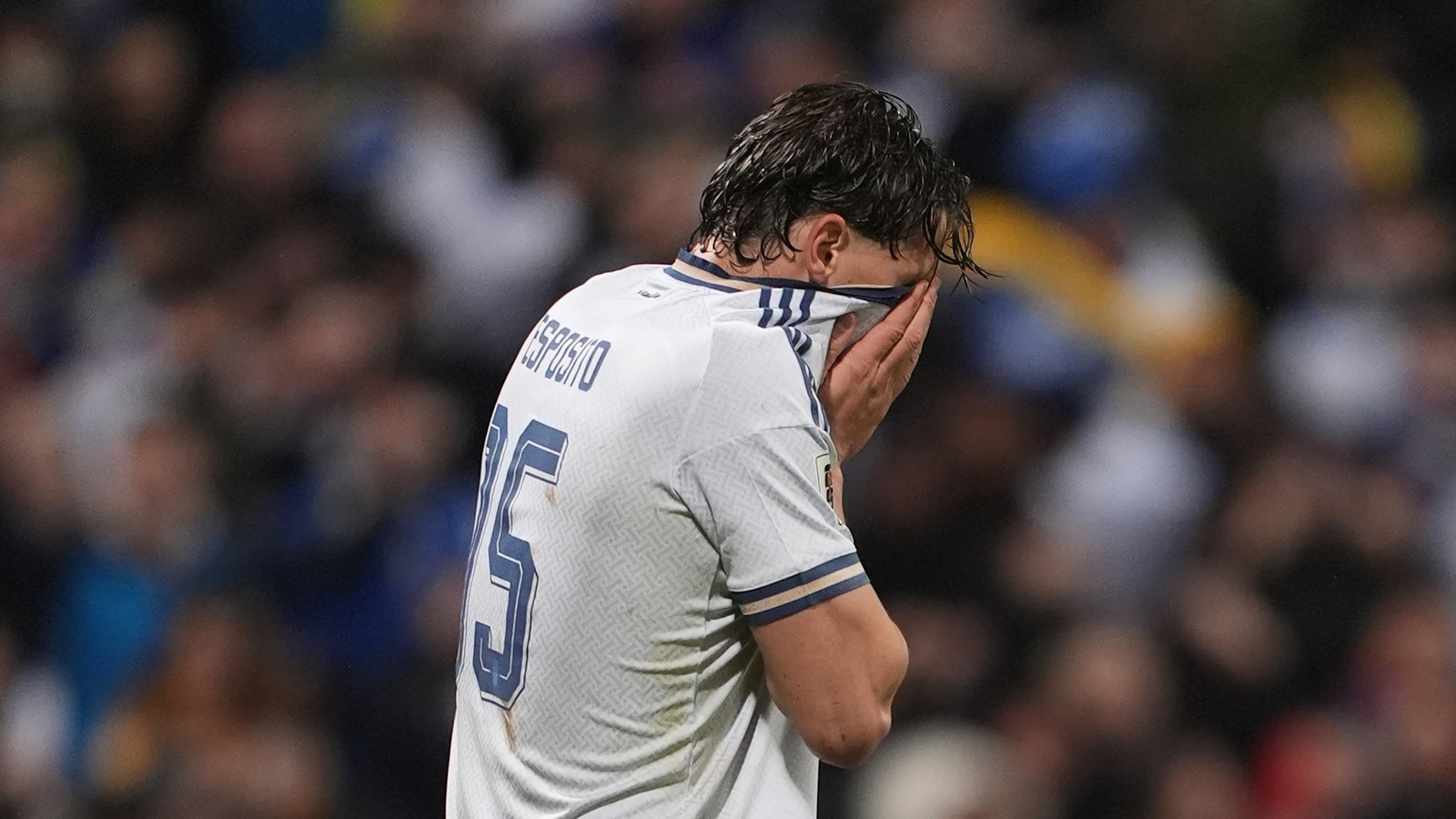

On Wednesday, Italy’s departing soccer leader emphasized the need to redirect betting revenues towards youth development and infrastructure to rejuvenate a sport facing significant challenges, particularly after the national team missed out on World Cup qualification for the third consecutive time. Gabriele Gravina, who stepped down from his position as president of the Italian Football Federation (FIGC) on April 2, presented these proposals as a strategy to navigate the current crisis experienced by the four-time World Cup champions, which has intensified scrutiny of the entire Italian football framework.
Gravina contended that the Azzurri’s ongoing struggles in international competitions stem from deep-rooted structural issues, rather than mere temporary errors. His recommendations included allocating a portion of substantial gambling revenues associated with the sport towards grassroots initiatives and sports academies, as well as investing in new or renovated football stadiums. Additionally, he suggested lifting the 2018 ban on betting advertisements and sponsorships, aimed at combating gambling addiction in a country that boasts the largest gambling market in Europe.
The FIGC’s analysis highlighted a significant concern regarding the limited participation of Italian players in the top-tier Serie A, where foreign athletes represent approximately 68% of playing time, one of the highest proportions in Europe. The pathway for young Italian talent is even more restrictive, with players under 21 accounting for less than 2% of the total minutes played in Serie A.
To combat this trend, the federation proposed financial incentives for clubs that prioritize fielding young, homegrown players, alongside increased funding for youth academies and expedited procedures for the approval of new or redeveloped stadiums.
The FIGC also noted that the decline in technical performance is exacerbated by a precarious financial model, with professional Italian football facing annual losses exceeding 700 million euros (approximately $818.37 million), coupled with significant debt and a troubling history of clubs failing or being barred from competitions.
In conclusion, the report asserted that a sustainable recovery for Italian football would necessitate a synchronized approach across the entire sport, cautioning that mere leadership changes or isolated reforms would be insufficient to regain competitiveness. A new president for the FIGC is expected to be elected in June. Following Italy’s surprising defeat to Bosnia, national team coach Gennaro Gattuso and team delegation leader Gianluigi Buffon also announced their resignations.