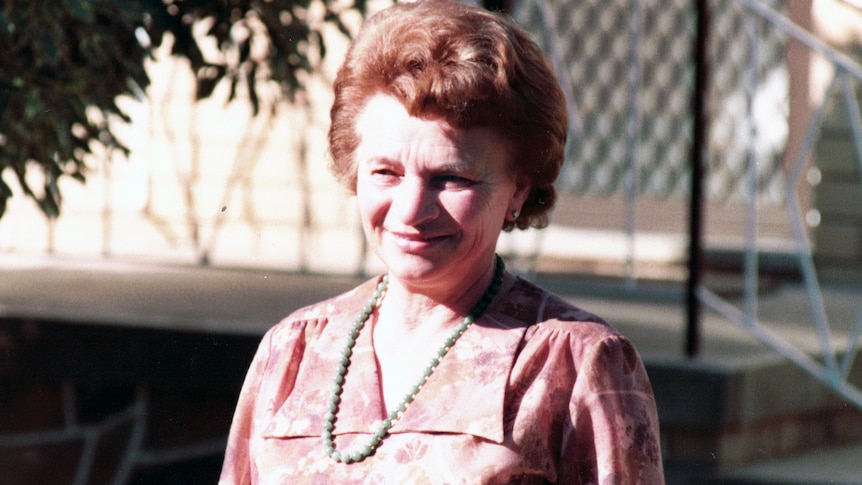

Irma Palasics, a grandmother from Canberra, was tragically murdered over 26 years ago during a brutal home invasion that resulted in the theft of $30,000 in cash. After years of investigation, authorities arrested Joseph Vekony and Steve Fabriczy, who faced trial this year for their alleged roles in the crime.
The jury is now tasked with delivering a verdict, a challenge that Justice David Mossop described as complex and substantial. The case revolves around the violent events that led to Irma’s death after she and her husband Gregor were assaulted, bound, and gagged in their home.
Throughout the trial, which has lasted several weeks, the jury has heard testimonies from 53 witnesses, along with 14 statements and recordings, and examined 97 pieces of evidence. The prosecution has focused primarily on the 1999 incident, despite Mr. Fabriczy’s prior guilty plea to burglary and Mr. Vekony’s facing additional charges related to a robbery at the Palasics’ former residence from 1998.
Irma and Gregor Palasics were attacked by two men who ransacked their home, ultimately stealing a significant amount of cash hidden beneath their oven. Mr. Palasics, who has since passed away, provided police with a description of the assailants, indicating that one man assaulted him while the other targeted his wife.
A breakthrough in the case occurred in 2023 when DNA evidence linked Steve Fabriczy to the crime through a chance match. An undercover police operation led to the arrest of both men, with critical evidence including Mr. Fabriczy’s DNA found on a milk bottle in the Palasics’ refrigerator and Mr. Vekony’s DNA on a water container. Prosecutors allege that the men traveled to Canberra to execute the robbery before returning to Melbourne with the stolen money.
During closing arguments, defense attorneys for both men challenged the thoroughness of the police investigation. Skye Jerome, representing Mr. Fabriczy, described the prosecution’s case as weak and based on circumstantial evidence. She criticized the lead detective for focusing solely on the DNA evidence and not considering the possibility of a third party being involved, referencing a man who had claimed to be present during the crime but left when violence erupted. Ms. Jerome argued that the detective acted as if he were the sole arbiter of truth.
Mr. Fabriczy maintains that he briefly entered the Palasics’ home only to assist Mr. Vekony in escaping through a window. Ms. Jerome implored the jury to trust her client’s assertion that he did not partake in any violent acts, emphasizing his honesty in admitting to the burglary.
Mr. Vekony’s defense attorney, Travis Jackson, similarly criticized the police focus on DNA, asserting that they were overly reliant on this evidence. He echoed Ms. Jerome’s concerns regarding the handling of forensic investigations, pointing out potential contamination issues.
In contrast, prosecutor Trent Hickey dismissed the defense arguments and presented 40 key facts for the jury’s consideration, emphasizing the severe injuries inflicted on the elderly couple. Both victims sustained significant harm, with Mrs. Palasics ultimately dying before her husband could assist her.
Mr. Hickey also refuted the suggestion of a third person’s involvement, stating that such a theory appeared to be an attempt to exonerate Mr. Fabriczy. He pointed out that the distribution of the stolen money suggested otherwise, with Mr. Fabriczy allegedly receiving a substantial amount.
Regarding the DNA evidence, Mr. Hickey asserted its reliability, stating that the sample from the milk bottle was 312 quintillion times more likely to belong to Mr. Fabriczy than anyone else, while the sample from the water jug was 61 sextillion times more likely to be from Mr. Vekony.
The jury’s deliberations are ongoing as they weigh the evidence and testimonies presented throughout the trial.