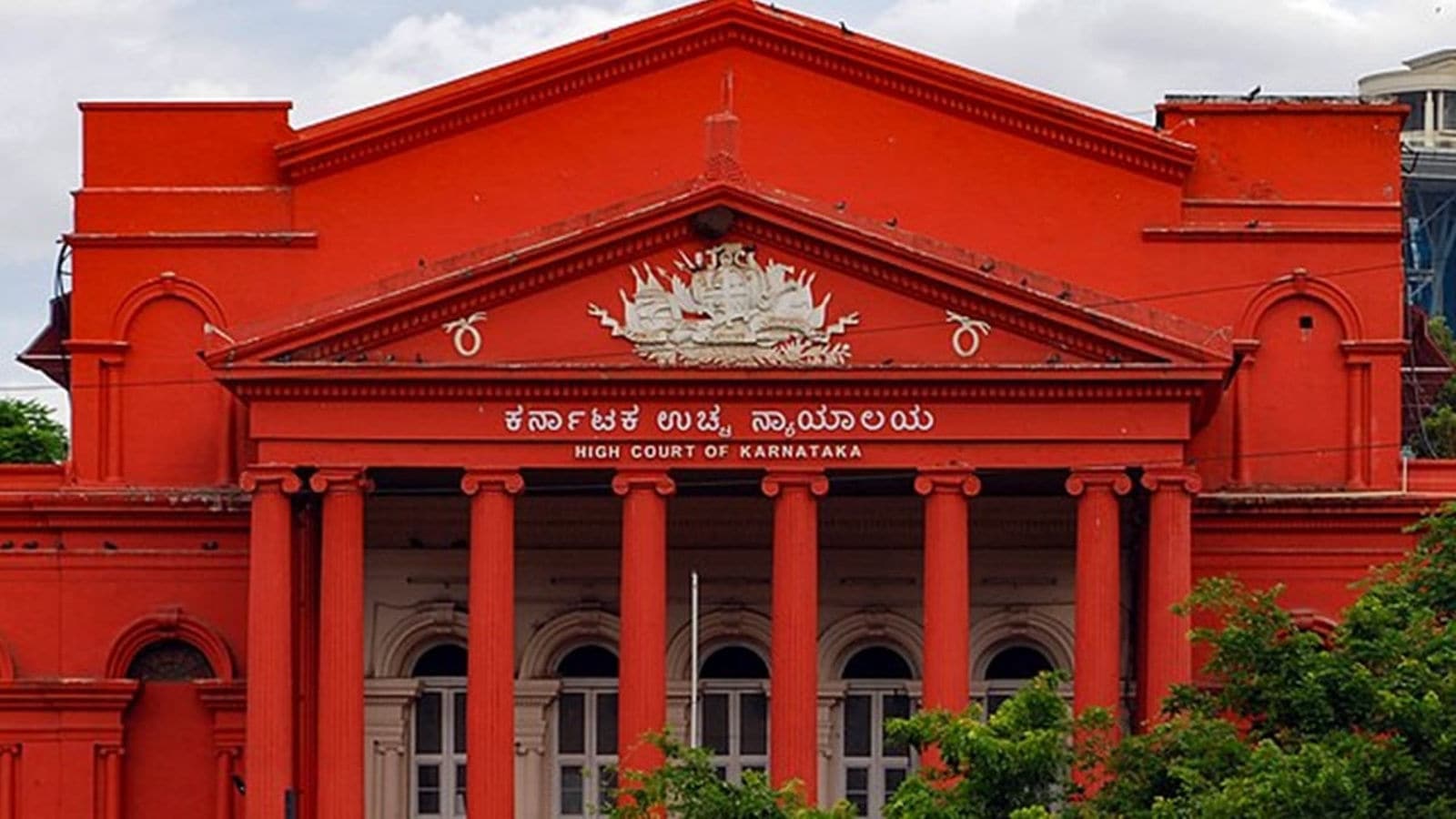

The Karnataka High Court has issued an interim order instructing the state government to immediately halt all construction activities at the Chamundeshwari Temple in Mysuru.
This directive came during a hearing on a petition filed by Pramoda Devi Wadiyar, a member of the former Mysore royal family. Justice Sachin Shankar Magadum stated, “The Deputy Commissioner must immediately cease all construction activities at the disputed temple site, without exception.”
The court has also mandated the Mysuru deputy commissioner to provide a comprehensive affidavit within two weeks, detailing the expenditures related to the ₹47 crore allocated by the Central Government under the National Mission on Pilgrimage Rejuvenation and Spiritual Heritage Augmentation Drive scheme. This report should include specifics on the works completed, funds disbursed, and the current status of ongoing projects.
During the proceedings, senior advocate Sai Deepak, representing the petitioner, highlighted the ongoing construction work, asserting, “The activities being carried out at the temple cannot be deemed temporary; if allowed to continue, they could jeopardize the temple’s structural integrity.”
In a prior session, the government advocate had informed the court that the construction of a multipurpose area adjacent to the temple was a key component of the overall development plan for the site.
The court referenced its earlier interim orders from October 15, 2024, and February 17, 2026, in which the government had committed to not undertaking any permanent construction without the court’s approval while the case was pending.
Justice Magadum emphasized that despite these clear and enforceable directives, evidence, including photographs, indicated that construction activities had persisted at the site. He remarked, “Such actions not only violate the interim orders but also reflect a blatant disregard for the solemn commitments made to this Court.”
“Judicial orders should not be treated as mere formalities, nor can commitments made to the Court be allowed to be violated without consequence,” he added.
The bench noted, “The construction activities being carried out by the Deputy Commissioner are significant and cannot be considered minor or temporary. While the Court recognizes the State’s intention to utilize the funds for the benefit of devotees and to enhance the temple’s infrastructure, such commendable intentions cannot supersede binding judicial directives.”
The court further stated, “Orders from constitutional courts are not merely advisory; they are mandatory and must be strictly observed by all state entities. The executive cannot assume the authority to ignore or weaken judicial orders under the guise of administrative needs or financial allocations. Such a position undermines the rule of law and the principle of separation of powers and, if accepted, would diminish the authority of this Court.”
The court firmly stated that any breach of the interim order would be treated with the utmost seriousness, potentially leading to contempt proceedings against the Mysuru deputy commissioner.
The petitioner has contested the Shree Chamundeshwari Kshetra Development Authority Act, which came into effect on July 1, 2024, aimed at the development and maintenance of the Shree Chamundeshwari Temple on Chamundi Hill in Mysuru taluk.
The petition seeks a judicial declaration that the Act is unconstitutional, arguing that the state government lacks the legislative authority to enact such a law and that it would unlawfully infringe upon the petitioner’s rights.