
Less than a day after the announcement of a ceasefire between the United States and Iran, which was welcomed globally, the agreement appears to be faltering. Israel has conducted airstrikes in Lebanon, and there seems to be a lack of clarity between Tehran and Washington regarding the terms of their agreement.
Despite these challenges, both parties are expected to meet in Islamabad this weekend to further their negotiations.
In contemporary warfare, a ceasefire often resembles a temporary halt rather than a definitive conclusion. The current truce seems more influenced by the limitations faced by both parties than by any shared political goals. The conflict has revealed the contrasting strategies and capabilities of each side, suggesting that the ensuing negotiations will likely be complex and non-linear.
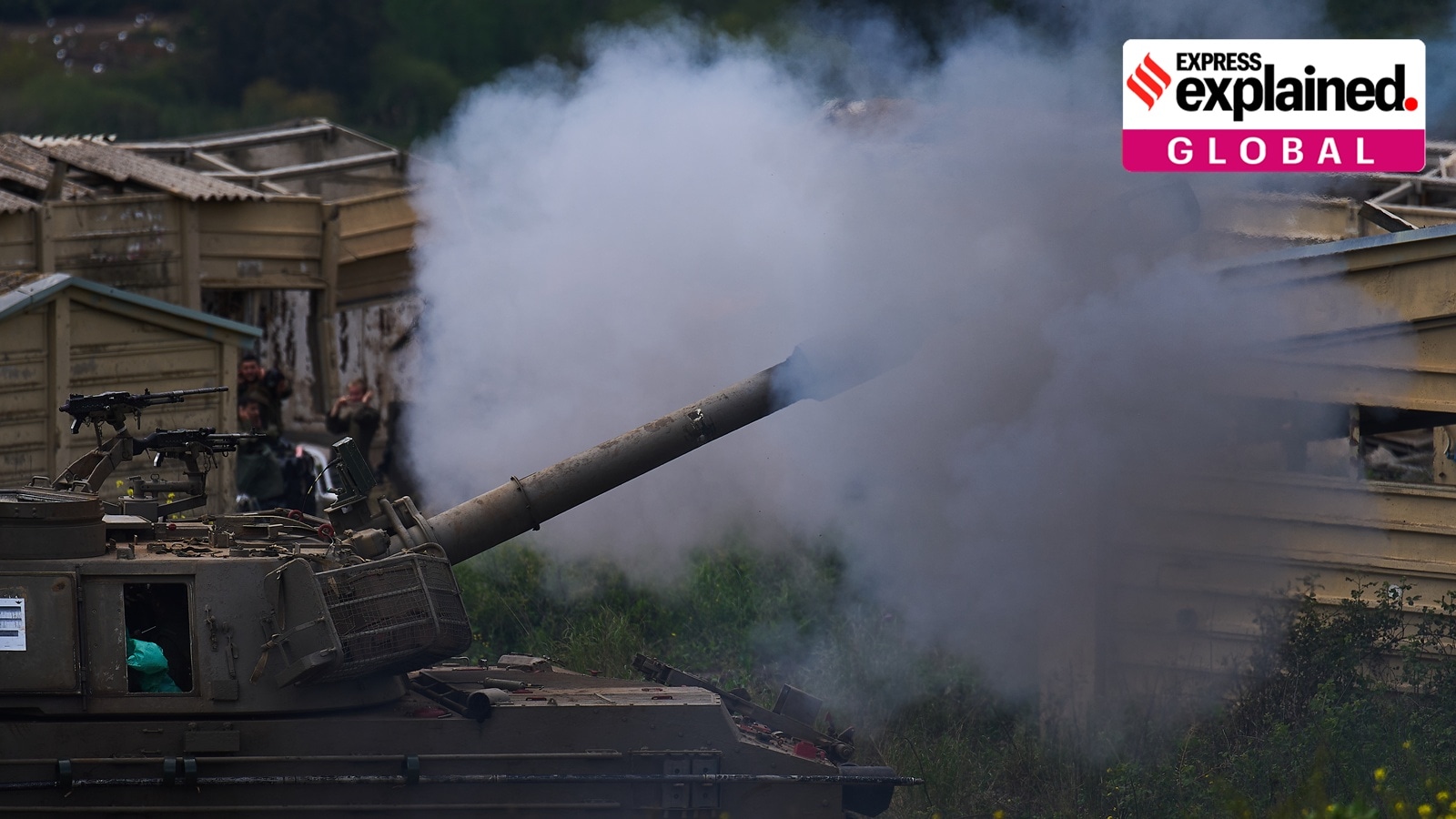
The United States and Israel, leveraging a more conventional military strength, aimed to decisively weaken Iran through an intense bombing campaign and targeted strikes on its leadership. In contrast, Iran’s approach, characterized by asymmetric warfare, emphasizes redundancy, decentralized command, and dispersion to prolong the conflict. Control over the Strait of Hormuz has provided Iran with a significant advantage in discussions. Its affiliates—such as Hezbollah in southern Lebanon, the Houthis in Yemen, and various Shia groups in Iraq—have created a precarious situation by opening multiple fronts, thereby enhancing Iran’s strategic positioning.
Given this imbalance, the ceasefire is likely to be fragile.
For the United States, this pause is primarily tactical, while Tehran is aiming for a more comprehensive and structural resolution. At this stage, Israel is not directly involved in the ceasefire negotiations. The immediate objective will be to preserve the ceasefire’s integrity and potentially extend it to include Iran’s proxies. It may also be feasible to introduce limited confidence-building measures through intermediaries.
The post-ceasefire negotiations are expected to unfold gradually, marked by challenging discussions and significant mistrust.
The framework for these negotiations will be influenced by the 15 points proposed by the United States and the 10 points from Iran. Central topics will include Iran’s nuclear program, the prospect of sanctions relief, and efforts to de-escalate tensions in the region. The path forward is likely to be protracted, with the U.S. demanding a rollback of Iran’s nuclear advancements and restrictions on its missile capabilities, while Iran will advocate for security assurances and the complete removal of sanctions.
At best, an interim agreement might focus on limiting uranium enrichment, enhanced monitoring by the International Atomic Energy Agency (IAEA), a phased approach to sanctions relief, and informal agreements to manage proxy activities.
Geopolitically, the conflict involving Iran carries significant implications on both regional and global scales. The ceasefire highlights a shift towards a new conflict resolution framework led by middle powers such as Pakistan, Egypt, Turkey, and Gulf nations, moving away from the traditionally Western-dominated approach.
With diminishing confidence in the U.S. as a security provider, Gulf states may form ‘minilateral coalitions’ and increase their defense expenditure. The Strategic Mutual Defense Agreement between Saudi Arabia and Pakistan may expand to include nations like Turkey and Egypt.
China is also increasing its diplomatic and technological presence, offering alternatives to Western systems, which could lead to a re-evaluation of U.S. alliances in West Asia. The vulnerabilities exposed by the situation in Hormuz and energy hubs like Qatar’s Ras Laffan are likely to foster the development of alternative supply routes.
India holds significant interests in this transitional landscape, not only in terms of energy security but also concerning its diaspora and maritime trade. Consequently, India may need to reassess its strategy in West Asia to assert itself as a proactive representative of the global South. Islamabad’s role as a mediator, even if limited, indicates a subtle shift in regional power dynamics that New Delhi should acknowledge.
The current ceasefire offers an opportunity for diplomacy, communication, and de-escalation. However, the real risk lies not in its collapse but in overly ambitious expectations. The negotiation process remains susceptible to disruptions from various actors, including proxies, domestic political pressures, and the security considerations of Israel.
Achieving a comprehensive peace agreement or a strategic resolution to the conflict seems unlikely in the foreseeable future. The most probable outcome may be one of “managed rivalry and confrontation,” with genuine reconciliation remaining a distant hope.
(The author has over 38 years of distinguished service in the Indian Army and is currently a Professor of Strategic and International Relations at the Lal Bahadur Shastri Institute of Management in Delhi.)