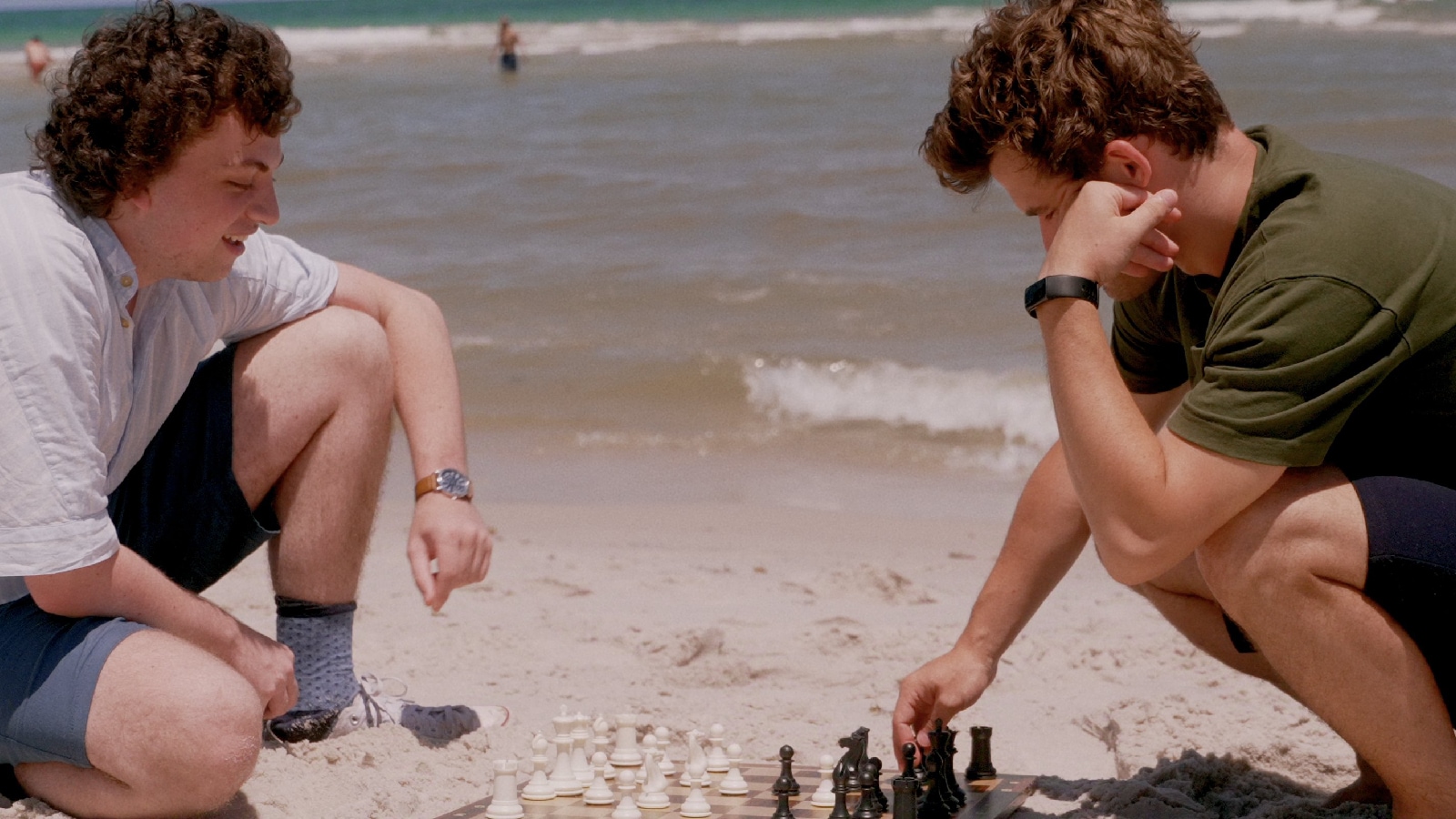

Magnus Carlsen contemplated confronting Hans Niemann directly at his hotel following a series of unexpected defeats to the young grandmaster. After experiencing frustration from losing to Niemann for the second time in a row at the Sinquefield Cup, Carlsen felt as though he was competing against an opponent who was significantly below his skill level. Niemann, just 19 and confident in his abilities, was already vocal about his ambition to take Carlsen’s place at the pinnacle of the chess world.
In a Netflix documentary titled ‘Untold: Chess Mates,’ Henrik Carlsen, Magnus’ father, revealed that Magnus had considered knocking on Niemann’s door to demand answers about his unexpected victories. The film explores the chess cheating scandal of 2022, where Carlsen accused Niemann of unethical play. Spanning 74 minutes, the documentary revisits the controversy that has lingered for four years, ultimately failing to offer fresh insights into the events of that pivotal game.
Despite the serious nature of Carlsen’s claims, no evidence was ever substantiated, leading to a $100 million lawsuit that concluded with an out-of-court settlement. The incident remains one of the most significant scandals in chess over the last decade, capturing media attention far beyond the chess community. In the absence of concrete details from Carlsen regarding how he believed Niemann had cheated, rumors circulated, including bizarre theories involving anal beads, which gained traction among celebrities like Piers Morgan, Trevor Noah, and Joe Rogan.
The documentary also emphasizes the significant role played by Chess.com in the scandal. The platform has emerged as a dominant force in the chess world, facilitating tournaments for top players, live streaming high-profile events, and supporting content creators. However, during the Carlsen vs. Niemann controversy, Chess.com acted as a primary witness against Niemann by revealing past cheating incidents, taking the drastic step of banning him from their platform immediately after Carlsen withdrew from the Sinquefield Cup, and conducting an investigation into the allegations using their anti-cheating technology. Ultimately, they released a detailed 72-page report clearing Niemann of any cheating during the Sinquefield Cup or other over-the-board competitions. The platform also became a co-defendant in the $100 million lawsuit alongside Carlsen.
After convincing Magnus that confronting Niemann directly was unwise, Henrik suggested that they reach out to Chess.com for an investigation into Niemann’s past. The app’s CEO, Erik Allebest, expressed confidence in their anti-cheating measures, stating, “I wanted to launch the world’s greatest investigation to find out how this little cheating kid gamed the system and beat the champion.”
When Henrik inquired whether Niemann had ever been caught cheating on Chess.com, the response was crucial. “For most inquiries, we would typically say it’s not your business,” explained IM Danny Rensch, the platform’s Chief Chess Officer. “But with the Carlsens, we decided to be transparent.” During this conversation, the Carlsens learned that Niemann had previously been banned for cheating.
“For me, that was the confirmation I needed… this guy is cheating,” Carlsen stated in the documentary, convinced that Chess.com had provided crucial evidence. Rensch revealed that Niemann had cheated in over 100 online games, while Niemann admitted to cheating in nine games when he was younger and “maybe 20 to 30 games around the age of 16.”
Rensch recounted a conversation with a young Niemann, during which he initially denied the allegations before breaking down in tears. Concerned about the implications for Niemann’s future, Rensch took a compassionate approach, allowing him to deactivate his account voluntarily to control the narrative regarding his cheating history. Rensch’s handling of the situation prompted Allebest to comment, “Honestly, I was surprised at the time about how generous you were being.”
During the same call, Niemann sought to understand how Chess.com had detected his cheating, raising concerns for Rensch about Niemann’s trustworthiness moving forward. This investigation culminated in a comprehensive report, but it ultimately could not establish definitive proof linking Niemann to cheating in the contested game.