
Following the declaration of a ceasefire in the Middle East, Volodymyr Zelenskyy sought to highlight the ongoing conflict in Ukraine, stating on social media that Ukraine has consistently advocated for a ceasefire in the war “being waged by Russia here, in Europe.”
Efforts to resolve the war in Ukraine have stalled significantly since the onset of the conflict in Iran, with trilateral discussions involving Kyiv, Moscow, and Washington having been largely ineffective and frozen since February 2026. Meanwhile, hostilities continue unabated, with airstrikes on Ukrainian urban centers and intense combat as Russia commences a spring offensive.
There is potential for a visit to Kyiv this month by White House envoy Steve Witkoff and Jared Kushner, former President Donald Trump’s son-in-law. This visit marks their first trip since negotiations began and could potentially revitalize discussions aimed at ending the conflict. However, the war in Iran has intensified divisions between Washington and its European allies, revealing deeper concerns about the extent of U.S. commitment to any forthcoming peace agreement.
One European official, who spoke anonymously, remarked, “It’s evident that Trump’s team is losing patience with Ukraine and is seeking a swift resolution.”
For a definitive peace agreement to emerge, two critical matters need to be addressed: the status of Ukrainian-controlled territories in eastern Ukraine and the issue of U.S. security assurances.
The official expressed concern that recent statements from the U.S. may lead Moscow to believe that Washington is not genuinely committed to its long-term support for Ukraine. Trump has expressed frustration over European hesitance to engage more directly in the Middle East conflict, labeling Ukraine as “not our war” and openly questioning his continued backing of NATO. The European official noted, “Ukraine is justifiably questioning the validity of these American security guarantees.”
Two European officials indicated that there is increasing anxiety that Trump, eager for a geopolitical achievement ahead of the midterm elections, might exert pressure on Kyiv to surrender territories it currently controls in the Donbas region—one of Russia’s primary demands.
As warmer weather approaches, analysts report that Russia has initiated a renewed spring offensive. Military experts, along with sources familiar with Kremlin strategies, anticipate increased pressure on fortified eastern cities like Slovyansk and Kramatorsk in the coming months, according to Mykola Bielieskov from Kyiv’s National Institute for Security Studies.
Despite this, expectations for a significant Russian breakthrough remain low, as Moscow’s forces continue to face challenges against Ukraine’s extensive drone defense systems, according to analysts and officials.
Rob Lee, a senior fellow at the Foreign Policy Research Institute who frequently visits the frontlines, commented, “The battlefield situation is currently more favorable for Ukraine than it was in 2025.”
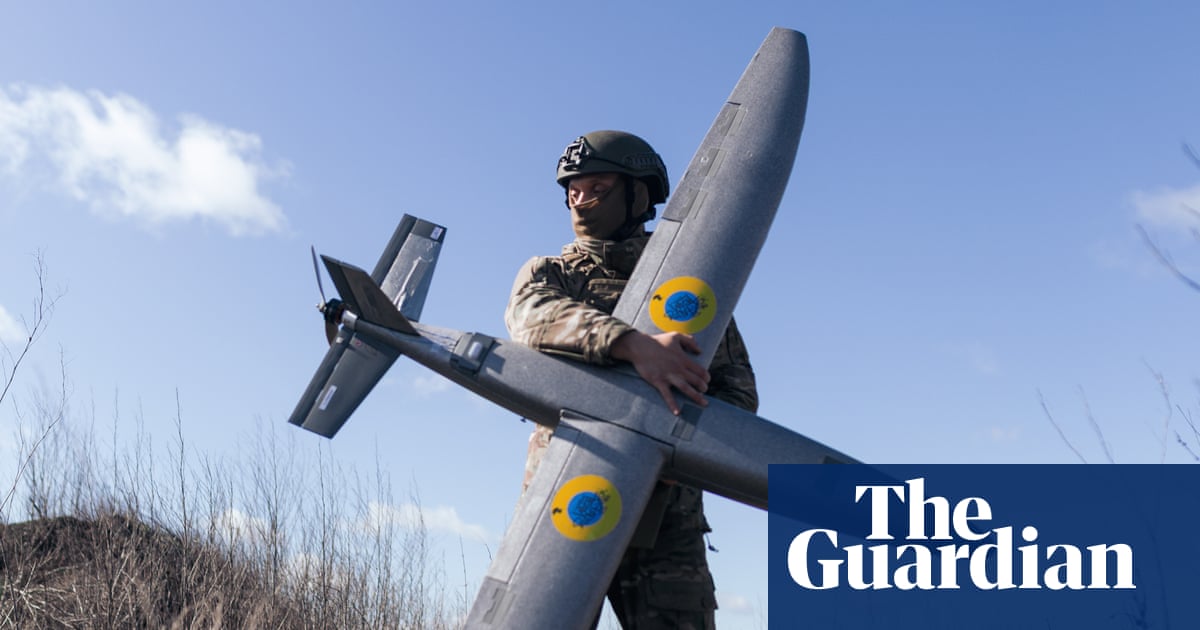
Both sides have transformed large areas of the front into “kill zones,” where the presence of drones and other unmanned systems quickly detects and counters any movements.
According to the Institute for the Study of War, Russian advancements in early 2026 occurred at approximately half the speed compared to the previous year.
“There are indications that Russia’s manpower advantage may be diminishing, and without it, their progress could decelerate,” Lee noted.
While Ukraine still grapples with significant manpower shortages, it has notably enhanced its mid-range drone capabilities, targeting Russian air defenses and military command centers deep within Russian territory.
Earlier this year, Ukraine launched its own counteroffensive in the southern Zaporizhzhia region, reclaiming around 100 square miles of territory within the first two months.
“I wouldn’t be surprised to see more Ukrainian offensives this year,” Lee stated.
However, for millions of Ukrainians, the situation remains dire. In March, Russia launched more drone strikes on Ukraine than in any other month since the beginning of the full-scale invasion, according to Kyiv.
In a tragic incident last week in western Ukraine, a Russian drone strike resulted in the deaths of a serviceman and his teenage daughter shortly after they visited his wife and newborn son in a maternity hospital. Additionally, an elderly woman was killed by a drone while standing in her yard in Kherson.
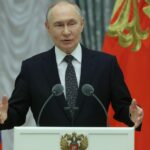
Meanwhile, Vladimir Putin has indicated his intention to maintain persistent pressure on Ukraine, aiming to wear down its resolve over time if it does not yield control of the Donbas region.
“From the onset of the conflict, Putin has believed that time is on his side,” remarked an individual familiar with Kremlin perspectives. “The negotiations had already lost momentum and were stagnating.”
In discussions with business leaders in Moscow last month, Putin suggested that the war would persist until Russia secures the remaining areas of the Donbas that remain under Ukrainian control, according to two sources familiar with the meeting.
On its part, Ukraine continues to assert that it retains leverage in the situation. A source close to the Zelenskyy administration stated, “We remain optimistic that our partner, the U.S., will support us. However, we also need to demonstrate that we are still in this fight.”
Zelenskyy has claimed that Russia is incurring substantial casualties, with over 35,000 troops killed or wounded in March alone, as Ukraine aims to inflict losses faster than Moscow can replenish its forces through recruitment.
These assertions have not been independently verified. Nonetheless, reports from pro-war Russian military bloggers, often embedded with Russian forces, indicate that Russia’s increasing losses are becoming apparent.
Romanov, a well-known war blogger, stated, “We find ourselves in a situation where Ukrainians are killing more than 30,000 Russians per month, and we cannot replenish our army.”
In recent weeks, Ukraine has also intensified its attacks on Russian energy infrastructure, aiming to undermine the financial advantages Moscow has gained from elevated oil prices resulting from the ongoing conflict in the Middle East.