
As fuel prices continue to climb due to global oil supply disruptions linked to the ongoing conflict in Iran, an increasing number of Australians are opting for bicycles as a cost-effective mode of transport.
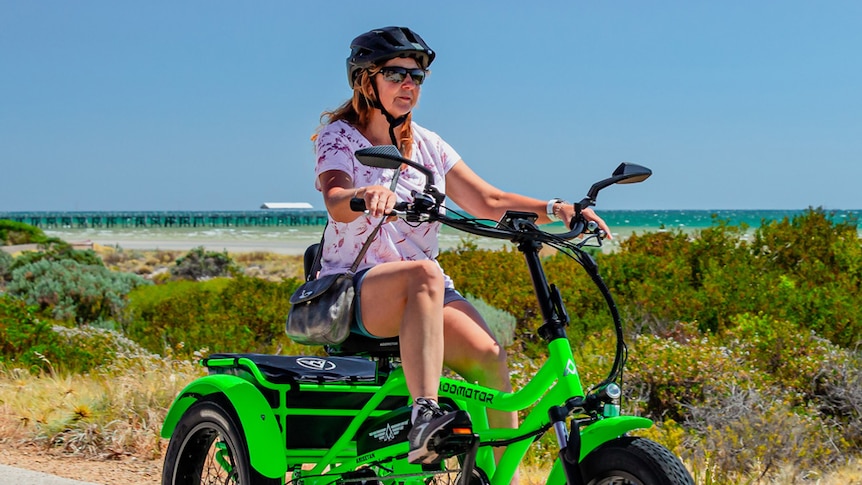
One business owner has reported a remarkable 40 percent surge in tricycle sales over just three weeks, particularly among retirees looking to cut down on petrol expenses. The demand for bike repair services has also seen a significant rise.
With the conflict in Iran now extending into its sixth week, fuel prices in Australia have escalated, surpassing $2 per litre for unleaded fuel and $3 for diesel. This recent spike has led many to explore alternative transportation methods, benefitting cycling-related businesses through enhanced sales and repair requests.
Michael Coates, founder of Trike Bike Australia, noted, “We’ve experienced a substantial increase in inquiries, with sales rising by approximately 30 to 40 percent.” He observed that many of his clients are budget-conscious retirees who are replacing their cars for routine errands like grocery shopping.
“Our primary demographic consists of older individuals, many of whom are over 60 and cautious about their expenditures. If they can eliminate car usage and the associated high fuel costs, they are eager to do so,” he remarked.
Peter Bourke, general manager of Bicycle Industry Australia, which represents over 100 businesses across the country, indicated that their members have reported notable increases in both e-bike sales and repair services. He stated, “We are seeing two distinct trends: a rise in e-bike purchases and a spike in the servicing of older, non-electric bikes.”
Bourke explained that many individuals are rediscovering bicycles that have been unused since the COVID pandemic. “People are motivated to dust off their bikes and get them operational again,” he added. He also highlighted the broad advantages of cycling, including health benefits, reduced road congestion, and lower environmental impact.
In Melbourne’s inner-north, Samson Cycles has not observed a significant uptick in new bike sales, yet there has been a marked increase in workshop bookings. Owner Ryan Billszta noted that the pressures of living costs have prompted many to maintain their existing bicycles rather than invest in new ones. “Customers are saying they prefer to spend some money to get their current bikes in working order rather than purchase new ones,” he explained.
Billszta suggested that while the current fuel prices haven’t severely impacted consumers, the situation could change in the near future, potentially driving more people to switch to cycling as a means of saving money.
Nearby, Velo Cycles in Carlton North has experienced a surge in service requests reminiscent of the demand seen during the pandemic. General manager Stuart Armstrong commented that many customers are retrieving bicycles that had been left unused for years. “It feels similar to the COVID period when we saw a lot of bikes that had been stored for a decade being brought in for servicing,” he noted.
In Shepparton, Brett Lancaster, a former Olympian and owner of Leading Edge Cycles, also reported an uptick in workshop traffic. He acknowledged the financial pressures many are facing due to rising living costs and interest rates, alongside climbing fuel prices. “People are dusting off old bikes at home, especially if their commute is within a reasonable distance,” he said.