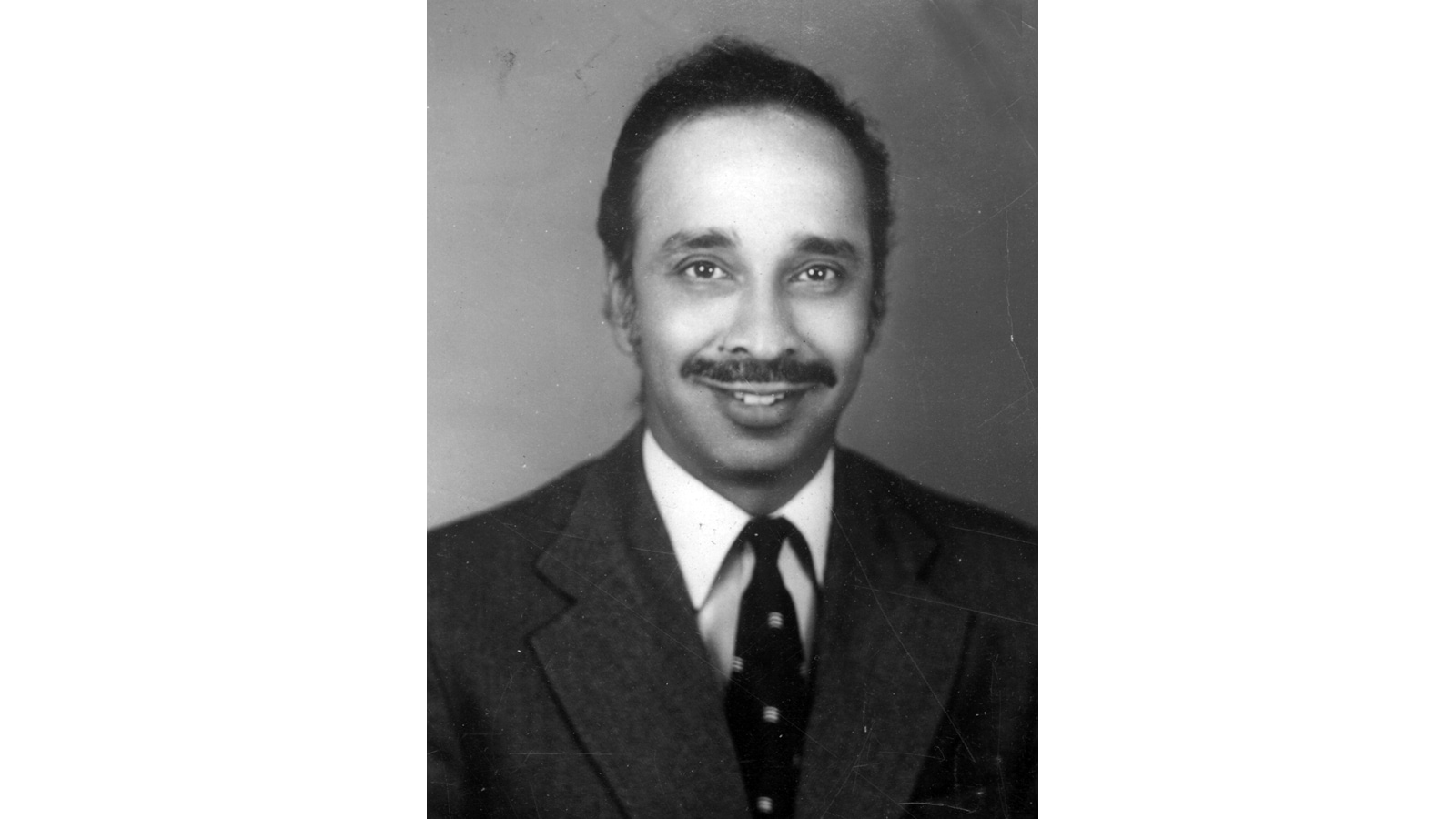

CD Gopinath never envisioned a career in cricket, as he initially engaged in sports like hockey, football, tennis, and ball badminton, steering clear of cricket altogether. It wasn’t until the age of seventeen that he picked up a bat for the first time in a competitive setting.
While attending Madras Christian College in Tambaram, he caught the attention of the team captain—not for his batting skills, but for his agile hands. Tasked with the role of wicketkeeper, Gopinath was soon moved up the batting order after the regular opener struggled to score. “They insisted, so I went and ended up making 70 runs,” he recalled in a conversation with Sportstar. This performance secured his position as the college’s primary opener, eventually leading him to represent the university.
Starting his cricket journey at seventeen, Gopinath achieved the remarkable feat of playing for India by the age of twenty.
His signature shot was the square cut. Despite his coach, Bert Wensley, advising him to abandon it due to frequent dismissals, Gopinath couldn’t resist its allure. After a brief attempt to stop playing the shot, he returned to Wensley, expressing his affection for it. Consequently, Wensley adjusted his batting position instead of eliminating the square cut from his repertoire.
Gopinath affectionately named his residence in Coonoor “The Cover Drive.”
In 1950, while positioned at the non-striker’s end, Gopinath found himself facing the legendary West Indian bowler Sonny Ramadhin. Observing his technique, he instinctively deduced that Ramadhin’s quicker deliveries were offbreaks, while his lofted deliveries were leg breaks. “It was a blind kind of assessment. Just happened that I was right,” he recounted to ESPNcricinfo, scoring 93 runs, with a significant portion off Ramadhin’s bowling.
During a match in Kanpur, Frank Worrell, the opposing captain, offered Gopinath a friendly challenge, promising to bowl him an easy delivery to break his run of low scores. Gopinath, skeptical, accepted the challenge and ended up scoring 66 not out, defying Worrell’s attempt to dismiss him.
Years later, Worrell visited Madras, and Gopinath invited him for dinner. Worrell confided about feeling unwell, prompting Gopinath to suggest he seek medical attention. Tragically, days later, Worrell passed away from undiagnosed leukemia, leaving Gopinath devastated by the loss of his friend.
On February 10, 1952, at Chepauk in Madras, India faced England in a crucial Test match, having never won in their previous twenty-four attempts. Gopinath recalled the prevailing feeling of defeat before even stepping onto the field, as the team struggled with self-doubt against formidable opponents.
Vinoo Mankad shone with twelve wickets, while Polly Umrigar contributed a brilliant 130 not out. Gopinath, batting at number eight, scored 35 runs, delighting the home crowd with his stylish cover drives and square cuts. “Every time I hit a four playing those strokes, my home crowd erupted,” he reminisced.
During the match, he successfully caught a ball hit by Brian Statham, a moment he described as pivotal. India won by an innings and eight runs, marking their first Test victory. Gopinath preserved the match ball, which still rests in his home in Coonoor, albeit with faded autographs of his teammates.
Gopinath experienced tension with captain Vijay Hazare during the 1952 England tour, as he was the only player who did not speak Hindi. This language barrier led to misunderstandings on the field, with Gopinath insisting that instructions should be given in English. Throughout the tour, he felt sidelined, often batting at the lower order, and shared his frustrations with teammate Ghulam Ahmed.
When both were selected for a tour to the West Indies, Gopinath initially expressed interest, but ultimately decided against it after discussions with Ghulam.
As a selector later on, Gopinath recognized the talent of Gundappa Viswanath while watching him play for South Zone. Despite initial doubts, he advocated for Viswanath’s inclusion in the Indian team. Viswanath’s impressive performance in his second innings turned the tide in his favor.
After Gopinath’s mother passed away, the family discovered that she had meticulously kept newspaper clippings of his cricketing achievements, a testament to her unwavering support, which his daughter later compiled into a book.
CD Gopinath passed away at the age of ninety-six. He began playing cricket out of necessity when a wicketkeeper was needed, momentarily set aside his favorite square cut, only to return to it due to his passion for the shot. He displayed remarkable insight in playing against Ramadhin, contributed to a benefit match for Frank Worrell, and was instrumental in India’s inaugural Test victory, preserving the match ball as a cherished memento.
The signatures may have faded, but “The Cover Drive” remains a lasting legacy in Coonoor.
Stay informed with the latest updates in sports, covering cricket, football, chess, and more. Enjoy real-time live scores and comprehensive coverage of ongoing matches.