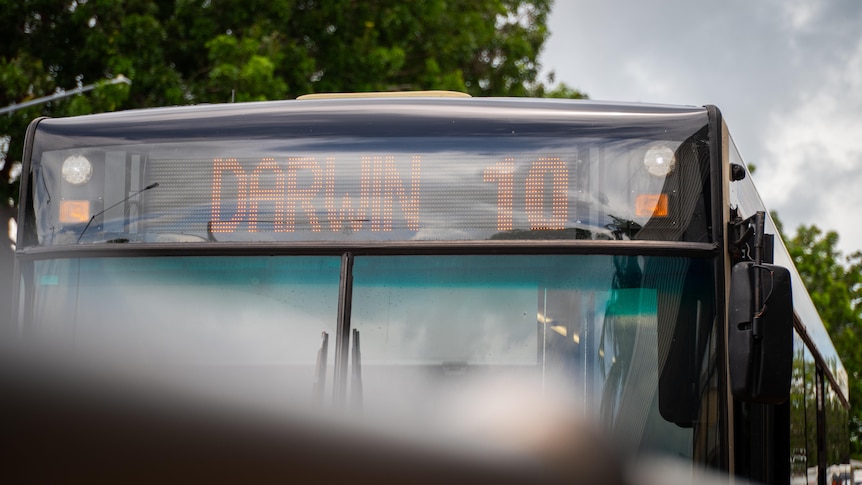

Starting in June, armed patrols by police public safety officers (PPSOs) will commence on Darwin’s bus network, following a four-month training period. This initiative has been prompted by rising concerns regarding antisocial behavior, which the Transport Workers Union (TWU) claims is the most severe in Australia.
The Northern Territory government has reported some success from previous measures aimed at reducing violence, while local police assert that the presence of firearms will enhance safety on public transport. For many residents like Lismyati, who does not drive, utilizing the bus system after dark is a daunting prospect. She expresses her concerns about safety, stating, “It’s too dangerous.” As she relies on public transit and family assistance for transportation, this issue significantly impacts her daily life.
In light of increased public transport usage amid ongoing global conflicts, Darwin’s bus system is facing its own challenges. In December, the NT government enacted a series of changes, including the closure of major bus terminals, modifications to routes, and heightened security measures to curb antisocial behavior. Prior to these actions, the government made bus rides free to diminish confrontations among passengers.
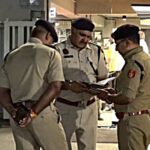
Assistant NT Police Commissioner Brendan Muldoon has indicated that the introduction of armed officers is intended to foster “safer public spaces.” The first cohort of 24 PPSOs is set to begin their patrols in June after completing their training. Muldoon clarified that these officers, who will be armed, undergo similar training to regular police officers, covering defensive tactics and firearms handling.
Currently, transit officers possess pepper spray and the authority to arrest or remove individuals, but the addition of firearms is believed to enhance their ability to manage incidents of antisocial behavior, particularly those related to alcohol misuse. However, community justice groups have raised concerns that this approach might lead to increased tensions.
Independent MLA Yingiya Guyula has voiced apprehension on social media about the potential targeting of Indigenous individuals, urging caution for those who must travel to Darwin from remote areas. He highlighted the growing issues of racism and the implications of introducing more weapons into public spaces.
According to Barry Norton, a TWU organizer in the NT, the government’s actions are welcome but long overdue, as antisocial behavior has plagued the transport system for years. He noted, “It is the worst in the country,” and recounted a recent 24-hour bus driver strike that was called to demand better pay and working conditions due to the alarming levels of violence and disorder on buses. Although the closure of the Casuarina bus interchange has improved the situation in some respects, he warned that issues of antisocial behavior on the buses remain unchanged.
Local resident Roger McHugh expressed mixed feelings about the changes, stating that while he uses the free bus service regularly, the lack of shelter at certain stops has made waiting uncomfortable, especially in inclement weather. He also recounted a recent stabbing incident at the former Casuarina interchange, which raises doubts about the effectiveness of the government’s measures.
The NT government, however, claims that the closure of the interchange has led to a significant reduction in incidents requiring intervention from the Transit Safety Unit (TSU), with a reported 65 percent decrease in such occurrences after the changes were implemented.
Passenger Heath Baxter is skeptical about the efficacy of arming transit officers, contending that there are more effective strategies to ensure safety without resorting to firearms. He described the decision as extreme and suggested that alternative measures should be explored.
While there are armed transit patrols in Victoria, there have been calls to reconsider this approach amid criticisms of inadequate training and overreach by officers. Minister for Logistics and Infrastructure Bill Yan did not provide a direct answer regarding the effectiveness of the NT government’s strategies and acknowledged that there is no clear evidence from other regions indicating that arming transit officers correlates with reduced crime rates on public transport. He emphasized the importance of a visible police presence in mitigating antisocial behavior.
Recently, a violent altercation involving numerous students occurred at the Palmerston bus interchange, a location identified by the government as needing further attention in their efforts to enhance safety across the transit network.