
Bafta has issued a full apology regarding the incident involving John Davidson’s involuntary Tourette’s outburst during this year’s awards ceremony, following an independent investigation that revealed significant shortcomings in the organization’s planning and crisis management protocols.
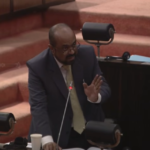
Davidson, who served as an executive producer on the Bafta-winning film “I Swear,” became the focus of extensive media attention after he unexpectedly shouted a racial slur while actors Michael B. Jordan and Delroy Lindo were on stage.
On Friday, a review initiated by the Bafta board uncovered “a number of structural weaknesses” in the organization’s planning, escalation protocols, and crisis response strategies. The review highlighted that Bafta failed to fully comprehend the risks associated with live broadcasts, did not adequately escalate early warning signals, and lacked a clear command structure to effectively manage the situation once it arose.
Nonetheless, the review concluded that there was no evidence of “malicious intent” from those responsible for the event’s execution.
The Bafta board expressed its complete acceptance of the review’s findings and issued a heartfelt apology to the Black community, acknowledging that the racist language used in the incident is deeply painful and traumatic. They also apologized to the disability community, including individuals with Tourette syndrome, for the unfair judgments and stigma that arose from the incident, as well as to all attendees and viewers who expected a celebratory event.
These findings were released shortly after the BBC determined that its broadcast of the slur, despite a two-hour delay, violated the network’s editorial standards. The BBC’s executive complaints unit deemed the airing of the racial slur as “highly offensive” and lacking any editorial justification.
The complaints unit noted that this breach was “unintentional,” although it remains unclear why the ceremony continued to be available for streaming on BBC iPlayer for 15 hours post-event.
The Bafta board confirmed that it had reached out to those directly impacted by the incident to extend its apologies. While the review emphasized that the incident was not a result of intentional wrongdoing, it also recognized that Bafta’s planning and procedures had not evolved to meet its diversity and inclusion objectives.
The board remarked, “We did not sufficiently prepare for the implications of such an incident occurring in a live setting, and as a result, we fell short in our duty of care to everyone present at the ceremony and those watching from home.”
In response to the review, Bafta has already begun implementing improvements in the identified areas to mitigate the risk of future occurrences. This includes enhancing the escalation process and information-sharing protocols surrounding Bafta awards ceremonies, strengthening planning for accessibility and support at events, and addressing any internal cultural issues that might hinder Bafta’s commitment to diversity, equity, and inclusion.
In the aftermath of the incident, Davidson expressed his deep regret if anyone perceived his tics as deliberate. He reached out to the actors involved to personally apologize and noted that Bafta and the BBC “should have been aware of what to expect” from Tourette syndrome, having been informed that any offensive language would be omitted from the broadcast.