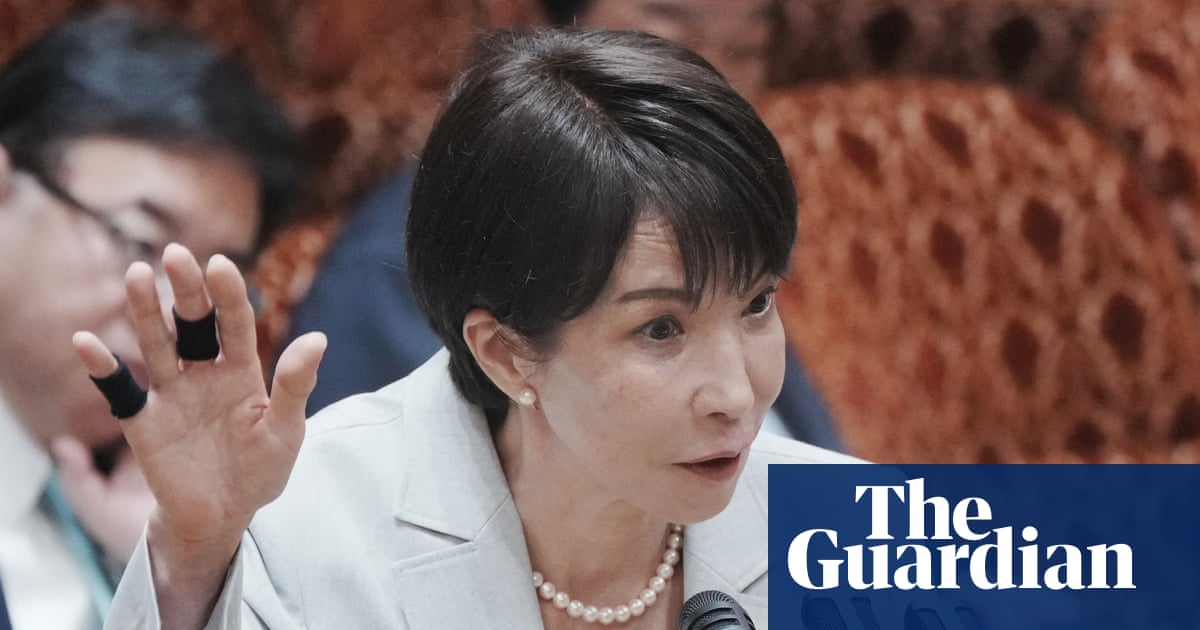

In response to rising concerns about energy shortages stemming from the ongoing crisis in the Middle East, Japan plans to release additional oil reserves early next month, as announced by Prime Minister Sanae Takaichi on Friday.
This forthcoming release marks the second occasion that Japan has tapped into its strategic oil reserves since the onset of the US-Israel conflict with Iran in February. Last month, Takaichi sanctioned the release of a substantial amount of oil equivalent to 50 days’ supply, representing the largest release in the country’s history, aimed at mitigating potential price increases.
“To ensure a stable supply of crude oil, we will initiate a release of approximately 20 days’ worth of reserves starting in early May,” Takaichi stated during a ministerial meeting focused on the ongoing conflict.
Japan currently maintains oil reserves sufficient for 230 days, yet it relies on the Middle East for 95% of its crude oil imports, most of which pass through the strategically important Strait of Hormuz.
The majority of Japan’s reserves—amounting to 143 days’ worth—are owned by the state, with the remainder held by private entities and oil-producing nations in the Gulf region.
Amid uncertainties surrounding the full reopening of the Strait of Hormuz following a two-week conditional ceasefire recently announced by Donald Trump, Japan is also exploring alternative oil supply routes. Takaichi indicated that by May, over half of the nation’s oil imports could potentially originate from sources outside of the strait, although specifics were not disclosed.
The Ministry of Industry has identified possible new import locations, including Yanbu on Saudi Arabia’s Red Sea coast and the Port of Fujairah in the United Arab Emirates. Furthermore, Japan has reached out to suppliers in the United States, Malaysia, and various countries across Central Asia, Latin America, and Africa.
The government has urged domestic suppliers to prioritize the distribution of stored fuel to critical sectors such as healthcare, transportation, and agriculture, as noted by Takaichi.
This decision to tap into oil reserves for a second time comes amid increasing pressure on the Japanese government to avoid succumbing to US demands for military involvement in the ongoing conflict.
On Wednesday, over 100 demonstrations took place nationwide, with protesters calling on Takaichi, known for her conservative stance, to uphold Japan’s postwar constitution, which prohibits the use of military force in international disputes.
Approximately 30,000 demonstrators gathered outside the National Diet building, many waving light sticks and displaying banners in support of Article 9 of the constitution, which renounces war.
Concerns have escalated that Takaichi may leverage her party’s significant majority in the lower house to advocate for constitutional amendments since the war commenced. Last month, she declined Trump’s request to deploy Japanese Maritime Self-Defense Forces to the Strait of Hormuz, expressing that any military action could contravene constitutional provisions.
Trump has since criticized Japan and South Korea, another ally in Northeast Asia, for their lack of participation in the conflict. During a press conference on Monday, he expressed frustration towards Japan, saying, “You know who else didn’t help us? Japan. We’ve got 50,000 soldiers in Japan to protect them from North Korea.”
Setsuko Sasaki, a first-time protester in Tokyo, shared her motivation for attending the demonstration: “It is always ordinary civilians who suffer in wars, so I decided to come here to make my voice heard. I knew I would regret it if I did nothing.”
Reports contributed by various agencies.