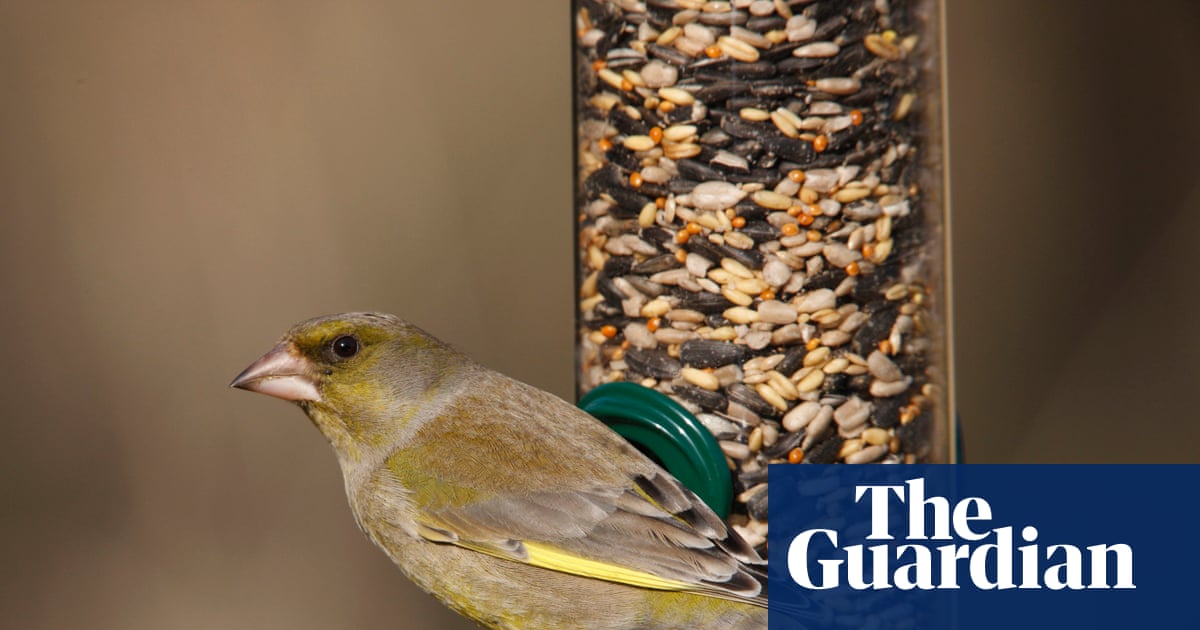

The Royal Society for the Protection of Birds (RSPB) has issued a recommendation against feeding seeds and nuts to garden birds during the summer months to help mitigate the spread of avian diseases. Bird enthusiasts are encouraged to remove their feeders from May to October, particularly to protect species like the greenfinch, which has experienced a drastic decline in population due to trichomonosis—a parasitic infection that spreads more easily when birds gather around feeders in warmer weather.
In its latest guidance, the RSPB advocates for “safe and seasonal feeding,” suggesting that individuals replace their seed and peanut feeders with alternative protein sources such as mealworms, fat balls, or suet during this period. These options are less likely to attract large groups of finches and provide essential nutrition for birds raising their young.
This advisory follows findings from the recent Big Garden Birdwatch, the largest garden bird survey globally, which involved 650,000 participants. The greenfinch ranked 18th overall in this year’s survey. Once abundant, this species is now considered critically endangered on the British red list, with a staggering 67% reduction in its average numbers since the survey began in 1979.
Recent estimates indicate that around 6 million greenfinches and chaffinches have succumbed to trichomonosis in recent years. Beccy Speight, the RSPB’s chief executive, emphasized the importance of bird feeding while highlighting the need for responsible practices. “While many of us cherish feeding birds, research indicates that disease transmission is a concern at feeders,” she noted. “We’re not suggesting you stop feeding; rather, we encourage practices that support the long-term health of bird populations. By making minor adjustments, we can ensure that feeding birds remains beneficial for nature.”
One study suggests that the food provided by the British public could support around 196 million garden birds, which is nearly half of the wild bird population in the UK. However, another study has pointed out that bird feeding may alter the local phosphorus cycle, potentially enriching the soil in a way that benefits certain plants over others, thereby affecting biodiversity.
Trichomonosis is particularly harmful to finch species and can be transmitted through saliva and other fluids at feeders. The warmer months allow the parasite to survive longer, increasing the risk of transmission. The RSPB advises that while bird feeding with seeds is acceptable during the winter, it’s best to discontinue the use of flat feeders and tables, as research suggests these surfaces pose a higher risk for disease spread due to food accumulation. They recommend cleaning feeders weekly and changing water daily when provided.
Additionally, the RSPB encourages planting bird-friendly gardens with species such as sunflowers, teasels, and ivy, which not only provide seasonal food sources but also attract insects crucial for feeding young birds.
In this year’s Big Garden Birdwatch, the house sparrow retained its position as the most commonly observed bird, followed by the blue tit. The starling showed signs of recovery, moving up to third place, while the wood pigeon and blackbird rounded out the top five.
Here are some statistics from the survey:
- House sparrow: Average of 3.57 per garden; seen in 57.1% of gardens; population decline of 64.3% since 1979.
- Blue tit: 3.12 per garden; present in 78.5% of gardens; population increase of 28% since 1979.
- Starling: 2.23 per garden; observed in 31.4% of gardens; population decline of 85.1% since 1979.
- Wood pigeon: 2.21 per garden; seen in 75.2% of gardens; population increase of 1,003% since 1979.
- Blackbird: 1.68 per garden; present in 71.7% of gardens; population decline of 58.1% since 1979.
- Great tit: 1.58 per garden; seen in 56.1% of gardens; population increase of 75.2% since 1979.
- Robin: 1.50 per garden; present in 83.1% of gardens; population decline of 25.2% since 1979.
- Goldfinch: 1.38 per garden; observed in 27% of gardens; no long-term trend data available.
- Magpie: 1.32 per garden; present in 58% of gardens; population increase of 228.8% since 1979.
- Long-tailed tit: 1.19 per garden; seen in 26.2% of gardens; no long-term trend data available.