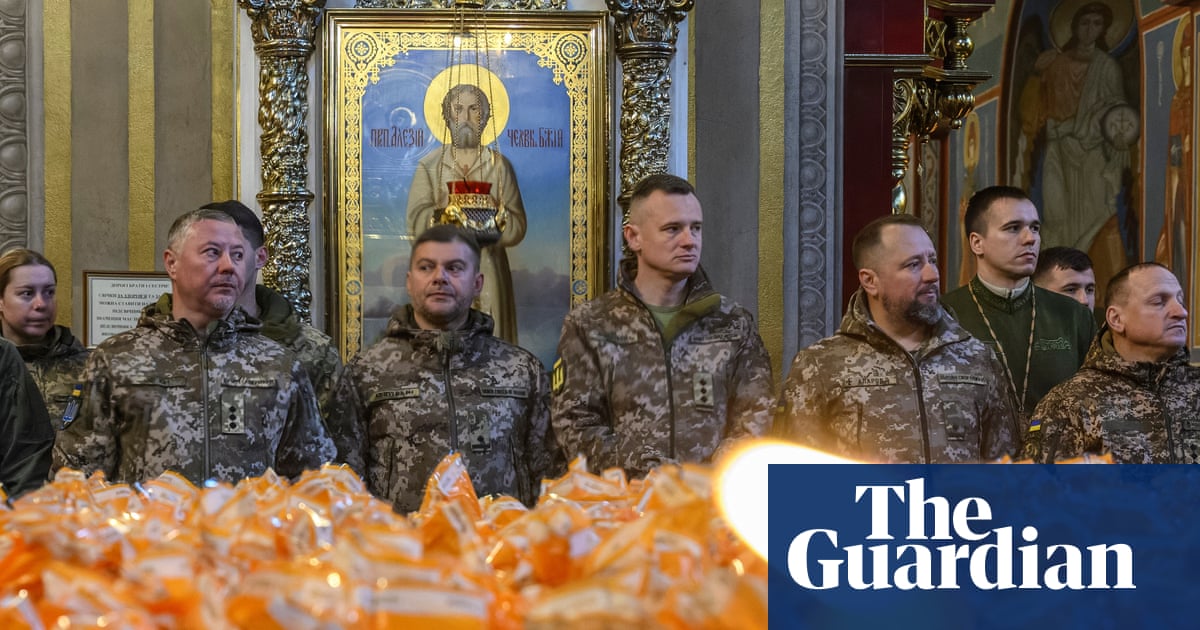

Ukraine and Russia seem to be on the verge of establishing their first formal nationwide ceasefire since the onset of the large-scale invasion in February 2022. This development follows Russian President Vladimir Putin’s agreement to Ukrainian President Volodymyr Zelenskyy’s proposal for a ceasefire to coincide with Orthodox Easter, which is celebrated this weekend. The ceasefire is set to last for 32 hours, beginning Saturday afternoon.
Zelenskyy expressed Ukraine’s willingness for reciprocal actions early Friday, stating, “We have consistently indicated our readiness for mutual steps. We suggested a ceasefire for this Easter and will proceed accordingly… People deserve an Easter free from threats and a genuine move towards peace; Russia has the opportunity to refrain from resuming attacks even after Easter.”
The Kremlin attempted to frame the ceasefire initiative as its own, with a statement asserting, “We expect the Ukrainian side to follow the lead of the Russian Federation. Orders have been issued for a cessation of hostilities across all fronts during this period.” However, the Kremlin also left room for potential military operations, indicating that “Troops are to be prepared to respond to any potential provocations by the enemy, as well as any hostile actions.”
In the context of the ongoing conflict, previous efforts at ceasefires were largely unofficial, poorly defined, and inconsistently observed. These included temporary breaks to facilitate surrenders, prisoner exchanges, the retrieval of deceased individuals, or the evacuation of civilians from conflict zones. A limited “energy truce” was announced in March 2025, aiming to halt attacks on oil, gas, and electrical infrastructure, along with maritime targets. Moscow has previously dismissed multiple ceasefire proposals from Ukraine while attempting to declare unilateral ceasefires, mainly for events such as the 80th anniversary of the Soviet victory in World War II.
Amidst the backdrop of the Trump administration’s extensive but ultimately fruitless overtures to Putin over the past year, the Easter truce appears to have emerged with minimal involvement from the United States. The U.S. president and his advisors have been preoccupied with the situation in Iran and their own fragile ceasefire. Zelenskyy noted in recent days that he had communicated his ceasefire suggestions to Russia through U.S. channels. According to Reuters, sources indicated that Putin’s special envoy, Kirill Dmitriev, was in the U.S. as of Thursday. Putin might be seeking a temporary relief as Ukrainian strikes significantly impact Russia’s oil export sector, which is crucial for war funding, while Ukraine continues to grapple with the repercussions of Russian attacks on its civilian energy infrastructure.
On a related note, Russia’s Federal Security Service (FSB) reported on Thursday the detention of a former freelancer for Radio Free Europe in Chita, citing charges of treason for alleged collaboration with Ukraine. The FSB did not disclose the individual’s identity. Additionally, the independent newspaper Novaya Gazeta reported that masked security agents conducted a search of its offices in Moscow, preventing lawyers from entering. State news agency RIA stated that this search was part of an investigation concerning the illegal use of personal data.
In response to potential threats from Russian submarines in the High North maritime region, which houses vital shipping routes and undersea infrastructure, Britain and its allies, including Norway, deployed warships to safeguard against attacks on undersea cables and pipelines. UK Defense Minister John Healey accused Russia of engaging in covert operations in the area.
Healey addressed President Putin directly, stating, “We are aware of your activities concerning our cables and pipelines. Be advised that any attempt to damage them will not be tolerated and will result in serious consequences.” In response, Russia’s embassy in London dismissed Healey’s remarks as “impossible to either believe or verify,” asserting that Russia does not pose a threat to critical undersea infrastructure essential to the UK and does not engage in aggressive rhetoric regarding these issues.