
The Victorian Electoral Commission (VEC) is set to implement the largest trial of low-sensory voting in Australia during the upcoming State Election. This initiative will feature specialized low-sensory voting centers in all 88 Lower House districts, designed to cater to neurodivergent individuals.
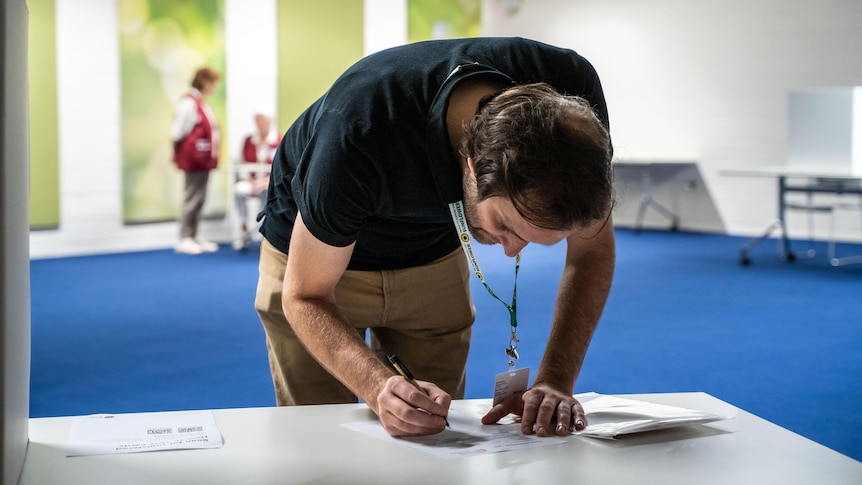
These dedicated venues will focus on minimizing sensory overload, featuring reduced noise levels, moderated lighting, calming visuals, and limited crowd sizes. The VEC is currently identifying appropriate locations that can provide a more comfortable voting experience for those who may find traditional polling places overwhelming.
In November, neurodivergent voters in Victoria will have the opportunity to use these low-sensory voting centers to cast their ballots. The VEC aims to ensure that all electorates are equipped with venues that promote a quieter atmosphere, with controlled temperatures, spacious voting booths, and the use of natural light instead of harsh overhead lighting.
This initiative seeks to eliminate barriers that can make in-person voting challenging for some individuals, particularly concerning interactions with political campaigners. With this widespread implementation, the November election will stand as Australia’s largest endeavor to facilitate low-sensory voting.
The concept of low-sensory voting was first trialed in Victoria during the Warrandyte by-election in 2023, where low-sensory hours were introduced for early voting. The feedback received was predominantly positive; however, the trial highlighted certain issues, including the presence of campaigners outside voting centers and confusion regarding eligibility for the low-sensory hours.
Subsequent trials of low-sensory voting occurred during the Prahran and Werribee by-elections, aimed at further refining the process. The accessibility of voting centers was recently examined by the Victorian Electoral Matters Committee, during which the VEC emphasized the benefits of low-sensory environments for voters with conditions such as autism, ADHD, and PTSD. Additionally, these centers will also support caregivers of children needing less stimulating environments.
The low-sensory voting trial will make another appearance at the Nepean by-election on April 21, operating from 10 AM to 4 PM in a setting designed to minimize noise and distractions typical of regular voting locations.
As part of the preparation, the VEC is selecting locations that will be separate from conventional early voting and election day centers. Acting Electoral Commissioner Dana Fleming noted that neurodivergent voters expressed a preference for familiar and safe environments, leading to the choice of distinct sites in collaboration with community groups.
Each electoral district will host one low-sensory voting location during this trial. The low-sensory voting option will be accessible on Tuesday, November 17, from 10 AM to 4 PM, prior to the commencement of early voting the following day. Additionally, family and friends accompanying individuals who may experience sensory overload will also be permitted to vote at these specialized venues.
In terms of campaigning, the VEC plans to appoint a dedicated election official to oversee campaigner conduct and signage. A six-meter exclusion zone will be established around the voting sites to help minimize sensory disruptions for voters. Ms. Fleming stated that while campaigners will be allowed near the center, they will be instructed not to approach voters directly but rather to wait for voters to seek their assistance.
Moreover, the VEC will provide a detailed access guide for each low-sensory voting center to ensure a smooth voting experience for all participants.