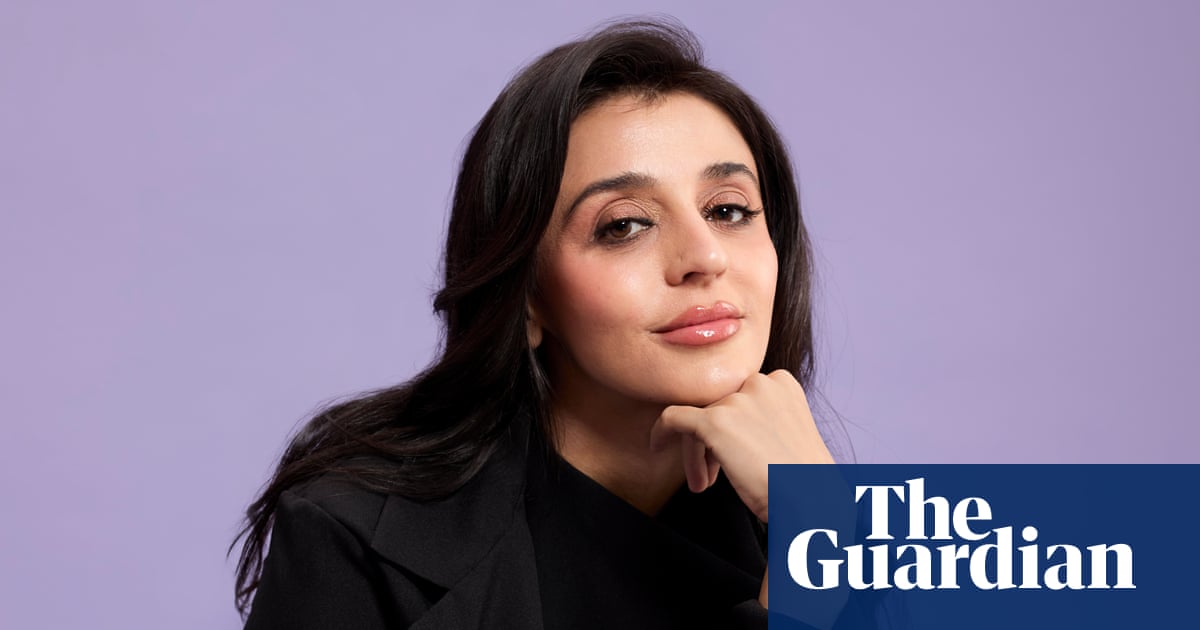

Tareena Shakil, now 36, presents herself as a vibrant and fashionable individual, with no outward signs of her tumultuous past as a convicted terrorist. She is recognized as the first British woman to be sentenced for joining the Islamic State. During our encounter at an upscale hotel in Birmingham, Shakil showcases a stylish appearance, accentuated by her meticulously applied makeup and flowing hair. Clad in a fitted dress complemented by a broad leather belt and a designer handbag, she exudes a cheerful and approachable personality, defying the typical assumptions associated with a terrorism conviction.
Shakil is actively working to establish herself as an influencer, gaining popularity primarily on TikTok, where her follower count has reached approximately 50,000. She shares relationship tips through engaging videos, often filmed from her car. Her content blends humor with dating advice, touching on topics like the dynamics of male pursuit and the psychological implications of being blocked by a partner. Some of her posts, however, allude to more serious themes, such as domestic abuse, where she emphasizes the importance of leaving an abusive relationship regardless of promises made by the abuser. Although she seldom references her own past directly, she acknowledges that her life experiences inform much of her content.
This pivot to content creation is a stark contrast to her earlier life, which gained media attention when she fled to Syria with her infant son in 2014. Shakil was among an estimated 900 individuals from the UK, including around 150 women, who traveled to join the Islamic State during its five-year reign in the region. Often labeled as “jihadi brides,” these women were frequently scrutinized in the media, with Shakil receiving the tabloid moniker “the Towie jihadi,” reflecting her parents’ description of her as a typical girl who enjoyed the reality TV show “The Only Way is Essex.” Recognizing her grave mistake, Shakil escaped Syria after a brief period of less than three months, a time that would significantly shape her future.
The stories of those who ventured to Syria from Europe are often met with harsh condemnation, leaving little room for understanding their motivations. Shakil’s narrative prompts deeper inquiries about the allure of groups like the Islamic State and the challenges of returning to normalcy after such a notorious history. Over the past decade, she has navigated the complexities of prison, efforts toward deradicalization, and reconnecting with her son, culminating in her current endeavor to reinvent herself online. “People are surprised by the life I lead now,” she notes. “But I believe in second chances. After facing death so many times, I’ve developed a profound appreciation for life.”
In her childhood, Shakil grew up in Burton upon Trent, Staffordshire, where her life was marked by instability. Her father, with over 25 convictions, including drug-related offenses and assault, frequently cycled in and out of prison. Although she maintains a close bond with her family, she describes her upbringing as turbulent, having been “raised around violent relationships.” While she acknowledges that her parents did their best, the chaos of her environment contributed to her naivety regarding danger. “I lack a sense of fear,” she admits, reflecting on her experiences visiting her father in prison and vowing to create a different life for herself. As a student, she excelled academically and pursued a degree in psychology, but at 20, she became deeply involved in a relationship that led her to abandon her studies just a year later. “I was searching for my happy ending,” she confesses. “I had placed too much hope in the idea that my partner would save me.” Unfortunately, the relationship proved to be fraught with turbulence, isolating her from friends and family.
Shakil, who is of mixed heritage—her father being Pakistani and her mother white British—did not grow up in a particularly religious environment. After her marriage, her husband encouraged her to adopt a headscarf, which she complied with willingly. However, as her marriage became increasingly unstable, she turned to faith for solace, finding comfort in prayer as her personal circumstances worsened. The ups and downs of her relationship led her to periods of living with her parents and even a stint in a homeless shelter, during which she grappled with feelings of displacement and confusion.
In July 2014, when her husband left the UK for a month, Shakil found herself feeling lost and alone. Seeking connection, she reactivated her Facebook account and began conversing with a young man who was involved in the conflict in Syria. This was shortly after Abu Bakr al-Baghdadi had proclaimed the establishment of the Islamic State and called upon Muslims to join the caliphate. The young man conveyed to her that it was her religious duty to live under sharia law, warning her that failing to do so could lead to dire consequences. Lacking a strong religious foundation, Shakil accepted his interpretations without question, which ultimately led her down a path she would later regret.