
The Heritage Council has recently included 18 structures, constructed after World War II, to the state heritage register, marking a significant shift in heritage preservation priorities.
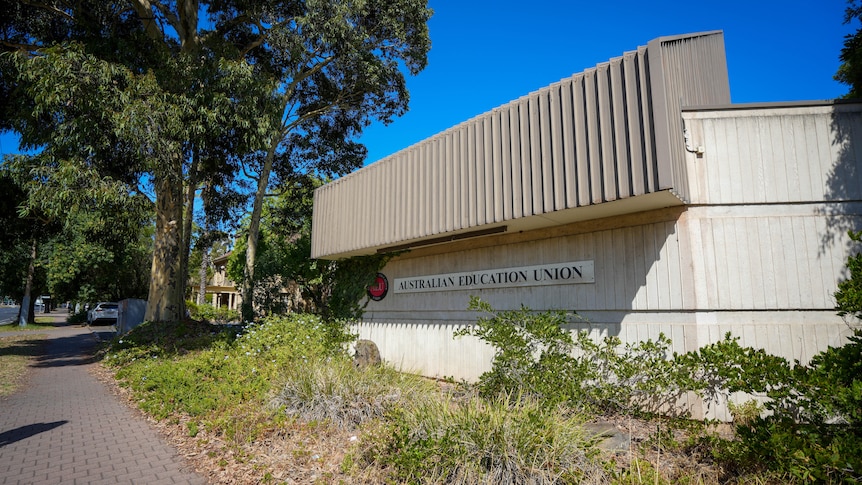
Among these structures is the Australian Education Union office located in Adelaide, which has faced opposition from its owner regarding its heritage protection status.
A current survey is being conducted to identify additional buildings worthy of preservation, aimed at safeguarding South Australia’s historical narrative.
In a departure from traditional architectural styles such as grand cathedrals or classical columns, the state’s heritage list is now incorporating more contemporary buildings. This shift has led to the protection of these modern structures from potential demolition, despite resistance from many property owners.
While not all of these buildings may be seen as aesthetically pleasing, experts assert that they hold significant value due to their architectural characteristics and their contributions to the state’s historical context.
Since 2021, the South Australian Heritage Council has designated 18 post-World War II buildings, primarily churches, as deserving of the highest level of heritage protection. This list also includes residential homes, a factory, and a tribute to a notable inventor.
One recent addition to the heritage list is the Elizabeth Grove Uniting Church, which opened its doors in 1956 as part of a development initiative by the South Australian Housing Trust, aimed at establishing a stable community in the new industrial town situated north of Adelaide. The church has historically welcomed new migrants, particularly from Britain, and continues to serve a similar purpose for the local African community.
Pastor Gerson Baziruwiha of the International Pentecostal Prophetical Church praised the Uniting Church congregation for their generosity in sharing their space. “They received us with open arms,” he remarked.
Sandy Verschoor, the chair of the Heritage Council, noted that the recently recognized churches in Elizabeth and other multicultural neighborhoods in Adelaide have played a pivotal role in uniting communities in the post-war era. “These structures served as vital community hubs during the development of these areas,” she stated.
Verschoor emphasized that heritage encompasses more than just historical buildings; it encapsulates the narrative of a location. She highlighted the need to safeguard modern structures, recognizing that a significant portion of the existing heritage list comprises buildings from the 19th century.
The former lord mayor of Adelaide expressed her belief that contemporary architecture is equally important, even if not universally deemed attractive. “Beauty is subjective,” she asserted. “Many buildings, particularly those representing brutalist architecture, may not be widely appreciated, but I find them remarkable.”
The Australian Education Union’s office building, characterized by its brutalist design and constructed in 1970, was provisionally added to the state heritage list last year, with that status recently extended until August. The union plans to replace it with a new office and apartment complex, claiming the project would better serve its members.
Modern architecture supporter, Stuart Symons, described the building as a vital example of a design approach that embraces the artistic potential of raw concrete. “The value of a building is not determined by its age,” he stated. “Structures from the mid-20th century are especially at risk of being demolished or poorly altered due to short-sighted development practices that fail to recognize their historical significance.”
Among the 17 objections against confirming the heritage listing, many echoed similar sentiments, asserting that the union’s legacy is reflected in its achievements rather than its physical location. One objection noted, “The building has outlived its purpose, and continued maintenance represents poor fiscal management. It has become a burden, not a symbol.”
Concerns were raised that if the heritage listing proceeds, the union may be compelled to vacate the building, which would diminish its historical relevance.
Other modern structures under consideration for permanent heritage listing, despite owner opposition, include a residence in Torrens Park and two grain handling facilities in Gladstone and Brinkworth, located in the Mid North region of South Australia.
A legal representative for Bunge, the owner of the grain complexes, argued that significant alterations have occurred since their inception in the 1950s, and thus they no longer represent any historical value. “Confirming their heritage listing would be an irrational decision,” the letter stated, likening it to listing other infrastructural elements of state importance.
Conversely, some property owners support the inclusion of their buildings on the heritage list. Graham Dickson submitted a nomination for his home in Rostrevor shortly before his passing in 2024. Designed by his brother, esteemed architect Robert Dickson, who also has his residence listed, the house has since been purchased by Jess and Dan Fitzgerald, who now offer it as short-term accommodation.
Ms. Fitzgerald expressed that the architectural style of the house, categorized as “Late Twentieth Century Adelaide Regional,” resonates particularly with architectural students and those nostalgic for their childhoods in the 1970s. “Visitors come specifically to see the house; having only hosted one family throughout its history, it feels like we are sharing a piece of living history,” she remarked.
Ms. Verschoor reiterated the importance of recognizing modern structures in the heritage conversation, indicating a growing awareness of their historical significance.