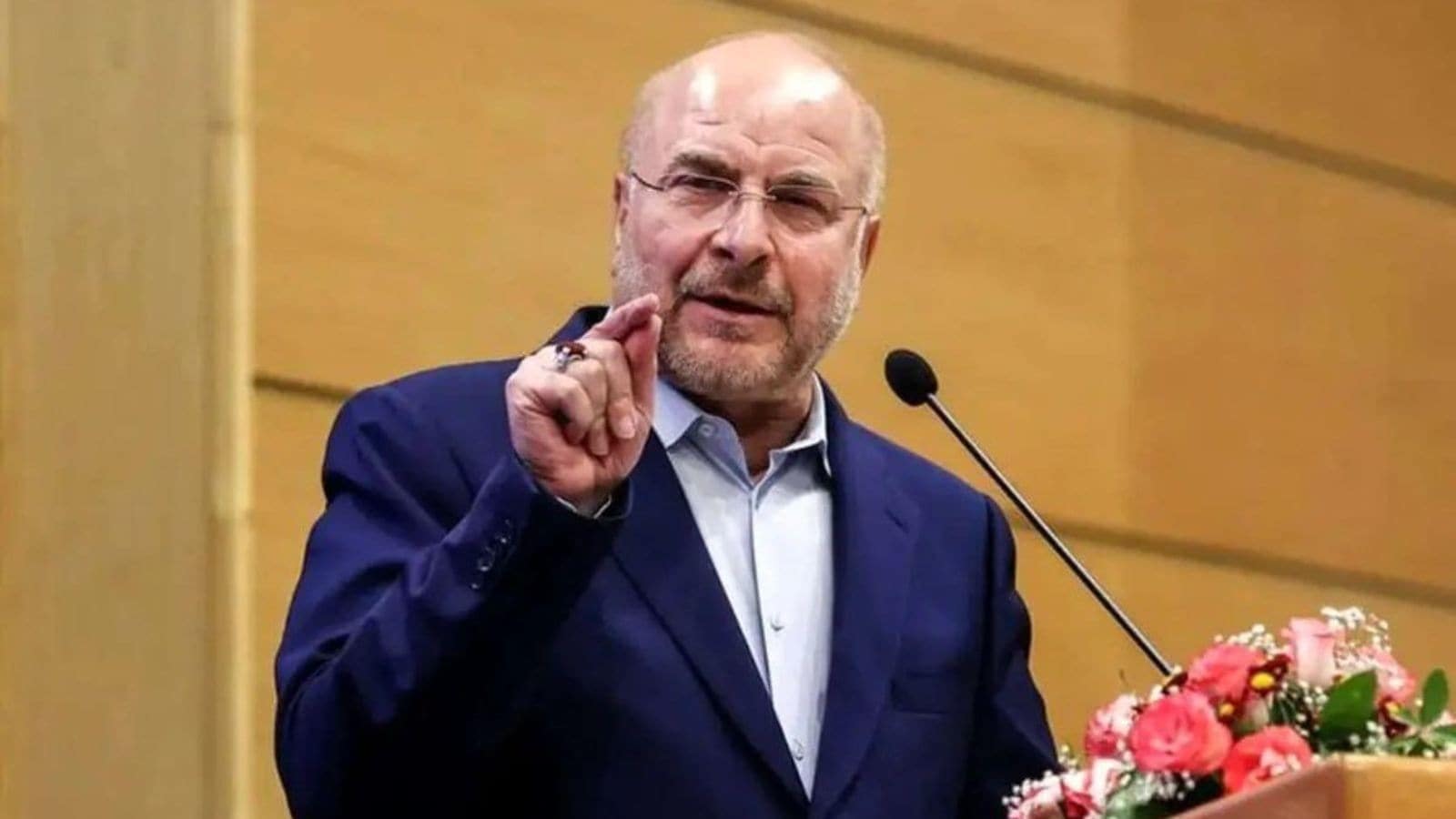

As Pakistan gears up to facilitate ceasefire discussions between the United States and Iran on Saturday, Iran’s Parliament Speaker has cast last-minute skepticism on the negotiations via a post on X.
Mohammad Bager Qalibaf expressed concerns, stating that “two measures mutually agreed upon between the parties have yet to be implemented.” He emphasized that a ceasefire in Lebanon and the release of Iran’s frozen assets remain unmet prerequisites for the talks to proceed.
In his statement, Qalibaf insisted that these two conditions must be addressed before the scheduled negotiations can commence, reiterating the necessity of their fulfillment.
The White House has yet to respond to his assertions; however, Vice President JD Vance remarked that if Iran is perceived as “playing,” the US negotiating team would not be willing to accept its demands later.
The ceasefire negotiations are set to take place in Islamabad on April 11, according to a report by Reuters. US Vice President JD Vance, part of the American delegation, has already departed for Pakistan.
In the lead-up to the discussions, Islamabad has heightened security measures, establishing barricades in various areas of the city and designating certain locations as “red zones.” The Pakistani government has also introduced a visa-on-arrival policy for delegates and journalists attending the diplomatic event, which it has labeled the “Islamabad Talks 2026.”
Earlier this week, US President Donald Trump announced a two-week ceasefire following a prolonged six-week conflict. He declared the ceasefire mere hours before the deadline he had imposed on Iran, after previously threatening to devastate Iranian civilization if Tehran failed to comply.
In the wake of this announcement, US and Israeli military actions against Iran were halted. However, Israeli operations in Lebanon persisted, as they were not included in the ceasefire agreement.
The six-week conflict commenced on February 28, following a joint US-Israel assault on Iran. In retaliation, Iran executed strikes targeting US and Israeli military installations throughout the Middle East, which also resulted in the disruption and closure of the vital Strait of Hormuz shipping route.
The Express Global Desk at The Indian Express provides reliable, verified, and comprehensive coverage of significant international events that shape global politics and migration trends. The desk prioritizes stories that resonate with both Indian and international audiences, merging timely news with thorough analysis.
A primary focus of the desk is US immigration and visa policy, encompassing updates on student visas, work permits, pathways to permanent residency, executive actions, and judicial rulings. Additionally, the Global Desk closely monitors Canada’s immigration and visa policies, including changes to study permits, post-study work options, and other regulatory updates impacting migrants and international students.
All reporting from the Global Desk adheres to The Indian Express’ editorial principles, relying on official sources, government releases, court documents, and verified accounts. The desk is committed to clarity, accuracy, and accountability, ensuring that readers can confidently navigate complex global systems.
The Express Global Desk is composed of a team of seasoned journalists and editors who specialize in international affairs and migration policy:
Aniruddha Dhar serves as the Senior Assistant Editor, bringing extensive experience in global affairs and editorial leadership.
Nischai Vats, the Deputy Copy Editor, specializes in US politics and immigration policy, providing policy-driven international coverage.
Mashkoora Khan, a Sub-editor, focuses on global developments with a strong emphasis on Canadian immigration and study-related policy coverage.
Stay informed on the latest updates by following us on Instagram.